Chicago Fire II Upset Crown Legacy in Thrilling 3-2 Match
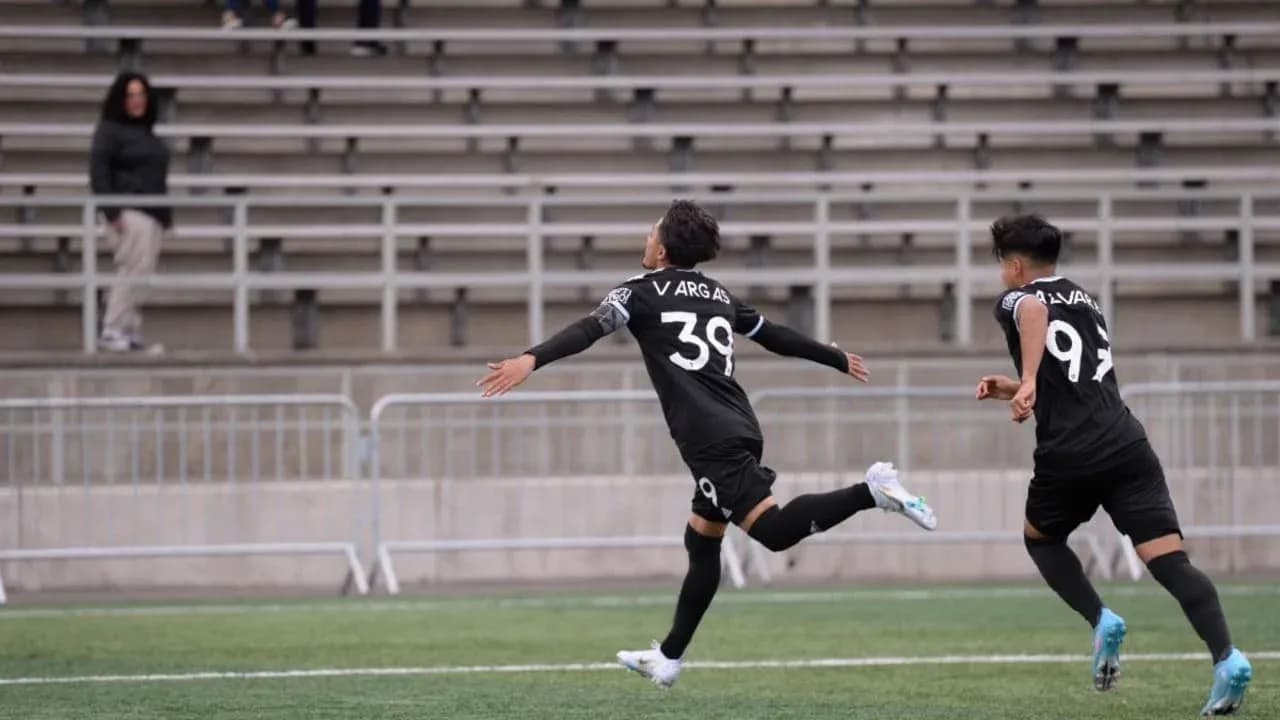
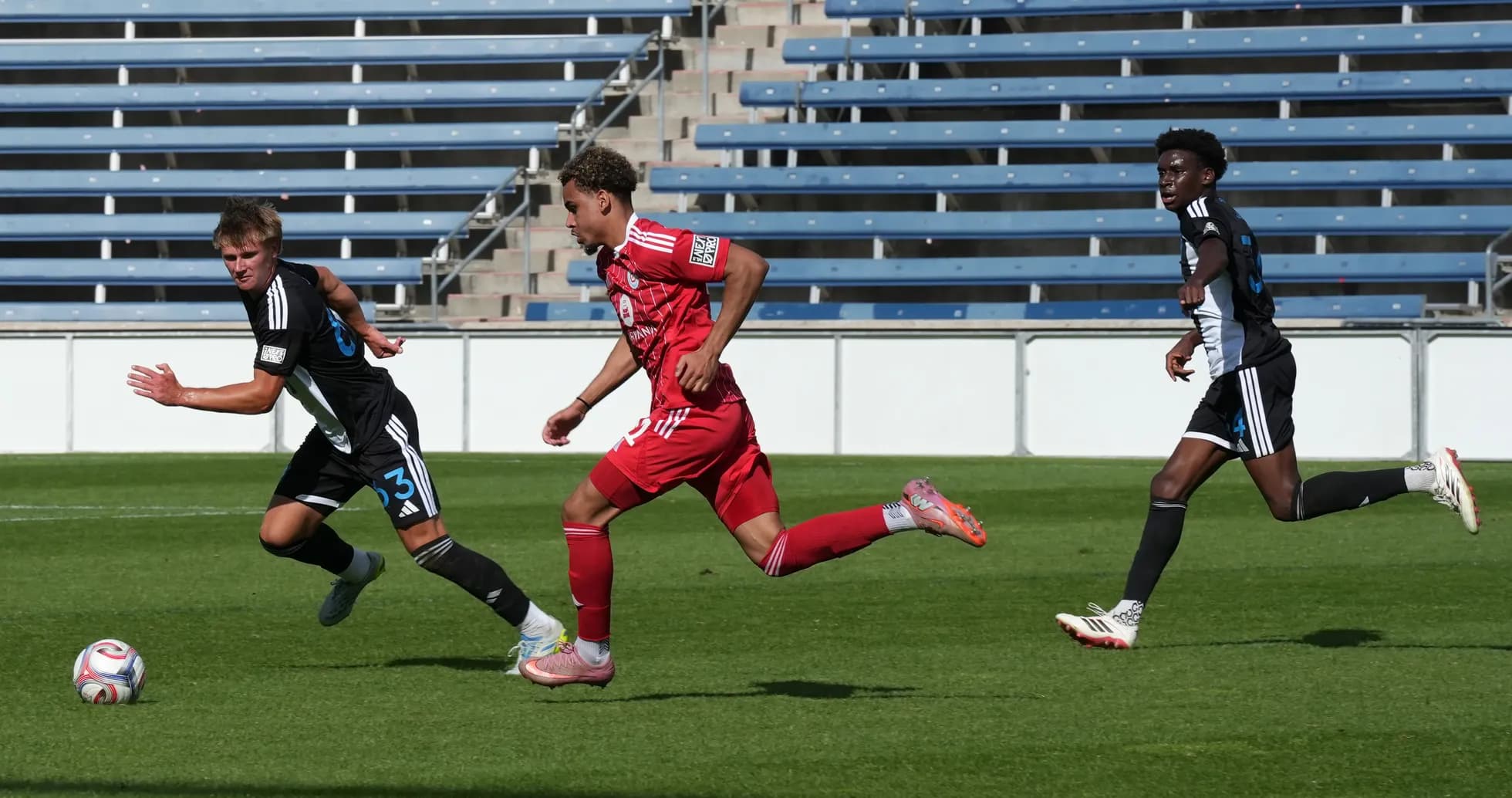
The lights at SeatGeek Stadium dimmed on a night that felt bigger than a standard MLS Next Pro group-stage date. Chicago Fire II, a side living on the thin line between promise and volatility, had just edged league leaders Crown Legacy 3-2, a result that reshapes the narrative for both squads heading deeper into the 2026 campaign.
I. The Big Picture – Profiles in Contrast
Following this result, the table tells an intriguing story. Chicago Fire II sit on 13 points from 9 matches in the Central Division, ranked 6th with a goal difference of -3 (10 goals for and 13 against overall in the standings snapshot). Their season has been streaky: five wins, no draws, four losses, and a form line of “WLLLW” heading into this game, now sharpened by a statement victory.
Crown Legacy, by contrast, remain the division’s benchmark. They lead the Central Division with 23 points from 10 games, an imposing goal difference of 16 built on 29 goals scored and 13 conceded overall. Their season has been defined by relentless attacking power: 8 wins, 0 draws, 2 defeats, and a form pattern of “LWLWW” before arriving in Chicago.
The underlying season statistics frame the tactical DNA of both sides. At home, Chicago Fire II average 1.6 goals for and 1.8 against, a profile of high-variance football where games are rarely controlled but often dramatic. On their travels, Crown Legacy have been thrilling and fragile in equal measure: they average 3.0 goals scored and 2.4 conceded away, a wide-open style that invites chaos.
This match – 3-2 to Chicago, after a 2-1 home lead at half-time – was almost the distilled essence of those numbers.
II. Tactical Voids and Discipline – Risk on the Edge
There were no listed absentees, so both coaches had near-full decks to play with. Yet the way they used their squads revealed where the tactical voids still lie.
Chicago Fire II’s starting XI, with J. Nemo, D. Nigg, C. Cupps, J. Sandmeyer and H. Berg among the defensive core, is not built to suffocate games. The season data confirms that: at home they have conceded 9 goals in 5 matches, and overall they allow 1.6 goals per match. This is a back line that lives with risk, relying on collective aggression rather than airtight structure.
In midfield and attack, the presence of D. Hyte, O. Pineda, C. Nagle, V. Glyut, D. Boltz and R. Turdean gives Fire II a youthful, vertical look. They are a side more comfortable in broken phases than in slow, positional control. The bench – with energetic options like O. Pratt, M. Napoe and E. Chavez – underlines a strategy of maintaining intensity rather than locking a game down.
Crown Legacy’s squad is cut from a similar attacking cloth, but with more refinement. L. Kalicanin anchors them from the back, with E. Curtis, W. Holt, A. Johnson and A. Kamdem forming a defensive line that, on their travels, has still shipped 12 goals in 5 games. In front of them, the likes of D. Longo, E. Pena and S. Tonidandel form the engine, while N. Richmond, H. Mbongue and N. Berchimas headline a front line that has powered 15 away goals.
Disciplinary patterns add another layer. Chicago Fire II’s yellow cards cluster between 46-60 minutes and 61-75 minutes, each window accounting for 26.67% of their cautions, with a further 20.00% between 76-90 minutes. They grow more combative as the game wears on, a sign of a team that defends increasingly on the edge once fatigue and game-state pressure mount.
Crown Legacy’s bookings are similarly concentrated in the heart of matches: 26.09% of their yellows arrive between 46-60 minutes and 21.74% between 76-90 minutes, with an additional 17.39% in the 16-30 window. They also carry the weight of a late red card profile: 100.00% of their reds this season have come in the 91-105 minute band. This is a side that pushes until the very end – and sometimes oversteps.
III. Key Matchups – Hunter vs Shield, Engine vs Engine
In a league without detailed individual scoring data here, the “Hunter vs Shield” battle is best read through collective profiles.
Chicago Fire II’s attack at home averages 1.6 goals, and this time they punched above that, scoring 3 against a Crown Legacy defense that, overall, has been solid but shows a split personality. At home, Crown Legacy concede just 0.4 goals on average; away, that balloons to 2.4. The shield travels poorly, and Chicago’s front line exploited exactly that away fragility.
R. Turdean and D. Boltz, supported by the movement of V. Glyut and the connective play of O. Pineda and C. Nagle, formed a constantly rotating attacking carousel. Against a back line used to dictating tempo, Chicago’s willingness to play fast and direct created a game state Crown Legacy’s away defense has struggled with all season.
In the “Engine Room” duel, the battle between Chicago’s central cluster – players like D. Hyte and O. Pineda – and Crown Legacy’s midfield trio of D. Longo, E. Pena and S. Tonidandel was decisive. Crown Legacy’s season-long control is evident in their attacking averages (3.1 goals per game overall, with no matches failed to score), but in Chicago they were dragged into transitions where their usual structure frayed.
IV. Statistical Prognosis – What This Result Tells Us
Following this result, Chicago Fire II look less like an erratic outsider and more like a dangerous playoff dark horse. Their overall goals for (13) and against (14) in the season stats produce a goal difference of -1, yet they have already delivered five wins in nine. They are a high-variance, puncher’s team: when their forwards are efficient, they can outscore even the division’s best.
Crown Legacy, despite the defeat, remain the league’s most explosive attack: 31 goals overall at an average of 3.1 per match, with a flawless penalty record (3 scored from 3, 100.00%). But their away defensive profile – 12 goals conceded on their travels at an average of 2.4 – is a clear structural weakness. In knockout-style scenarios, especially in the 1/8-finals environment hinted at by their promotion description, that imbalance could be costly.
In an Expected Goals lens, even without explicit xG data, the patterns are clear. A team that scores 3.1 goals per match and concedes 1.4 overall is likely to continue generating high xG, but away from home Crown Legacy’s defensive xG allowed will be rising dangerously. Chicago Fire II, with 1.4 goals for and 1.6 against overall, live in the margins where finishing variance and set-piece moments decide outcomes.
The tactical preview for any future meeting between these sides is simple yet compelling: if Chicago can again turn SeatGeek Stadium into a transition-heavy battleground, their aggressive, late-game tackling profile and vertical attack can destabilize Crown Legacy’s away defense. Crown Legacy, for their part, must find a way to import their home defensive solidity onto their travels without blunting the ferocity of an attack that has yet to fail to score all season.
On this night, the underdog’s chaos won out. The next time these squads meet, expect another open, high-scoring contest – and expect the margins, once again, to be razor-thin.