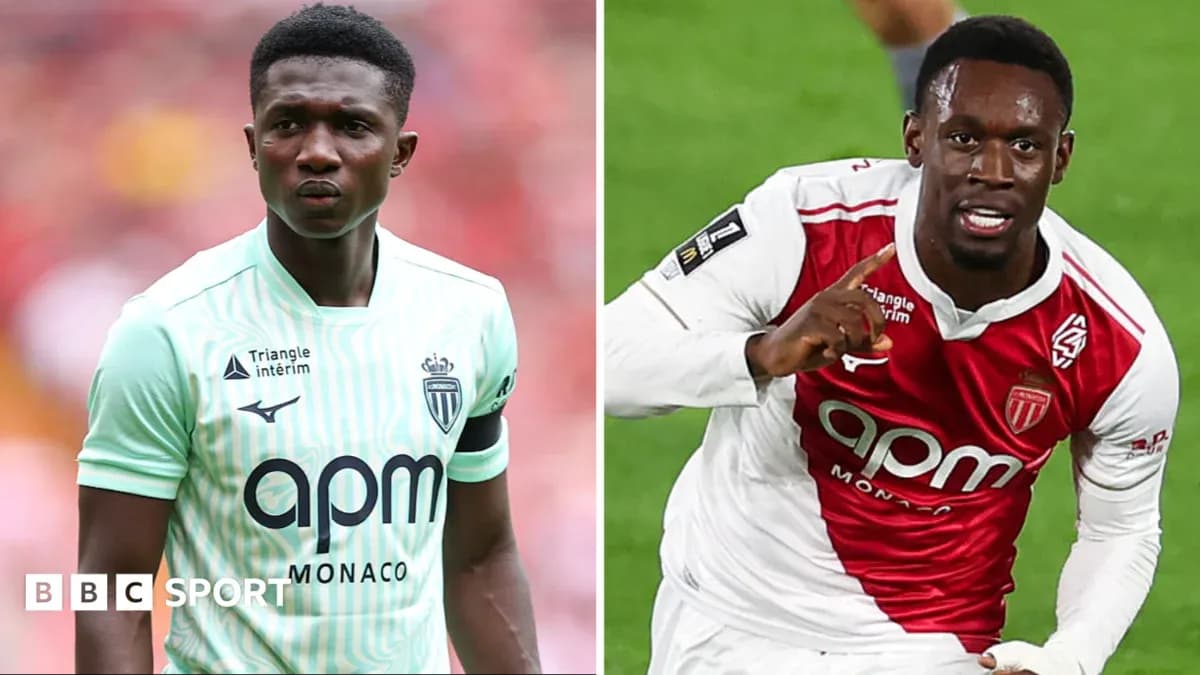
Chelsea's Deadline Day Drama: Camara and Balogun Deals Collapse
They all walked away empty-handed.
Chelsea, Monaco and Everton spent deadline day locked in a high-stakes triangle over Folarin Balogun and Lamine Camara. By the time the window slammed shut, the deals had collapsed, tempers had frayed and one source close to both Chelsea and Monaco summed it up bluntly: the clubs had “played with fire and got burned”.
Chelsea’s Enzo exit plan blows up
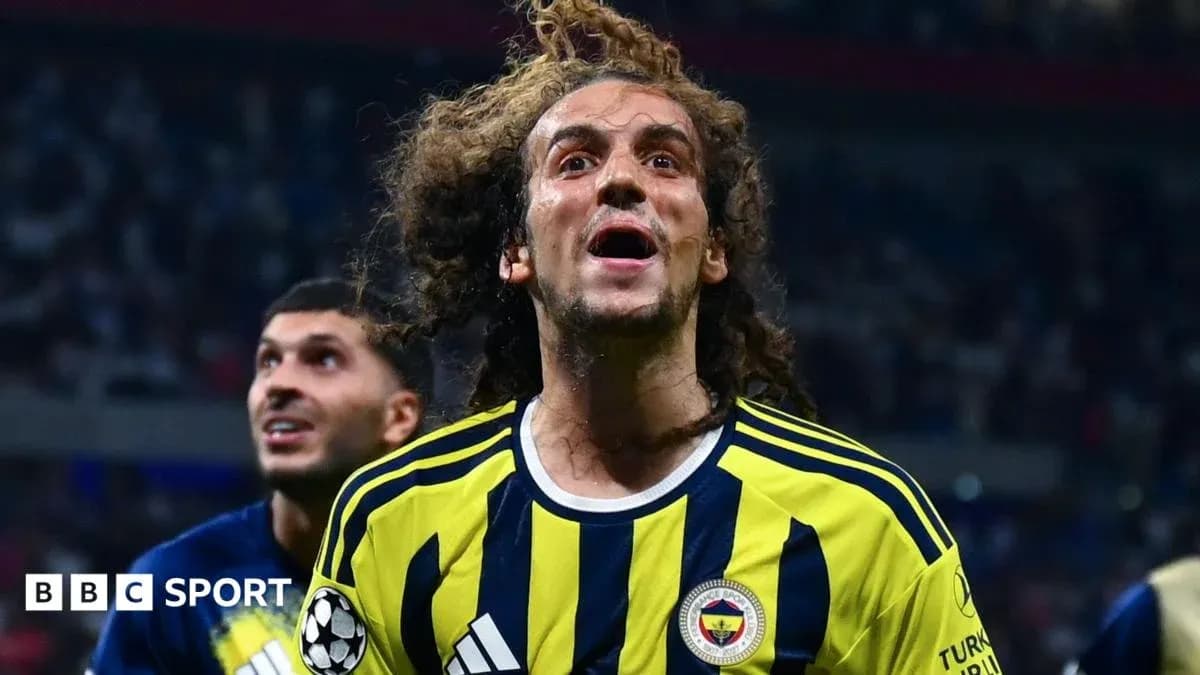
Chelsea went into the final days of the window with a clear plan. Enzo Fernandez was heading to Manchester City in a £125m move, and the London club wanted a dynamic midfielder to plug the gap. Lamine Camara, a 22-year-old Senegal international at Monaco, sat near the top of their list.
Monaco, though, dug in.
“I've been speaking to them for the last 10 days,” Monaco sporting director Thiago Scuro said. “At around 16:00 BST yesterday we got contact from Chelsea. The answer was the same: no.”
Monaco viewed Camara as effectively untouchable at the price Chelsea were willing to pay. The Ligue 1 side, under pressure to raise 150m euros in sales and already at 106m euros, were prepared to listen only to what they considered “exceptional” offers.
So Chelsea moved on. They tested the water for Roma midfielder Manu Kone, explored other options, and with three hours left in the window felt they could live with their existing midfield even after Fernandez’s exit.
Then the Balogun deal started to wobble.
Balogun’s medical opens the door
Monaco had already allowed United States international Folarin Balogun, 25, to fly to Merseyside to complete a £40m move to Everton. Camara, Monaco say, had agreed to stay. The striker’s sale would help ease the financial pressure.
But problems emerged during Balogun’s Everton medical. The transfer stalled. Suddenly, the numbers changed for Monaco — and for Chelsea.
With the Balogun cash in doubt, Camara came back into play. The £47m price point Chelsea had previously put on the table was now of interest. At around 20:00 BST, negotiations with Monaco restarted. Chelsea moved quickly, completed all the paperwork, and did not even need a deal sheet. Camara passed a medical, spoke to Chelsea head coach Xabi Alonso and signed a contract running to 2033.
From Chelsea’s side, the move looked done.
Everton, though, were scrambling. Having failed to secure an alternative striker, they revived the Balogun deal with the clock ticking down.
“What happened was that around 22:00 BST our time, maybe a bit earlier, Everton realised there was no issue and decided they were ready to sign the contract [for Balogun],” Scuro explained on Wednesday. “As soon as we received that information, we came back to Chelsea and said there was no deal. Because that's also fair. It's part of the game.”
The pressure finally told. Monaco pulled the plug on Camara.
Fury, deal sheets and a late twist
Chelsea were livid. From their perspective, Monaco had gone beyond a gentleman’s agreement. They believed the Ligue 1 club had committed in writing to the Camara transfer and were angered that the change of heart came via written notice rather than a direct call.
Monaco, convinced Balogun to Everton was back on, raced to protect that sale. They submitted a deal sheet to the Premier League five minutes before the 23:00 BST deadline, securing extra time to complete the move and, they thought, the funds they needed to satisfy Uefa’s financial rules.
Then came one final twist.
In the early hours of Tuesday morning, Balogun walked away. The former Arsenal forward left Everton’s Finch Farm training ground without signing. Scuro says the striker felt he had been mistreated during his time there, a claim Everton strongly dispute.
“We had to respect his decision,” Scuro said. “We found solutions, challenged the medical assessment and worked through the issues. I don't want to create a war with Chelsea or Everton. My role is to protect Monaco and act in the club's best interests. That's what I've done since I arrived. It's not about being loved by people outside the club. It's about doing what Monaco needs.”
Monaco are now braced for more sales, potentially to leagues where the window remains open, as they chase the remaining 44m euros they need.
Camara’s frustration and Liverpool’s watchful eye
Camara, who had already mentally crossed the Channel, was left bitterly disappointed. He had talked football with Alonso, passed his medical, signed his deal. Then it vanished.
Scuro insists the midfielder will bounce back quickly and expects him to return “with full power” for Friday’s trip to Paris St-Germain. He also understands why the player’s head was turned.
“A player can get excited by conversations with a coach and by everything a club like Chelsea can offer,” Scuro said. “This is not the end of the world. It's one opportunity. For a player with his level of talent, I'm very confident he will soon have even better options and offers than the one he had yesterday.”
Sources close to Camara say Liverpool retain a long-standing interest and could revisit a move in a future window.
Chelsea’s midfield gamble
Inside Chelsea, the mood was a mix of frustration and resolve. They had been tracking Camara for the final 10 days of the window but refused to be bounced into overpaying. Once Monaco finally opened the door, the London club thought they had moved decisively enough. When the deal collapsed, there was little time — or appetite — to pivot.
They could have pulled the emergency brake. Chelsea still had the option to cancel Fernandez’s transfer to Manchester City. Instead, they let it go through, a decision described internally as driven by “professionalism”.
The club wanted a midfielder, but only at the right price and on their own terms. There was no sense of panic.
Alonso, for now, must make do with what he has: Reece James, seen primarily as a midfield option, Moises Caicedo, Romeo Lavia and new arrivals Jordan Henderson and Valentin Barco in a 27-man squad. Injuries to Caicedo and Henderson and the heavy load on James forced Alonso into improvisation during the chaotic 4-3 win over Brighton, where Chelsea had just 25.6% possession — their lowest figure since records began in 2003-04.
Full-back Malo Gusto stepped into midfield. Barco, 21, came on only as a second-half substitute, with Chelsea keen to carefully manage his return to the Premier League after his brief, stuttering spell at Brighton.
Inside the club, the debate is already raging: is that midfield deep and good enough?
Chelsea retain the option of going back for Camara in January, or moving for another central option. They could also strengthen elsewhere, encouraged by a window in which they made a net profit while still adding experience and quality.
World Cup-winning goalkeeper Emiliano Martinez has arrived, along with France defender Maxence Lacroix and club-record £117m signing Morgan Rogers. Danny Welbeck adds know-how up front, while full-backs Pep Chavarria and Marco Palestra boost depth out wide.
The squad is built. The accounts are balanced. The window is shut.
Now Alonso has to turn this patched-together midfield and expensively assembled squad into a side that can live up to Chelsea’s ambitions — starting with a daunting trip to champions Arsenal on Sunday.