Charleston Battery Triumphs Over Pittsburgh Riverhounds in Penalty Shootout
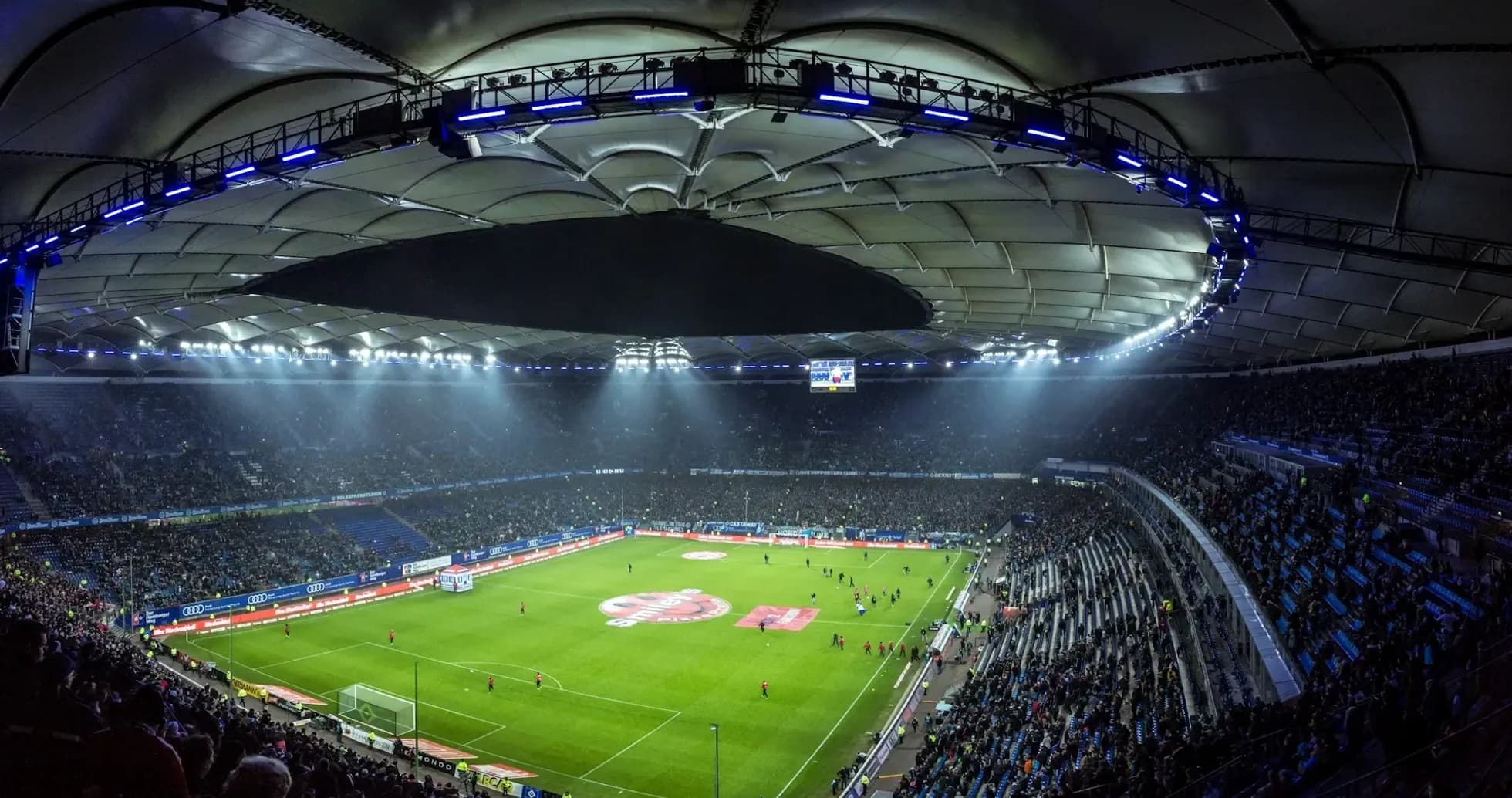
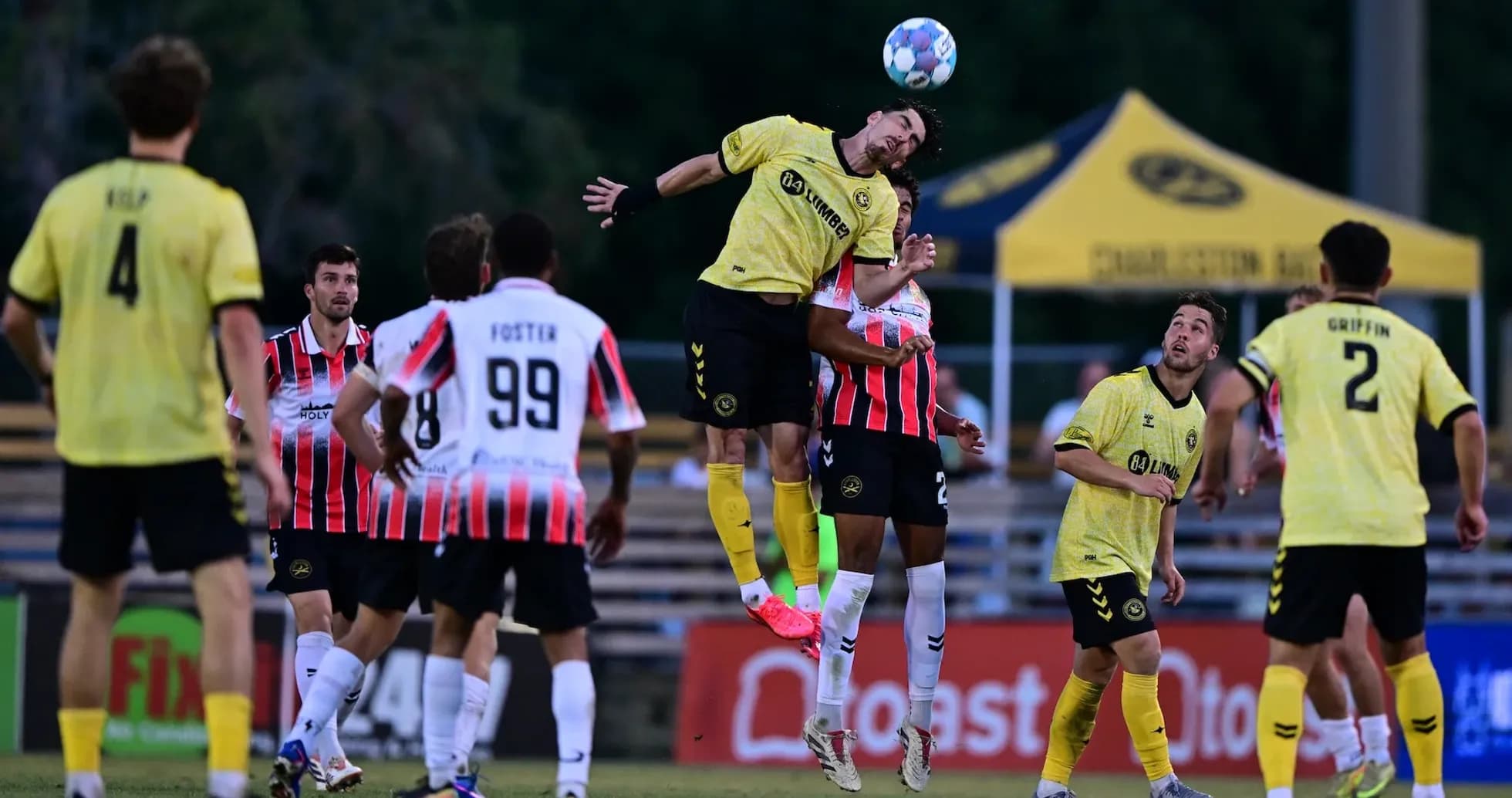
Under the lights at Patriots Point Soccer Complex, Charleston Battery and Pittsburgh Riverhounds played out 120 minutes of stalemate before the group-stage drama of the USL League One Cup was finally settled from the spot. Following this result, Charleston’s penalty triumph by 4–2 after a 0–0 draw felt less like a cup oddity and more like the logical extension of their seasonal DNA: controlled, defensively assured, and ruthless when the margins tighten.
I. The Big Picture – Group heavyweights under pressure
This was no dead rubber. In Group 6, Charleston arrived as the standard-setters. Heading into this game they sat 1st with 8 points and a goal difference of 7, forged from an all‑action attack and a miserly back line. Overall in the competition they had scored 7 and conceded just 1, with an overall goals-for average of 2.3 per match and goals-against at 0.3. At home, they had been clinical and cautious: 1 goal scored, none conceded, an average of 1.0 goals for and 0.0 against.
Pittsburgh, by contrast, were trying to claw their way out of inconsistency. Heading into this game they were 3rd in the group with 5 points and a goal difference of -1. Across their campaign they had scored 4 and conceded 3, with an overall goals-for average of 1.3 and goals-against at 1.0. The split between home and away told the real story: at home they averaged 3.0 goals for and 0.0 against; on their travels that collapsed to 0.5 goals scored and 1.5 conceded.
The penalty resolution, coded as “Finished after the penalty shootout,” only underlined the narrative: Charleston, already the most complete side in the group, found another way to win.
II. Tactical Voids – Discipline and the invisible absentees
With no official list of injuries or suspensions, the tactical voids here were structural rather than personnel-based. Both coaches leaned heavily into continuity. Ben Pirmann’s Charleston XI featured J. Berner between the posts, shielded by a defensive core including D. Martinez, G. Smith, J. Akpunonu, and N. Messer. In front of them, the blend of K. Pakhomov and S. Suber offered ballast, while M. Foster, E. Ycaza, and L. Blackstock worked to supply the line‑leading presence of M. Berry.
Rob Vincent’s Riverhounds mirrored that stability. M. Sheridan started in goal, with a back line anchored by P. Barnes, V. Souza, O. Mikoy, and L. Kelp. The midfield triangle of E. Goldthorp, R. Mertz, and D. Griffin was asked to both construct and disrupt, while C. Ahl and S. Bassett supported the central threat of T. Amann.
Discipline has been a quiet but important theme in this group. Heading into this game, Charleston’s yellow-card profile showed a clear flashpoint after the interval: 50.00% of their cautions came between 46–60 minutes, with smaller clusters at 0–15 (16.67%), 16–30 (16.67%), and 76–90 (16.67%). Yet they had avoided a red card entirely.
Pittsburgh’s card map was similar but slightly more volatile. Their yellows also peaked between 46–60 minutes at 42.86%, with further spread at 0–15 (14.29%), 31–45 (14.29%), 61–75 (14.29%), and 76–90 (14.29%). Crucially, every red card they had seen in the competition had arrived late, with 100.00% of dismissals in the 76–90 window. That late-game risk would loom large in any tight knockout‑style scenario, and the tension of a 0–0 that stretched to 120 minutes only heightened that edge.
III. Key Matchups – Hunter vs Shield, and the battle for control
Even without individual scoring charts, the structural “Hunter vs Shield” battle was clear. Charleston’s attack, averaging 3.0 goals on their travels and 2.3 overall, was up against a Pittsburgh defense that had been solid at home but more porous away, conceding an average of 1.5 goals on their travels and 1.0 overall.
For Charleston, the front unit of Foster, Ycaza, Blackstock, and Berry was designed to stress that away fragility. Foster and Blackstock, operating off the flanks, could pin back Pittsburgh’s full-backs Barnes and Griffin, while Ycaza looked to drift between the lines and force L. Kelp and O. Mikoy into uncomfortable decisions. Berry, wearing 90, was the reference point: occupy the center-backs, contest first balls, and create the chaos that Charleston’s second-line runners thrive on.
On the other side, Pittsburgh’s “Hunter” was more collective. T. Amann’s movement in the channels, supported by the creative impulses of C. Ahl and the industrious S. Bassett, targeted the Battery’s central pairing. G. Smith and J. Akpunonu had been part of a unit that, heading into this game, had conceded just 1 goal overall and kept 2 clean sheets. Breaking that shield was always going to require either a moment of individual brilliance or sustained pressure that Pittsburgh’s away form had not consistently produced.
In the engine room, the duel between Charleston’s Pakhomov–Suber axis and Pittsburgh’s Mertz–Goldthorp–Griffin triangle defined the rhythm. Pakhomov’s job was to screen and recycle, while Suber stepped out to confront Mertz, whose passing range is central to Riverhounds’ transitions. Griffin’s energy on the right side of midfield was meant to stretch Messer and test Charleston’s defensive rotations, but the Battery’s structure, honed by a perfect record of wins in all fixtures heading into this match, largely held.
IV. Statistical Prognosis – Why Charleston keep surviving tight margins
Strip away the penalty shootout and the story remains consistent with the numbers. Charleston came into this fixture as the group’s most balanced side: an overall goals-for average of 2.3, goals-against at 0.3, and no defeats across 3 matches. They had never failed to score in the competition and had already kept 2 clean sheets. Even when the scoreboard read 0–0 after 120 minutes, the underlying profile suggested a team that usually generates enough xG to break opponents down and almost never collapses defensively.
Pittsburgh’s profile was that of a dangerous but uneven challenger. Overall, they averaged 1.3 goals for and 1.0 against, with a clean sheet at home but a failure to score in one of their away outings. Their away attack, at 0.5 goals per match, simply did not travel with the same menace as their home form, and against a Battery side conceding an overall average of 0.3 goals, the margins were always going to be razor-thin.
Both teams had yet to take a penalty in regulation across the competition, with penalty totals at 0 for and 0 against, so the shootout represented a step into the unknown. Charleston adapted faster, their composure from the spot mirroring the calm that has underpinned their group-stage dominance. For Pittsburgh, the 4–2 defeat on penalties was a harsh but predictable outcome when set against their away struggles and late-game disciplinary risk.
Following this result, Charleston Battery emerge not just as group leaders by points and goal difference, but as a side whose tactical clarity and statistical solidity translate under the most acute pressure. Pittsburgh Riverhounds, meanwhile, are left to reconcile the gap between their vibrant home persona and the more hesitant version that appears on their travels—a gap that, in a competition decided by such fine margins, proved just wide enough to fall through.