Champions League: A Night of Elite Clashes and Nostalgia
On a warm September night in 1987, Diego Maradona’s Napoli walked into the lion’s den. La Quinta del Buitre’s Real Madrid awaited at the Bernabéu, first round, first leg of the European Cup. A tie that felt like it belonged in May, not in the opening act.
Madrid did what Madrid do. A 2-0 win in Spain, then a 1-1 draw at the San Paolo, and Napoli were gone almost before the competition had truly begun. One of Europe’s great attractions, dumped out in mid-September.
Watching from afar, Silvio Berlusconi seethed. Not just because a potential blockbuster had been cut short, but because he feared the same fate for his own project, AC Milan. The early exit of a heavyweight was, to him, bad business. So he pushed a radical idea: a European super league, a closed shop for the elite, built to protect the big names from early elimination and the accountants from nasty surprises.
That vision never fully landed, but it rattled Uefa badly enough. Five years later, out of that anxiety and ambition, the Champions League was born. A rebrand, yes, but also a structural shift, a tournament redesigned to keep the stars on screen for longer.
Even that didn’t sate the appetite. One team per country became two, then three, then four. In some cases, it can now stretch to five. The logic remained the same: more heavyweights, more often. Now comes the Swiss model, the latest twist, taking Berlusconi’s logic to its end point – a long league phase, thick with high-end fixtures, thinning out the threat of a quick exit.
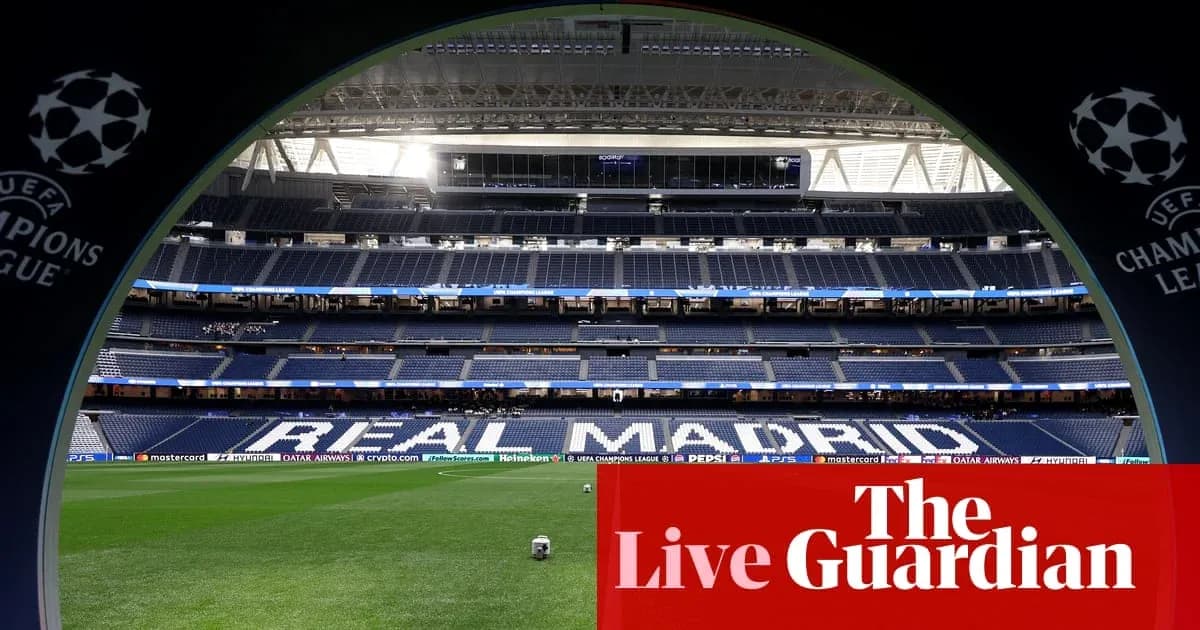
Gabriel Hanot, the French journalist who first imagined a pure, knockout continental competition, would look at this and weep. The romance of jeopardy traded for the security of inventory. Yet here we are, with Real Madrid v Internazionale on the slate, and the game’s beauty once again outmuscling its politics.
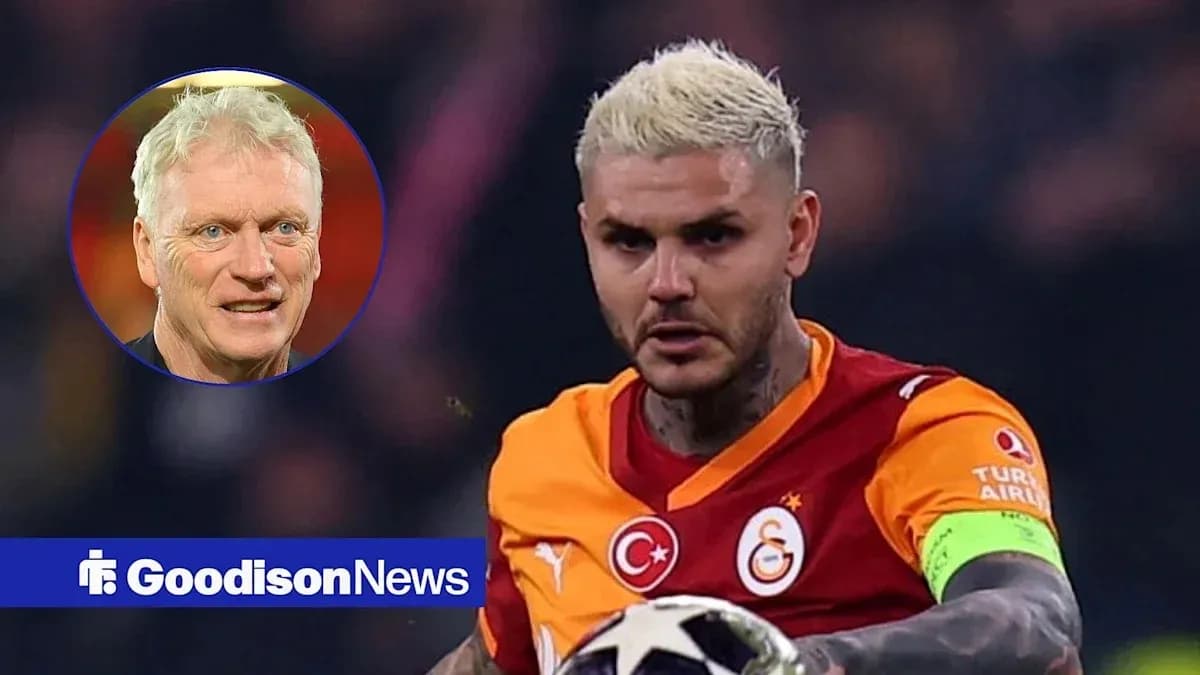
And how do you turn away from that? You don’t. Not when José Mourinho strides back into the Champions League spotlight, cast once more as the man on his “last chance”, trying to summon the old alchemy. Across from him stands Cristian Chivu, once his disciple, now in charge at Inter, the club where Mourinho forged perhaps the defining work of his career.
The storyline writes itself: the master chasing one more act, the former pupil shaping his own era in the same colours. It’s nostalgia and transition sharing the same technical area.
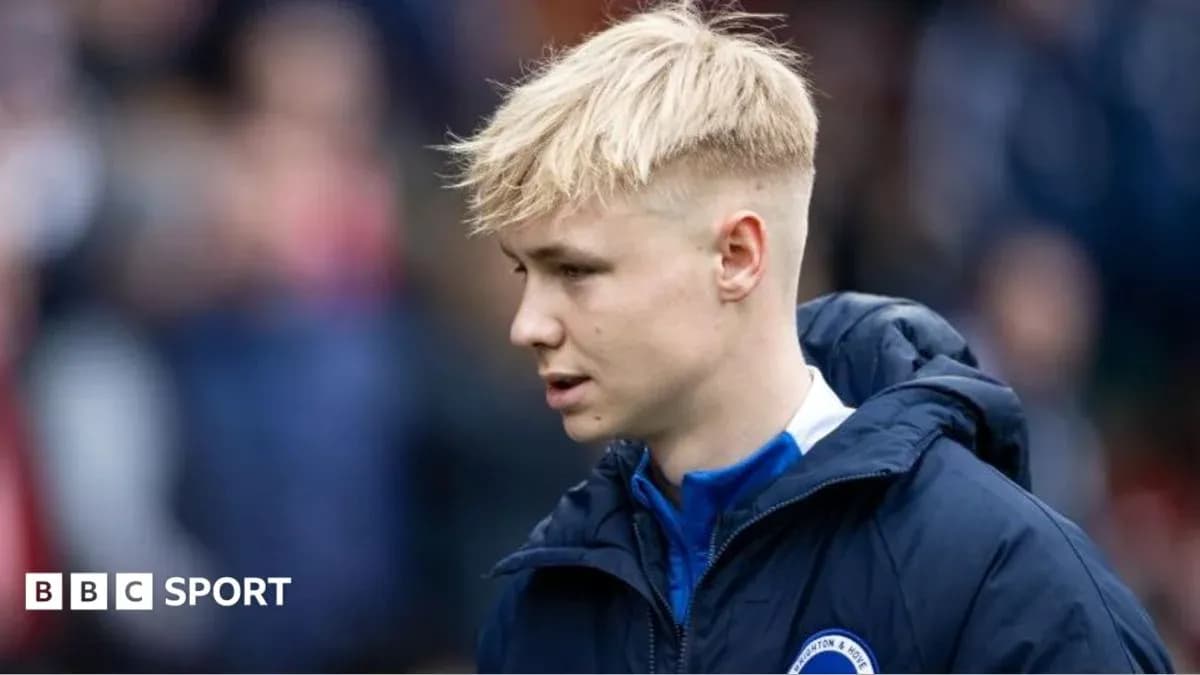
The night doesn’t stop there. Dortmund step into the glare again, with the Westfalen’s latest prodigy, 18-year-old Konstantinos Karetsas, suddenly central to their plans. He has burst into the side with a maturity that belies his age, and now he faces Villarreal, a club that has made a habit of unsettling Europe’s bigger names. It feels like the perfect stage to see whether the early promise holds when the stakes climb.
Elsewhere, Porto meet Manchester City in a tie that carries its own weight. City, the benchmark of the modern superclub, arrive expected to dominate, but Porto rarely bow to reputation on their own patch. Lille host Real Betis, another meeting of distinct football cultures, both sides capable of veering from the sublime to the infuriating within the same 90 minutes.
What does any single group-stage game truly mean in this new landscape? The answer is increasingly blurred. The jeopardy has shifted from survival to seeding, from staying alive to securing the smoothest possible route later on. But meaning, in this age, is often secondary to spectacle – and millions will still lock in, searching for moments rather than narratives.
All the while, the domestic calendar refuses to step aside. The League Cup hums into life across England, kick-offs scattered at 7.45pm and 8pm BST, a different kind of theatre. Rotated squads, young hopefuls, managers juggling priorities. It may not carry the glamour of Madrid v Inter, but it still shapes seasons, careers, and dressing-room hierarchies.
So the night stretches out in front of us: Champions League at 8pm BST, League Cup already under way, stories unfolding in parallel. The structure of European football may have bent itself towards the demands of the powerful, yet the basic pull remains stubbornly simple.
The whistle blows, the ball rolls, and for 90 minutes at a time, all those arguments about formats and models fade into the background. The question that lingers is sharper: in this new era of endless elite clashes, will the magic deepen – or slowly dilute?