CF Pachuca and Guadalajara Chivas Battle to Tactical Draw
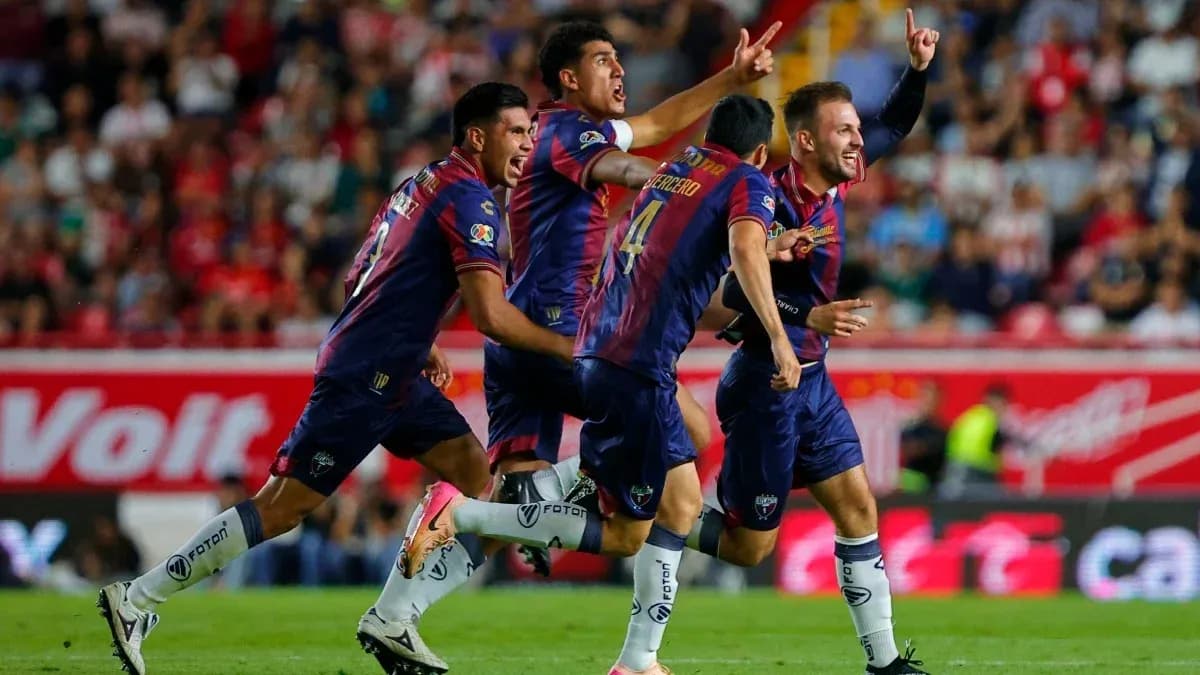
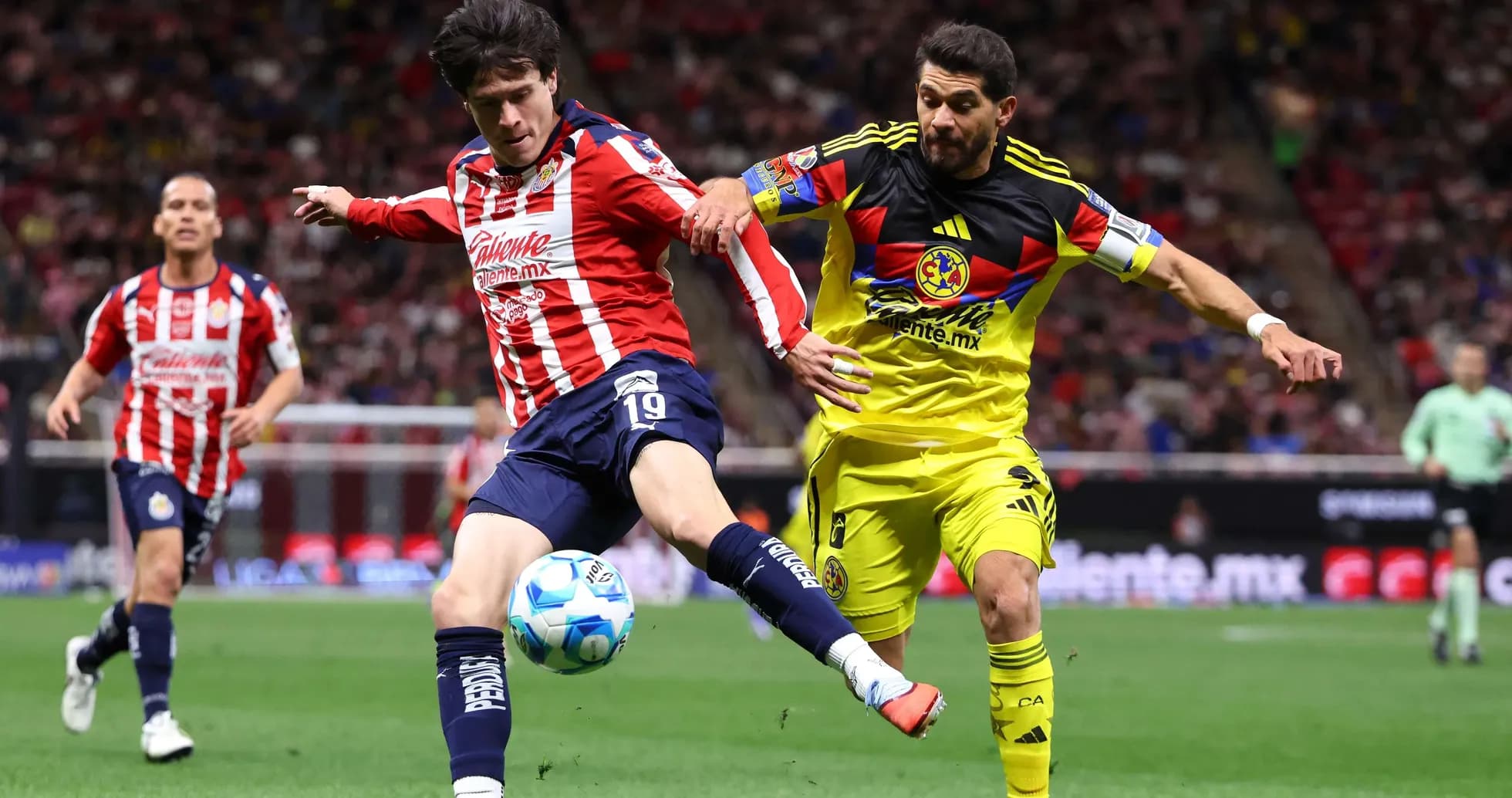
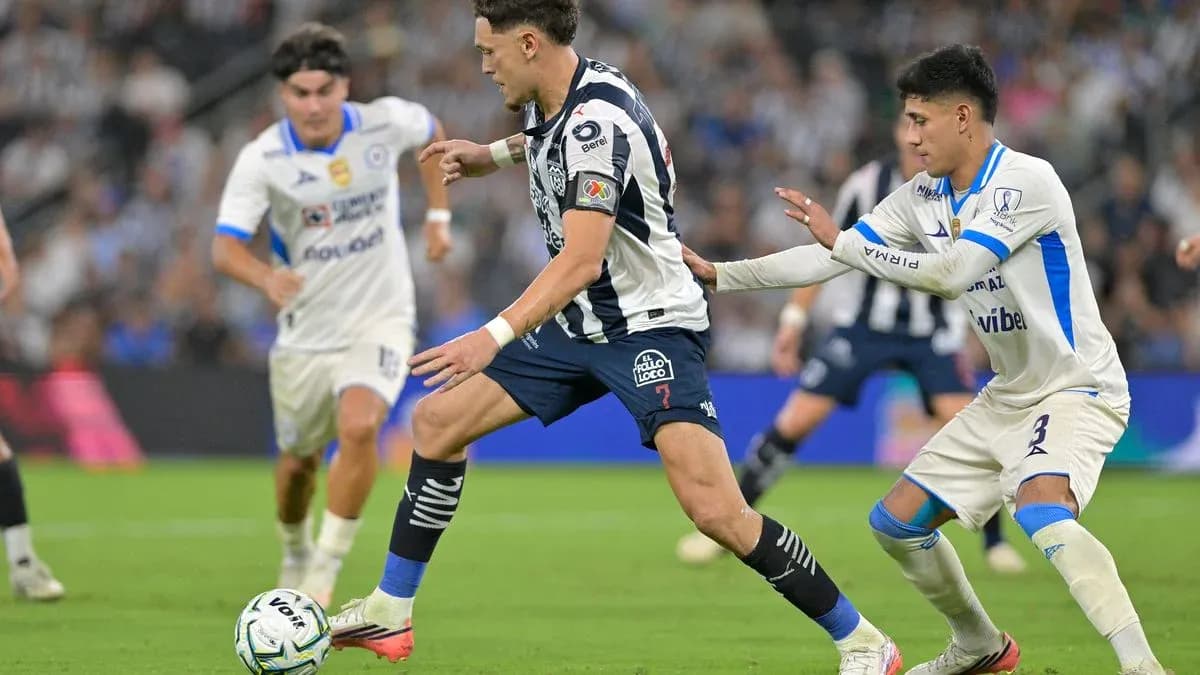
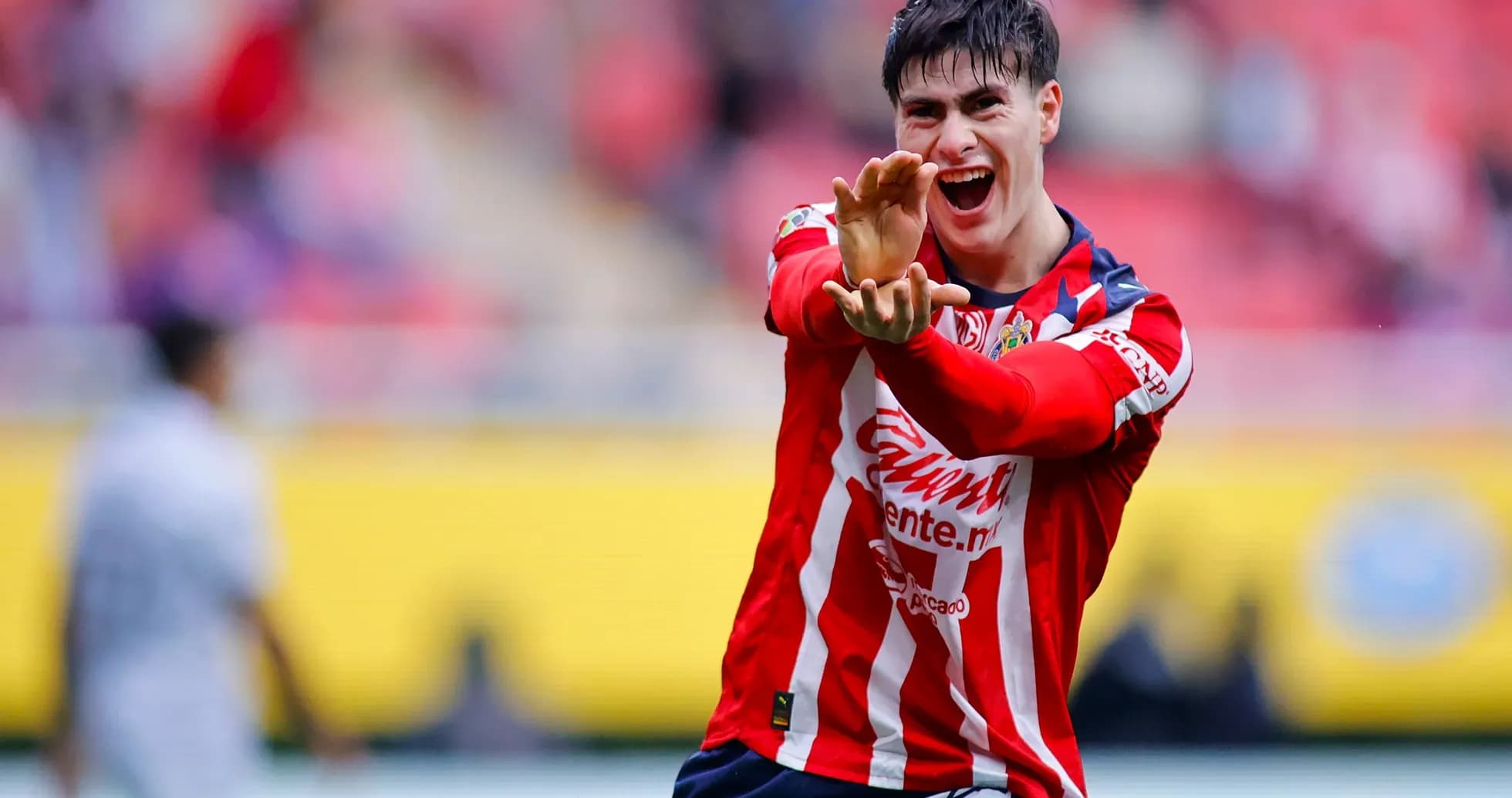
Under the lights of Estadio Miguel Hidalgo, CF Pachuca and Guadalajara Chivas shared a 1-1 draw that felt less like a stalemate and more like a tactical arm-wrestle between two very different footballing identities.
I. The Big Picture – contrasting trajectories
Following this result in Apertura - 6, the table tells a stark story. Pachuca sit 15th with 5 points from 6 matches, their overall goal difference at 0 after scoring 8 and conceding 8. Chivas, by contrast, are 5th on 11 points, with an overall goal difference of 3 from 9 goals for and 6 against. One side is trying to claw its way out of early-season turbulence; the other is quietly assembling a play-off calibre campaign.
The underlying numbers sharpen that contrast. Overall, Pachuca average 1.3 goals scored and 1.3 conceded per match. At home, they score 4 and concede 6 across 3 games, which aligns with a home average of 1.3 scored and 2.0 conceded. Chivas, on their travels, have taken points in every away match: 1 win and 2 draws from 3, with 3 goals scored and 2 conceded, an away average of 1.0 for and 0.7 against. Heading into this game, this was the classic meeting of a fragile home side and an efficient, compact visitor.
Benjamin Mora’s decision to roll out a 4-3-3 signalled a desire to be more front-footed than the 4-2-3-1 that had been his main template this season. Gabriel Milito answered with a 3-4-2-1, consistent with Chivas’ recent shift toward a back three that can morph into a five without the ball.
II. Tactical voids and disciplinary shadows
The absences list offers no clues, but the data does. Pachuca’s disciplinary profile this season is volatile: yellow cards spike late, with 26.67% of their bookings arriving from 76-90’, and red cards split between 31-45’ and 61-75’. That tendency to lose control in transition phases has already cost them, most notably through Eduardo Bauermann and Christian Rivera, both sent off earlier in the campaign.
Bauermann’s red-card record looms over the back line that started here: C. Moreno behind a defence of C. Sanchez, J. Berlanga, S. D. Barreto and F. Venegas. None of those four is in the red-card list, but they are operating in a structure shaped by recent dismissals – deeper lines, more conservative full-backs, and a goalkeeper often exposed. Rivera, meanwhile, anchors the midfield but carries the psychological weight of his own dismissal; his role is as much about emotional control as ball-winning.
Chivas are not immune either. Their season red-card profile is defined by Ángel Sepúlveda’s dismissal, the only red in their campaign so far. Milito’s use of Sepúlveda from the bench – 4 substitute appearances in 5 games – underlines his status as an impact forward who walks a disciplinary tightrope. In a match where Pachuca’s late-game card surge is well documented, Chivas had to manage both the scoreboard and their own temperament.
III. Key matchups – Hunter vs Shield, Engine Room vs Enforcer
The headline duel was always going to be Salomón Rondón against the Chivas back three. Rondón arrived as Liga MX’s leading scorer with 6 goals from 6 appearances, backed by 18 shots (8 on target) and a robust duel profile: 38 total duels, 19 won. He is not just a finisher; he is a reference point.
In Mora’s 4-3-3, Rondón was flanked by Kenedy and Oussama Idrissi, with A. Bautista and Rivera offering central support. The idea was clear: isolate Rondón against D. Campillo Del Campo and M. Gomez, while dragging L. Romo – nominally a defender in the line of three – into uncomfortable zones. Chivas’ defensive numbers suggested they were up for the test: overall they concede only 1.0 goal per match, and on their travels just 0.7, with no away defeats.
The Hunter vs Shield battle played out in the penalty area and in the air. Rondón’s physicality and timing asked constant questions of a Chivas unit that has thrived by compressing space. Milito’s back three, shielded by O. Govea and F. Gonzalez in central midfield, sought to deny him service rather than win every direct duel.
Equally compelling was the creative war between Idrissi and Roberto Alvarado. Idrissi, one of the league’s top assist providers with 2 so far, has crafted 9 key passes and completed 12 of 26 dribbles. From the left of the front three here, he drifted inside to combine with Bautista and Rivera, trying to overload the half-spaces behind Chivas’ wing-backs.
Alvarado, operating as one of the two attacking midfielders behind R. Marin, is the heartbeat of Milito’s attack. With 3 goals, 13 key passes, and a remarkable passing accuracy of 88% from 263 passes, he is both playmaker and finisher. His duel numbers – 60 contested, 31 won – show a player who does not shy away from the physical side, crucial when facing a Pachuca midfield anchored by Rivera, who has 24 tackles and 5 interceptions this season.
The Engine Room clash between Rivera and the Chivas double pivot of Govea and Gonzalez shaped the game’s rhythm. Rivera’s 212 passes at 88% accuracy underline his importance in progression, but his 10 fouls committed and red card history mean he operates on a disciplinary edge. Chivas targeted that, using H. Camberos and S. Sandoval to drag him laterally, forcing decisions in transition where his timing can be tested.
IV. Timing, trends and statistical prognosis
The minute-by-minute scoring patterns framed the late drama. Pachuca’s goals come alive late: 37.50% of their goals arrive between 76-90’, with another 25.00% between 31-45’. But they also concede heavily in those same late minutes – 37.50% of their goals against are in the 76-90’ window. They are a team that lives and dies in the final quarter-hour.
Chivas, by contrast, build pressure from 31-75’. They score 22.22% of their goals between 31-45’ and a hefty 33.33% between 61-75’, before tailing off slightly late on. Defensively, their main vulnerability is also in the final half-hour, with 33.33% of goals conceded between 61-75’ and another 33.33% between 76-90’.
Those intersecting curves produced a predictable yet compelling narrative: Chivas’ mid-game surge against Pachuca’s late volatility. The 1-1 scoreline reflects a balance of forces – a visiting side structurally sound and efficient, and a home team whose attacking peaks and defensive collapses are crammed into the same high-intensity phases.
From an analytical standpoint, the underlying season data still tilts the longer-term prognosis in Chivas’ favour. Overall they score 1.5 goals per match and concede 1.0, with 2 clean sheets and only 1 failure to score. Pachuca, despite matching their 1.3 for and 1.3 against, have just 1 win in 6 and no home victories, with 6 of their 8 goals conceded at Estadio Miguel Hidalgo.
For Mora, the path forward is clear: maintain the attacking platform built around Rondón and Idrissi, but insulate a defence that collapses in the same windows where the attack surges. For Milito, this draw reinforces a template that travels well – a compact back three, Alvarado as the creative axis, and a side that rarely loses shape even under late pressure.
Following this result, the table says draw. The tactical story, though, suggests Pachuca are still searching for equilibrium, while Chivas continue to look like a side whose structure and timing give them a sustainable edge over the long Apertura grind.