Celtic's Struggles: From Dominance to Dismay
Celtic look lost. Not just out of form, but stripped of the conviction that once made them terrifying.
Two heavy defeats in five days have dragged Martin O'Neill’s side to a place where faith is no longer automatic. The mauling at Ibrox was bad enough. The 3-1 home loss to Ferencvaros in their Europa League opener turned concern into something darker.
This wasn’t a freak night. It felt like the continuation of a slide.
From Postecoglou’s fury to a pale imitation
Under Ange Postecoglou, Celtic played with a wild relentlessness – aggression, angles, risk, speed. They suffocated teams, dragged defenders into horrible areas and then finished them off.
This version is a shadow.
Against Ferencvaros, Celtic had the ball, but not the purpose. They saw 62.5% of the first-half possession and still walked down the tunnel 2-1 behind. Their play was safe, predictable, short of tempo. Pass and move became pass and stand.
They started reasonably, then conceded a soft opener. They responded with a flash of quality to level, only to sag again into the same nervous patterns: sideways passes, no bite, minimal emotion.
The goal before half-time summed it up. Hesitation when the loose ball needed to be attacked. Weakness when the cross had to be stopped. Chaos when the danger reached the box. It was the sort of concession you associate with poor sides in trouble, not champions who went unbeaten on the run-in last season.
Old scars reopened
For Celtic supporters, the scenes on Thursday stirred grim memories. Cluj and Copenhagen in 2019 and 2020. Sparta Prague in 2020. The nights when Bayo, Bolingoli, Klimala, Ajeti, Duffy and Laxalt were the faces of failure.
This had that same feel. Legia Warsaw. Salzburg. Maribor. The energy drained from the stands, the boos rising, the sense of a team without answers hanging in the air.
The numbers were damning in their own way. Camilo Duran, preferred through the middle to Kasper Høgh, managed just eight touches in the first half. He was in his favoured role but looked distant from the game, a player transformed from the vibrant forward who arrived in Glasgow buzzing only weeks ago.
Høgh’s decline is just as stark. The striker who scored against Manchester City, Atletico Madrid, Inter Milan, Sporting, Porto, Jagiellonia and Olympiacos for Bodo Glimt now looks like a different footballer entirely – heavy first touch, no service, no menace. One goal in eight Celtic appearances is a brutal return for an £11m signing. O'Neill hasn’t unlocked him yet, not even close.
Callum McGregor, the constant through so many eras, suddenly looks adrift. The captain who usually knits everything together is now chasing shadows in a midfield that keeps giving the ball away and then fails to hunt it back with any conviction.
O’Neill’s aura under strain
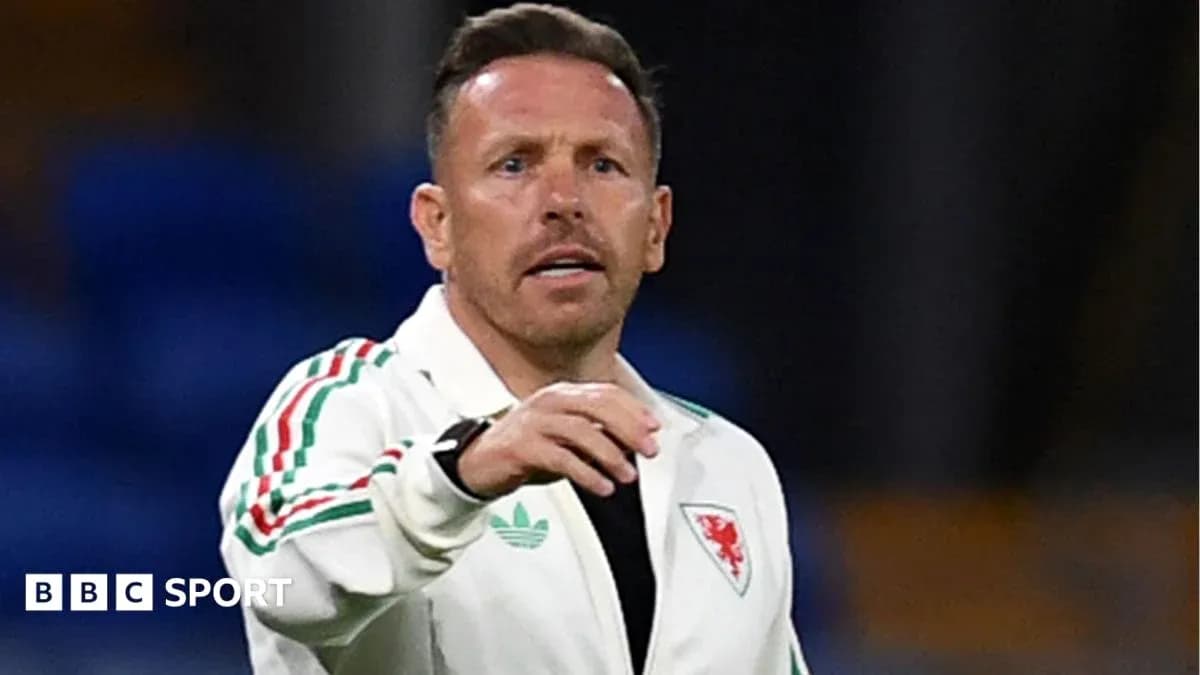
O'Neill spoke afterwards of frustration, failure and psychological damage. He admitted these moments hit hard and test resolve. He promised Celtic would “get ourselves together” for Rangers on Sunday, but the delivery lacked spark. His words felt as flat as his team’s performance.
This is the manager who dragged Celtic out of chaos last season, who reimposed structure and belief, who turned them into a side nobody could beat in the title run-in. His personality gave them edge. They were not always fluent, but they were ferocious.
That ferocity has vanished.
Right now, Celtic look short of almost everything that matters: ideas, conviction, composure, physical presence, mental toughness, creativity, ruthlessness, appetite for the fight. The manager himself does not look like a man brimming with inspiration.
He has fixed a lot of problems in a long career. The instinct is to assume he will fix these too. But the list is growing.
Arzani’s sting and the Keystone Cops
The script almost wrote itself. With Celtic wobbling, Daniel Arzani – the former Parkhead loanee who barely left a trace in Glasgow – stepped into the spotlight.
The counter-attack that led to his goal was humiliating from a Celtic point of view. Colby Donovan over-committed, then sprinted back in vain as Ferencvaros broke into acres of space. The organisation at the back disintegrated. It was slapstick stuff, more Keystone Cops than European contender.
Arzani had time to measure everything. He waited, picked his spot and whipped a superb finish into the top corner. It was simple because Celtic made it simple.
The boos told their own story. So did the body language of the players. So did the manager’s.
A season at a crossroads
McGregor admitted afterwards the team is “a little bit broken”. That is as honest as it is alarming.
Across the city, Rangers will be licking their lips at the thought of facing a wounded Celtic at Parkhead in the second act of the Old Firm saga this weekend. They know they have a chance to land another heavy blow.
Yet Scottish football has seen this movie before. Teams written off, managers under siege, and then a backlash when pride finally kicks in. Celtic Park, angry and expectant, can still be a brutal arena for any visitor.
O'Neill needs solutions, and he needs them fast. Shape, personnel, mentality – nothing feels off-limits now. His reputation says he finds a way. The evidence of the past week says he has a mountain to climb.
Sunday will reveal which story wins.