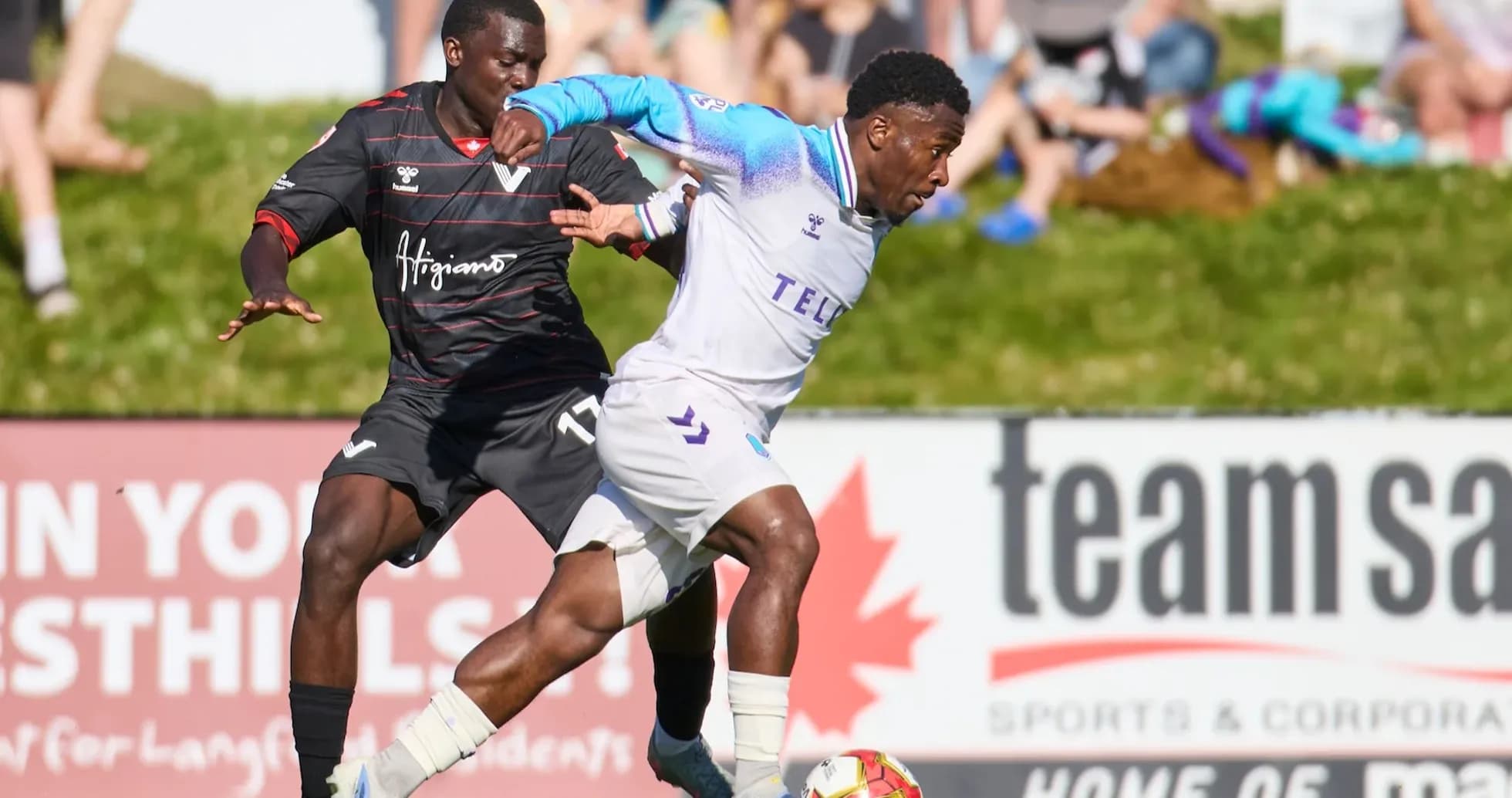
Cavalry FC and Forge Battle to Tactical Draw in CPL Showdown
Under the floodlights at ATCO Field, the league’s defining rivalry played out like a tactical chess match that refused to name a winner. Cavalry FC, leaders of the Canadian Premier League, were held 1–1 by second‑placed Forge, a result that preserves a four‑point gap in a title race shaped as much by structure and discipline as by attacking flair.
Heading into this game, Cavalry’s seasonal profile was that of a ruthless frontrunner. Overall they had taken 50 points from 22 matches, with a goal difference of 29, built on 42 goals scored and only 13 conceded. At home they were unbeaten across 11 fixtures, with 8 wins, 3 draws, 24 goals for and just 7 against. Forge arrived as the only side capable of matching that consistency: 46 points from 22, goal difference 18 (34 scored, 16 conceded), with a balanced scoring record of 17 goals at home and 17 on their travels, and only 10 conceded away.
Both coaches mirrored each other on the teamsheet, setting up in 4‑2‑3‑1 systems that revealed their seasonal DNA. Tommy Wheeldon Jr. trusted the structure that has underpinned Cavalry’s campaign: N. Ingham in goal behind a back four of A. Pearlman, D. Klomp, A. Didic and B. Kamdem. In midfield, the double pivot of H. Paton and E. Kobza sat beneath a fluid trio of S. Camargo, T. Warschewski and N. Edwards, all feeding the pace and direct running of C. Elva up top.
Opposite him, Bobby Smyrniotis deployed a Forge XI that blended steel with emerging attacking talent. D. Bertaud started in goal, protected by a back line of R. Rama, D. Nimick, A. Batisse and M. Jevremović. In front of them, Manjrekar James and B. Paton formed the screening pair, with M. Bourgeois, A. Sadek and H. Massunda supporting lone forward I. Oketokoun.
The tactical voids in this contest were less about absentees and more about discipline and emotional control. Across the season, Cavalry have flirted with the edge of the law: their yellow cards cluster most heavily between 46–60 minutes, with 24.00% of their cautions arriving just after half-time, and another 16.00% between 31–45. Forge, by contrast, have shown a tendency to combust around the interval and into the late stages, with 21.57% of their yellows between 31–45 minutes and another 21.57% from 61–75, plus a red card presence in three separate time windows.
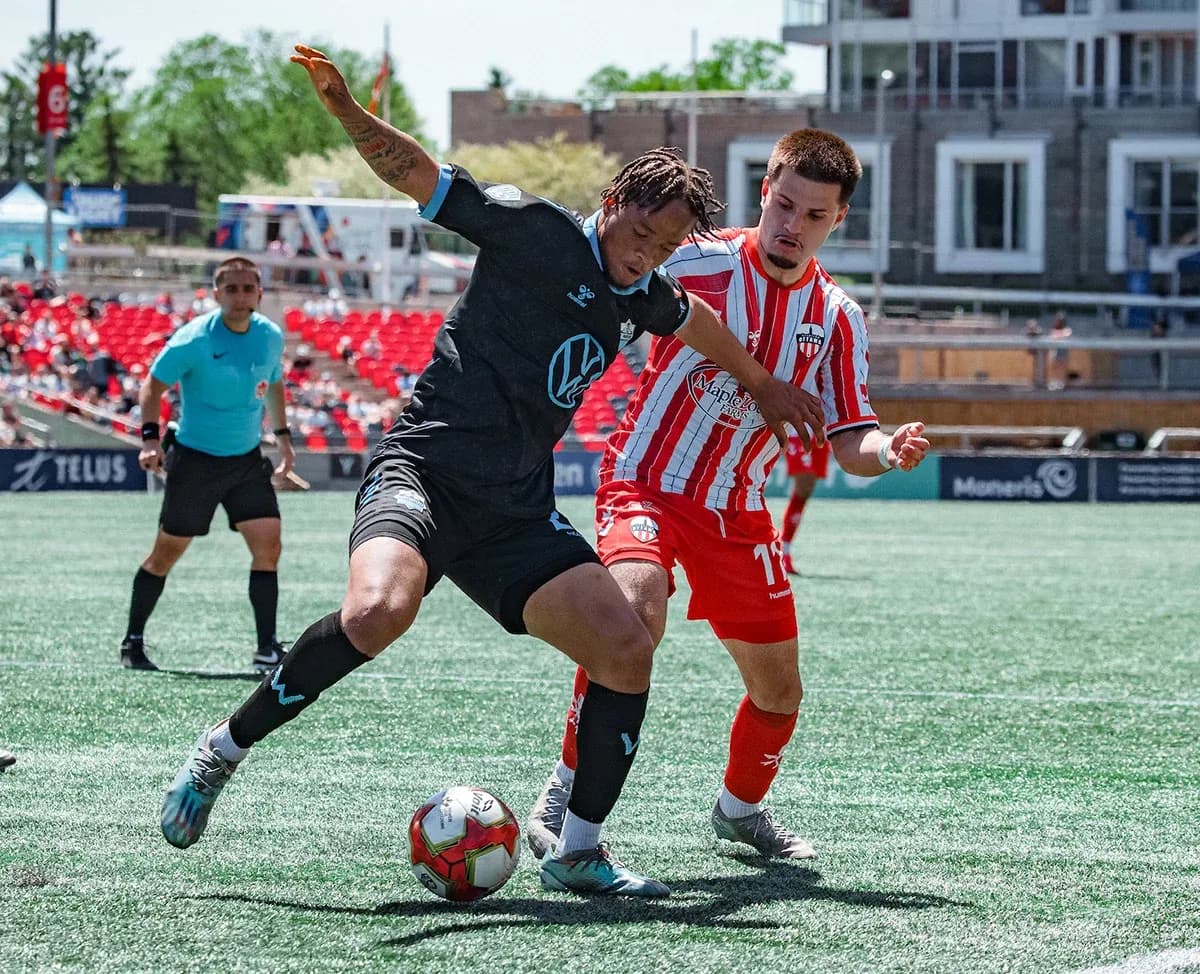
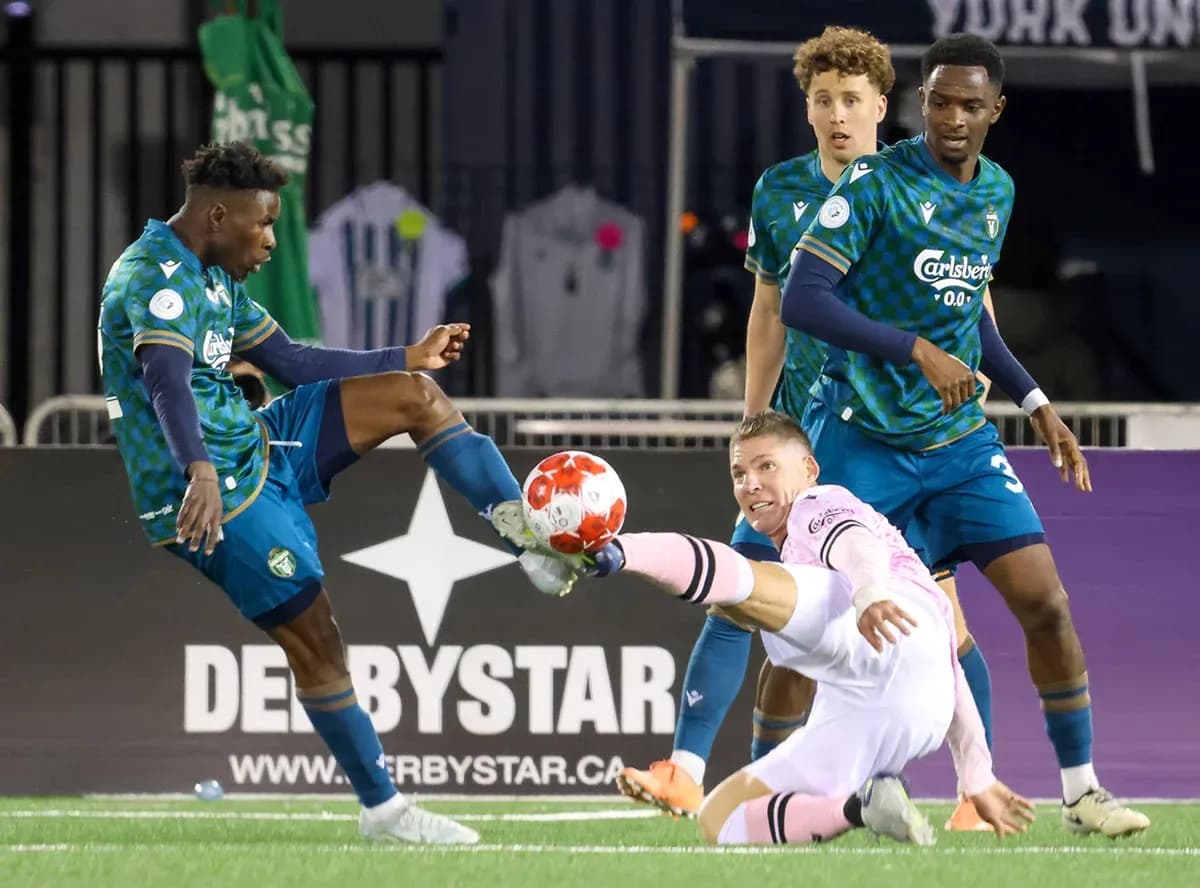
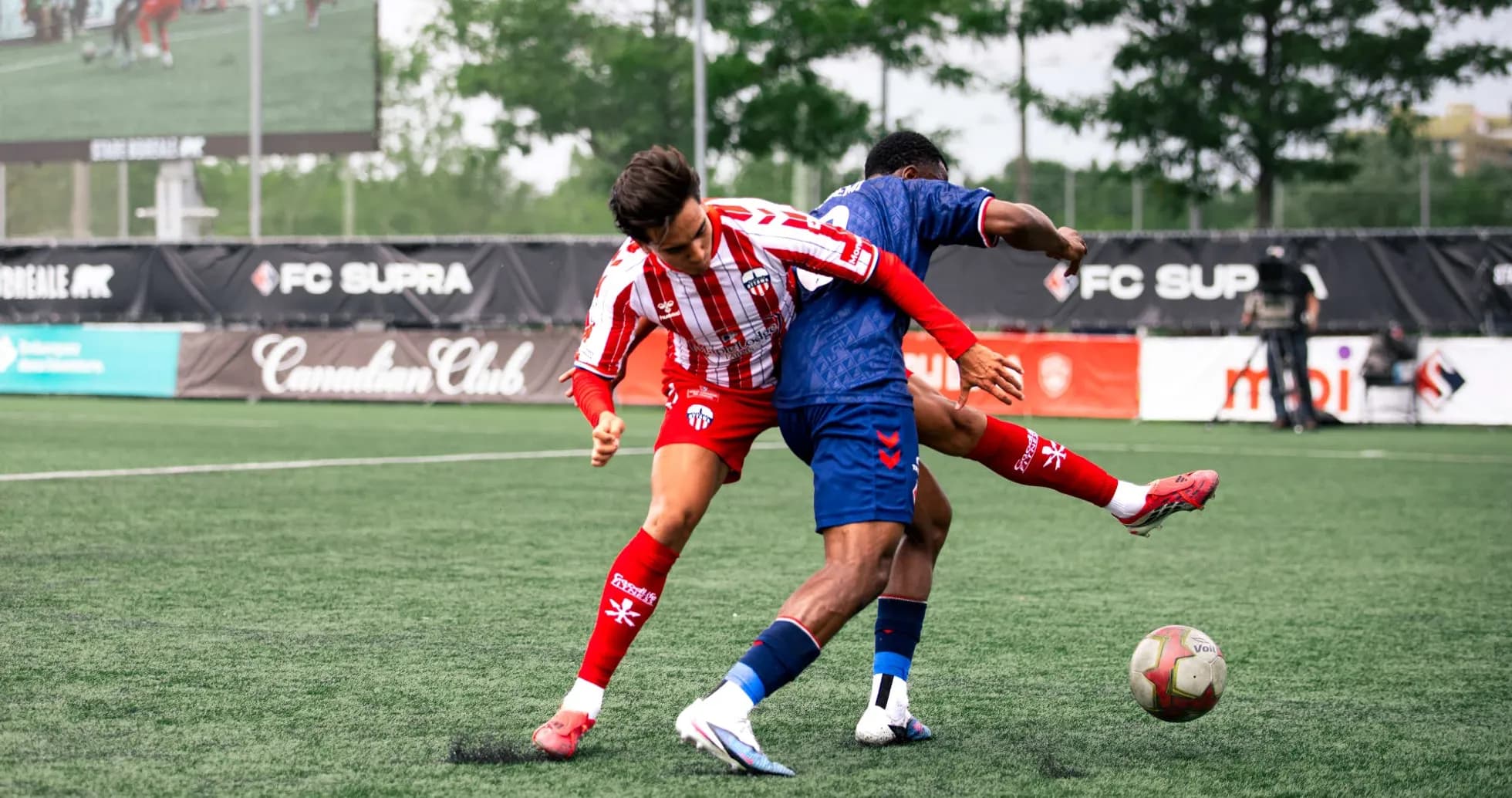
Those patterns framed a match in which the middle third of each half felt combustible. With Cavalry’s aggression spiking after the break and Forge’s own discipline fraying either side of it, the contest was always likely to tilt into a series of transitional duels. That is where players like H. Paton and E. Kobza for Cavalry, and A. Aromatario and Rama for Forge, define the tone. Paton, who has accumulated 8 yellow cards this season, again walked that fine line in the heart of midfield, snapping into duels and trying to set Cavalry’s tempo. Kobza, another serial collector of cards with 7 yellows and a previous dismissal, anchored the pivot, screening second balls and stepping into passing lanes.
Hunter vs Shield
The “Hunter vs Shield” narrative was embodied in the matchup between Cavalry’s attacking core and Forge’s centre‑back pairing. D. Klomp, remarkably one of the league’s top scorers from defence with 4 goals and 1 assist, has become a set‑piece weapon as much as a stopper. Alongside him, A. Didic offers both aerial dominance and progressive passing, with 2 assists and 5 blocked shots this season. Together they form the backbone of a side that, overall, concedes just 0.6 goals per game, and only 0.6 at home.
Forge’s response came through the calm authority of D. Nimick. With 3 league goals and 2 penalties converted, plus 4 successful blocks and 10 interceptions, he is more than a pure defender; he is an organiser and an outlet. Against Cavalry’s high press and their 2.2 home goals per game, Nimick’s ability to break lines with accurate passing (90% completion across 570 passes) and to dominate aerially was essential to keeping Forge compact and connected.
Engine Room Duel
Higher up the pitch, the “Engine Room” duel pitted creativity against disruption. For Cavalry, Warschewski is the reference point between the lines: 4 goals, 3 assists, 33 key passes and 35 dribble attempts this season make him the side’s primary conduit. Operating as the central playmaker in the 4‑2‑3‑1, he constantly looked to drag Forge’s midfield out of shape, either by dropping off the front line or drifting wide to combine with Camargo and Edwards.
Forge’s counterweight is spread across several profiles. B. Paton provides balance in the double pivot, while the bench options of T. Borges and A. Aromatario give Smyrniotis different ways to wrest control. Borges, with 3 assists and 18 key passes, is a natural rhythm‑setter who can arrive from the bench to change the tempo. Aromatario, one of the league’s most combative midfielders with 30 tackles, 21 interceptions and 8 yellow cards, represents Forge’s capacity to turn the game into a grinding, attritional battle when needed.
In wide areas, the duel between Cavalry’s full‑backs and Forge’s flanks shaped much of the territorial story. Pearlman, who has 2 assists and wins 57 of his 90 duels, pushed high to pin Massunda back, while Kamdem offered balance on the left. For Forge, Rama and Jevremović had to choose their moments carefully; both have red cards on their records this season, and any mistimed aggression risked tilting the match in Cavalry’s favour.
From a statistical prognosis, the draw feels like the collision of two elite defensive structures rather than a failure of attacking talent. Cavalry’s overall scoring rate of 1.9 goals per game met Forge’s defensive record of only 0.7 goals conceded per match, with just 0.9 conceded on their travels. Forge’s own 1.5 goals per game ran into a Cavalry back line that, at home, allows only 0.6.
Both teams are flawless from the spot this season, each converting all 3 penalties they have taken, and with no penalties missed, there was always the sense that any foul in the box could decide the night. Instead, the game was settled in open play, with both sides leaning on their structures and leadership rather than moments of chaos.
Following this result, the narrative of the title race is unchanged but sharpened. Cavalry remain the standard‑bearers: unbeaten at ATCO Field, defensively parsimonious, and driven by a spine in which Klomp, Didic, Paton and Warschewski continue to deliver. Forge walk away knowing they can go toe‑to‑toe with the leaders in their own fortress, with Nimick, Rama and the emerging threat of Oketokoun reaffirming their status as the league’s most credible challengers.
If this was a preview of the battles to come—perhaps in the decisive weeks of the Group Stage or beyond—it suggested a simple truth: margins between these two are microscopic, and the title may ultimately belong to the side whose discipline holds firm in those volatile middle minutes where both teams like to live on the edge.