Cavalry FC Dominates Pacific in Canadian Premier League Clash
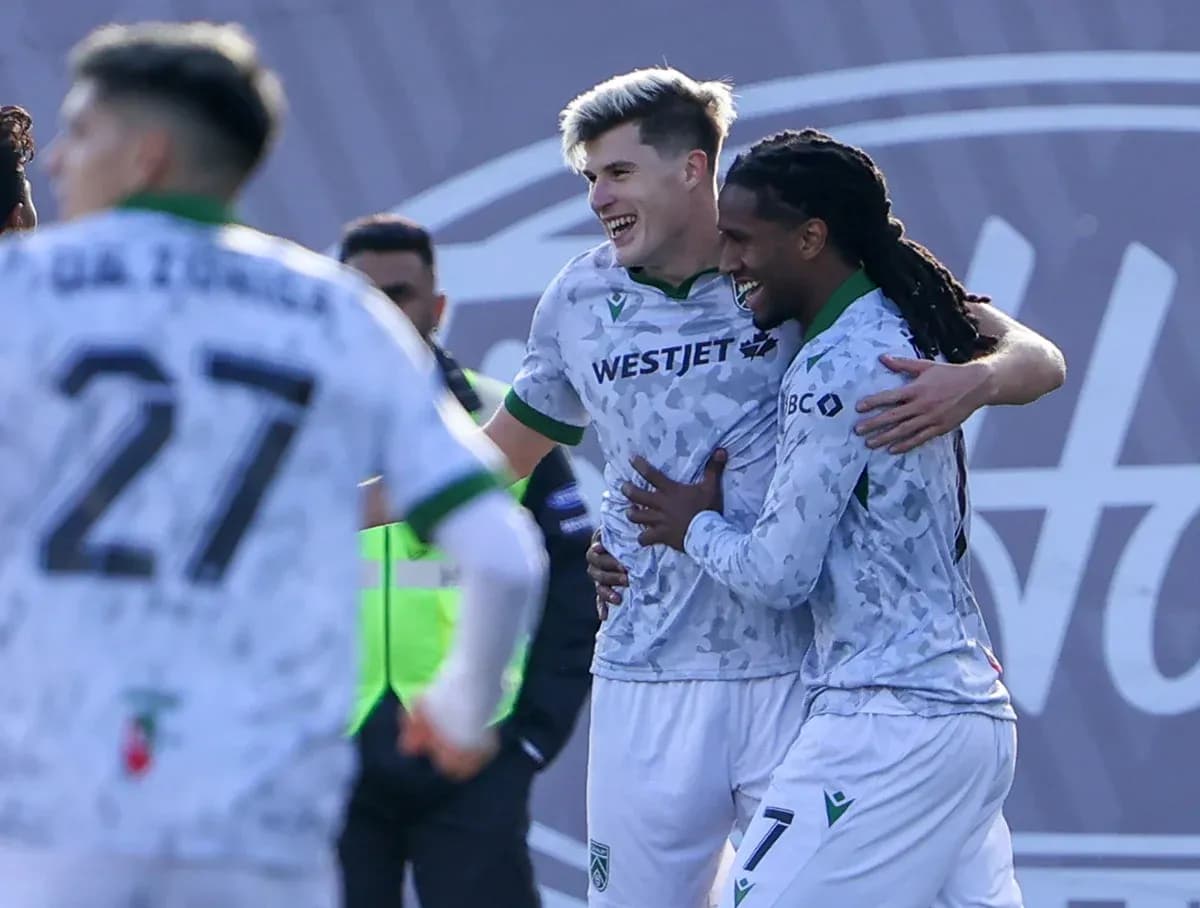
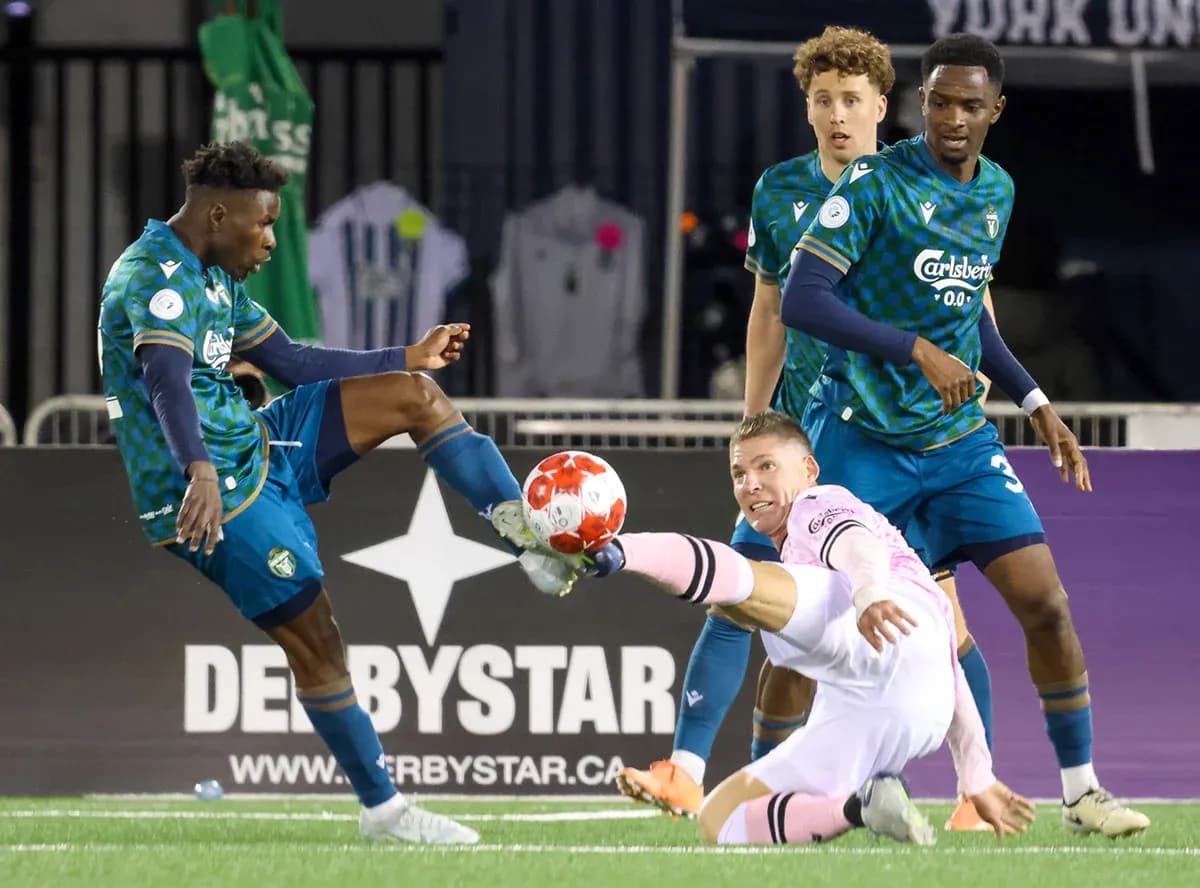
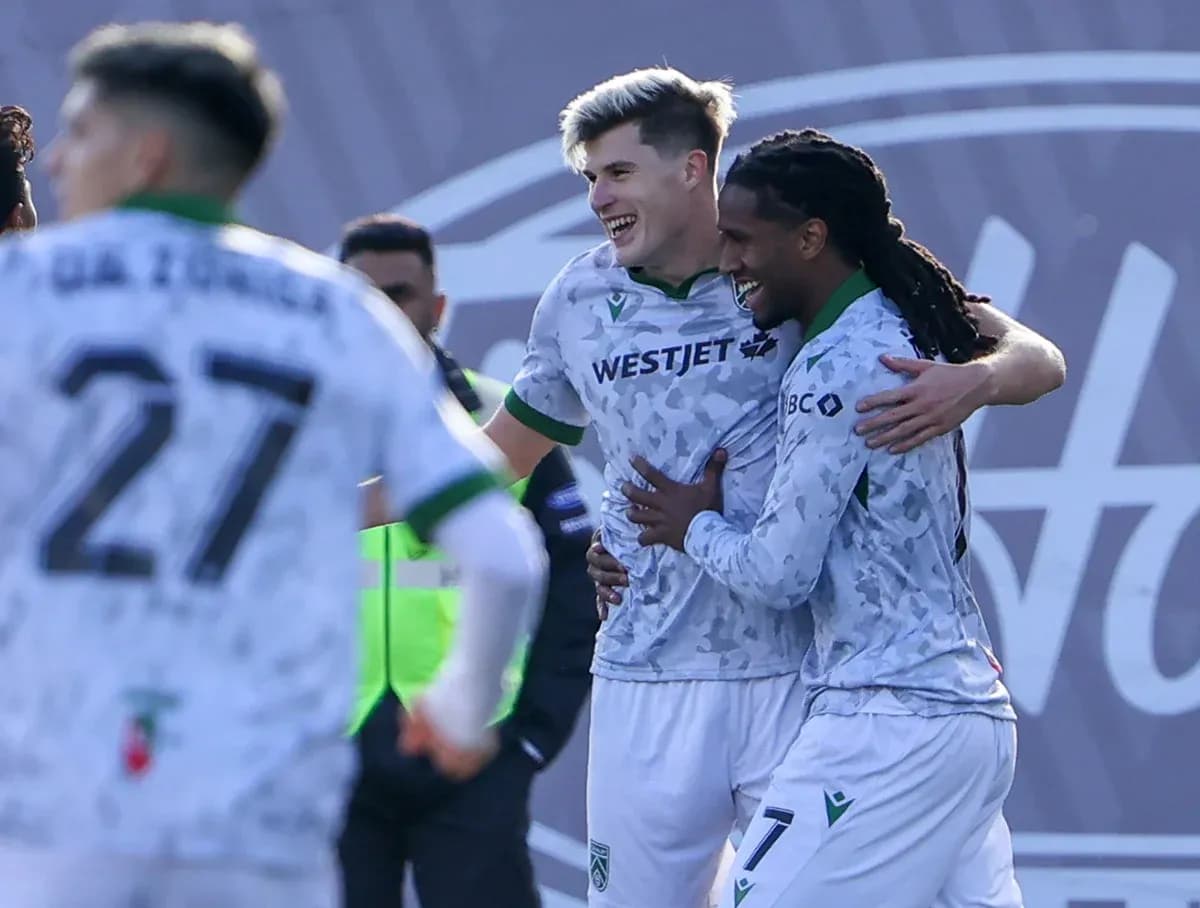
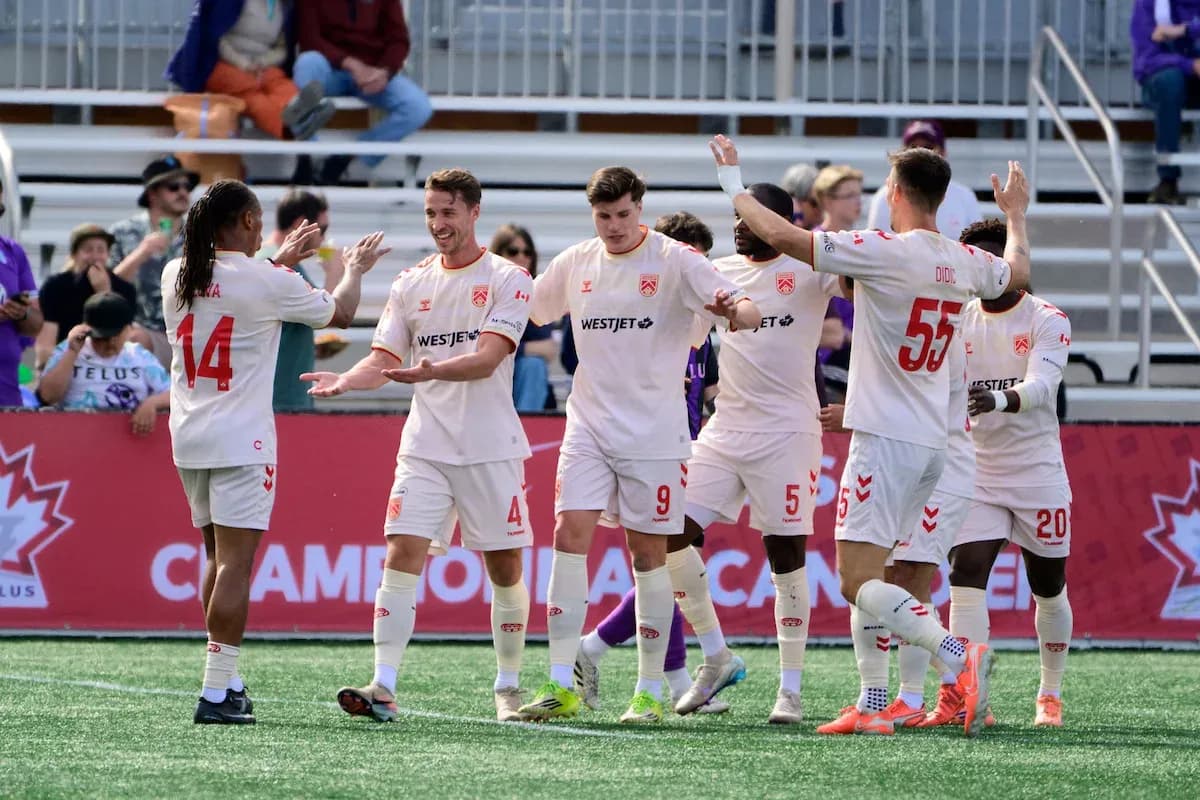
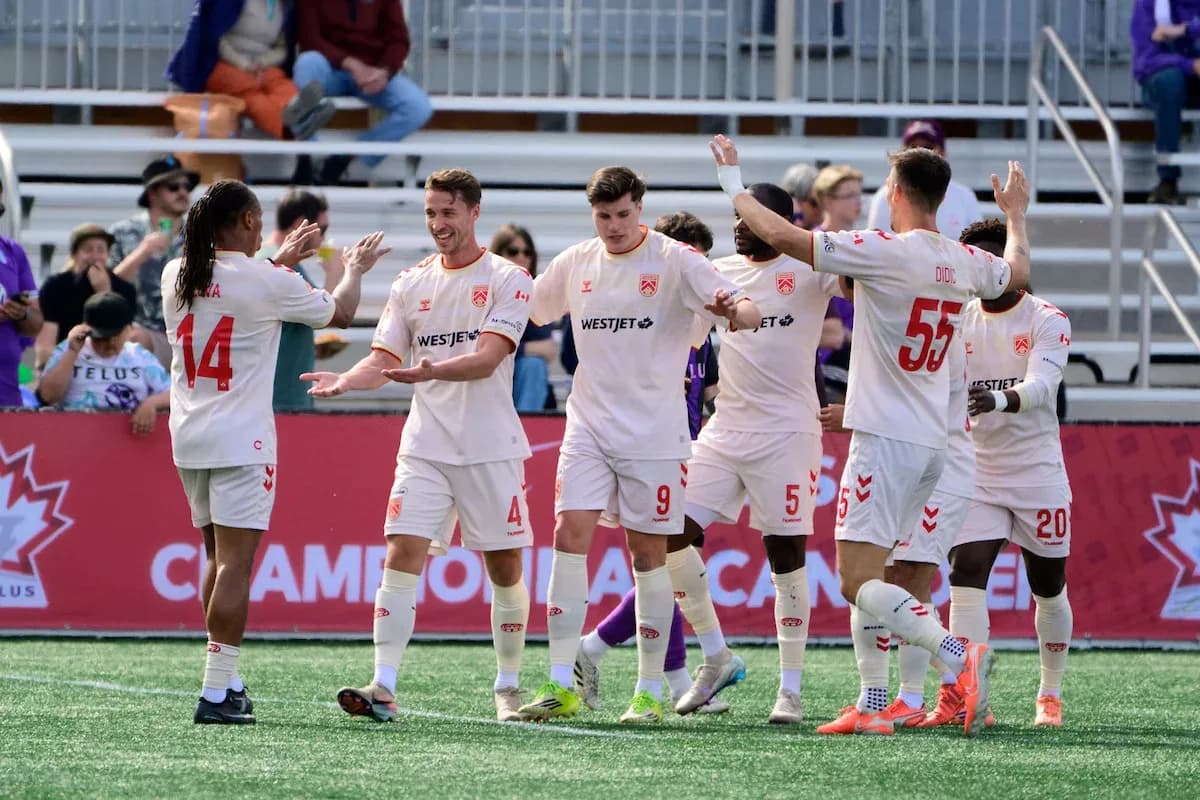
Under the lights at Starlight Stadium, this was a meeting of opposites that played out exactly to type. Pacific FC, bottom of the Canadian Premier League standings in 8th with 10 points and a total goal difference of -18 (25 scored, 43 conceded), hosted a Cavalry FC side that has turned the 2026 season into a procession: 1st place, 49 points, and a total goal difference of +29 from 41 goals for and only 12 against. The Group Stage fixture finished 0–1, a narrow scoreline that nonetheless felt like a confirmation of the broader gap between these squads.
I. The Big Picture: Structures and Seasonal DNA
Pacific lined up in a 4-4-2 under T. Dunfield, a shape they have only used once across the league campaign, a departure from their more familiar 4-2-3-1. It was a statement of intent: two forwards, more direct routes, and a willingness to trade control for presence in the Cavalry box. S. Melvin anchored the side in goal, with a back four of K. Chung, S. Keshavarz, D. Konincks, and C. Greco-Taylor. Ahead of them, the flat midfield four of M. Bustos, M. Piepgrass, R. Juhmi, and Y. Toualy supported the front pair of A. Daniels and R. Kratt.
Cavalry, by contrast, arrived with the calm of a league leader whose identity is fully formed. Tommy Wheeldon Jr. stayed loyal to his preferred 4-2-3-1, a structure that has underpinned 15 total wins in 21 matches. N. Ingham stood behind a defensive line of A. Pearlman, D. Klomp, A. Didic, and B. Kamdem. The double pivot of S. Camargo and E. Kobza protected the centre, while the attacking trio of N. Myroniuk, T. Warschewski, and N. Edwards floated behind lone striker C. Elva.
The season numbers framed this as a siege. Heading into this game, Pacific had managed just 1 total win in 21 fixtures, with a total scoring average of 1.2 goals per match and a total concession rate of 2.0. At home, they had played 11 times, winning 1, drawing 2, and losing 8, with 13 goals scored and 21 conceded. Cavalry, meanwhile, travelled with the aura of inevitability: 7 away wins from 11, only 2 away defeats, 18 away goals scored and just 6 conceded, an away defensive average of 0.5 goals against per game.
II. Tactical Voids and Discipline
For Pacific, the tactical void is structural as much as personnel-based. Their season-long form line — a grim sequence of defeats punctuated by rare draws — reflects a side that concedes too easily and rarely keeps games under control. They have only 1 total clean sheet all season, and none at home. That fragility forced Dunfield into a more conservative back four, with full-backs Chung and Greco-Taylor asked to choose their moments carefully.
Discipline has also been an undercurrent to Pacific’s struggles. Their card profile in the league shows a heavy late-game tilt: 17.07% of their yellow cards arrive between 76–90 minutes, and a further 24.39% come between 91–105 minutes, a clear sign of a team that often ends matches chasing and overreaching. Red cards tell a similar story: 66.67% of their dismissals occur in the 76–90 window, and another 16.67% in added time. The presence of high-card figures in the squad — R. Juhmi with 6 yellows, and defenders like C. Greco-Taylor with 5 — underlines how often their resistance frays late.
Cavalry’s aggression is more controlled. Their yellow cards are most frequent between 46–60 minutes (23.40%), suggesting a side that ramps up intensity early in the second half rather than losing its head late on. They have only 1 red card in the league, coming in the 31–45-minute band, and the likes of Kobza and H. Paton, both on 7 yellows, walk the disciplinary tightrope as enforcers rather than liabilities.
III. Key Matchups: Hunter vs Shield, Engine Room Battles
The “Hunter vs Shield” narrative in this fixture sits slightly askew, because Cavalry’s most prominent scorers in the data are not traditional centre-forwards. T. Warschewski, with 4 total goals and 3 total assists, is the creative spearhead, leading the league charts for key passes and acting as a roaming threat between lines. His duel with Pacific’s central defenders, particularly Konincks, was pivotal. Konincks, who has 3 total goals and a reputation for strong aerial work and 5 blocked shots, needed to be perfect in timing and positioning to keep Warschewski from finding pockets and slipping runners in behind.
On the other side, Pacific’s most dangerous finisher on the season is A. Díaz, with 5 total goals and a perfect record from the spot (3 total penalties scored, none missed). He began on the bench here, a reminder of how Pacific’s attacking identity is still unsettled. The starting duo of Daniels and Kratt had to stretch Cavalry’s centre-backs, especially Klomp, who has 4 total goals of his own and a towering presence in both boxes. Klomp’s 5 blocked shots and 12 interceptions in league play speak to a defender who reads danger early and steps out decisively.
The engine room was where Cavalry quietly won the night. The pairing of Camargo and Kobza offered a balance Pacific struggled to match. Kobza, one of the league’s most carded players with 7 yellows and 1 yellow-red, plays on the edge but also brings 13 tackles, 5 blocks, and 8 interceptions. His brief was simple: disrupt Pacific’s transitions, particularly cutting supply lines into Bustos and Toualy. Camargo, more progressive, helped Cavalry turn regains into structured attacks.
For Pacific, Juhmi’s role at the base of midfield was crucial. With 20 tackles and 8 interceptions, he is their primary ball-winner, but his 16 fouls committed and 6 yellow cards show the cost of being constantly under siege. Against Cavalry’s layered midfield, he had to cover vast spaces, often leaving Pacific’s back four exposed whenever he was dragged wide.
Out wide, the creative duel between Toualy and Pearlman hinted at Pacific’s best route forward. Toualy leads the league in assists with 5, built on 11 key passes and 20 successful dribbles. His mandate was to isolate Pearlman, who, for all his defensive solidity (26 tackles, 6 successful dribbles going the other way), can be turned if left one-on-one. But Cavalry’s structure, with Kobza sliding across and Edwards tucking in, often doubled the channel and blunted that threat.
IV. Statistical Prognosis and Tactical Verdict
Even in a 0–1 scoreline, the broader statistical currents were visible. Cavalry’s total defensive record — 9 clean sheets, only 12 total goals conceded at 0.6 per game — translated almost seamlessly into another controlled away performance. On their travels they concede just 0.5 goals per match, and Starlight Stadium became the latest site of that suffocating template: early control, midfield dominance, and a back line that rarely breaks its shape.
Pacific, for all their effort, mirrored their season-long pattern. They score 1.2 total goals per game but concede 2.0; at home, that rises to 1.9 conceded per match. Failing to find the net here underscored a recurring problem: they have failed to score in 6 total league matches, and when they do not get early joy, their structure tends to unravel.
In tactical terms, this fixture looked like what the numbers had long been predicting. Cavalry’s 4-2-3-1, with its disciplined double pivot and flexible attacking band, remains the league’s reference model. Pacific’s experimental 4-4-2 offered some promise in the channels, but without sustained control in midfield and with a defence that has only 1 total clean sheet all season, they were always walking a tightrope.
Following this result, the storylines diverge further. Cavalry continue to look every inch the champion-in-waiting: compact without the ball, ruthless in key moments, and mentally secure enough to close out tight away wins. Pacific, by contrast, must find a way to turn the individual qualities of players like Bustos, Toualy, Díaz, and Konincks into a coherent, resilient structure. Until they do, nights like this — narrow in score, but decisive in narrative — will keep defining their campaign.