Carragher Questions Manchester United's Strategy on Tielemans and Fernandes
Jamie Carragher has questioned Manchester United’s summer strategy, casting doubt on both the timing of Youri Tielemans’ arrival and the club’s decision to walk away from Mateus Fernandes.
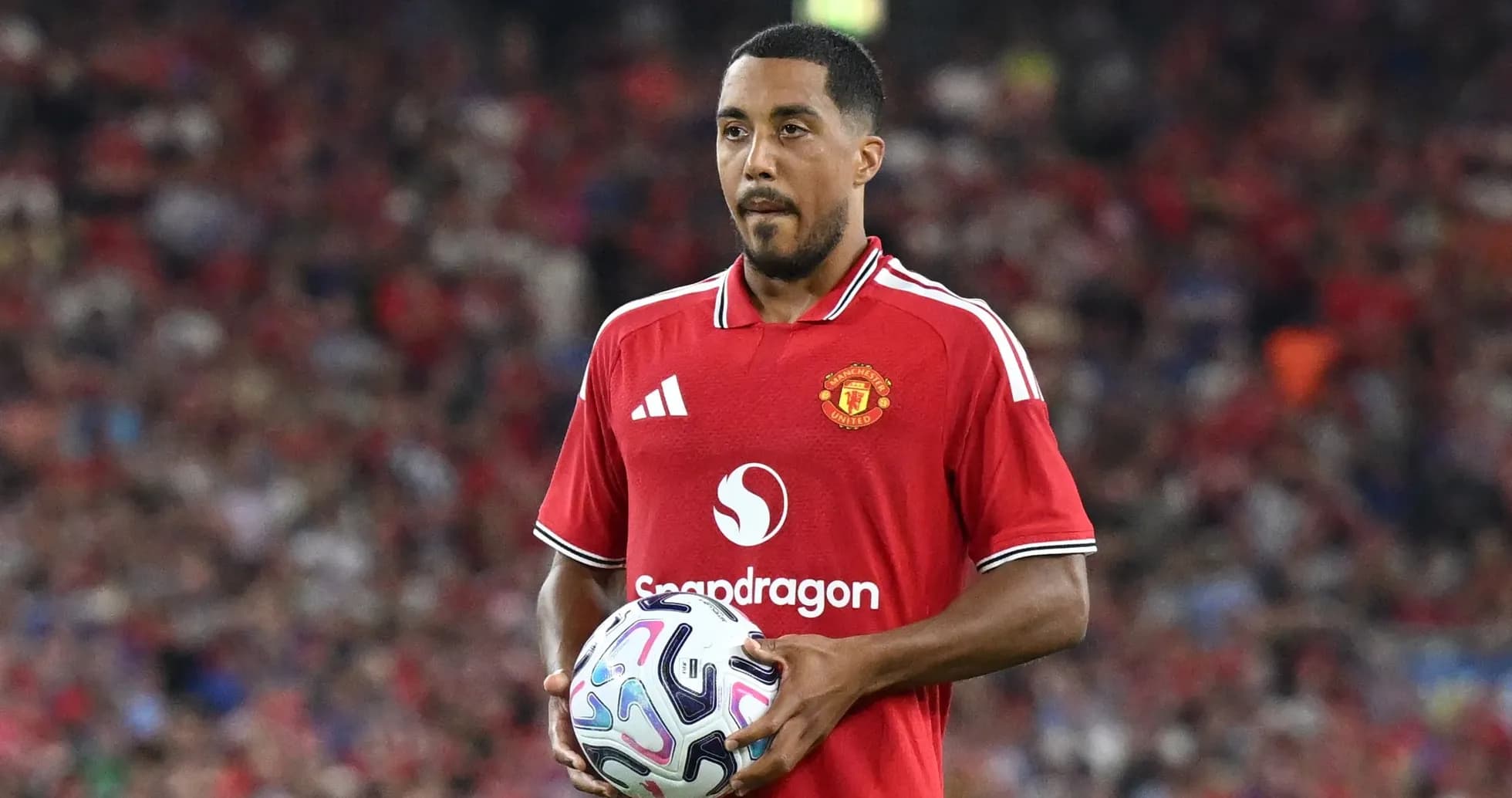
The former Liverpool defender believes Tielemans’ £35m move from Aston Villa to Old Trafford feels back-to-front, a transfer that has landed at the wrong stage of the Belgian’s career rather than the wrong club.
Carragher: “It feels the wrong way round”
Speaking on The Overlap, brought to you by Sky Bet, Carragher described the moment the thought struck him while flicking between games.
"The thing with Tielemans, I was watching the [UEFA] Super Cup [between PSG and Aston Villa] and I’d just seen that Man United were on ITV playing Leeds, so I put it on.
"It just came to me a little bit - Tielemans was taking a corner, and it come to me, he’s a good player, don’t get me wrong. But you’d almost feel like he should have been at United a few years ago, then gone to Villa – not being at Villa, then gone to United.
"I’m not saying he’s had his best days, but it almost felt like the wrong way round. The last three years should have been at United, and then he gets sold to Villa."
United have committed to Tielemans with a five-year deal as part of Michael Carrick’s attempt to reshape his midfield. Yet Carragher’s point bites at the perception of the move: a player who once looked destined for a superclub finally arriving after the peak of his hype, rather than at the start of it.
Fernandes deal leaves more questions
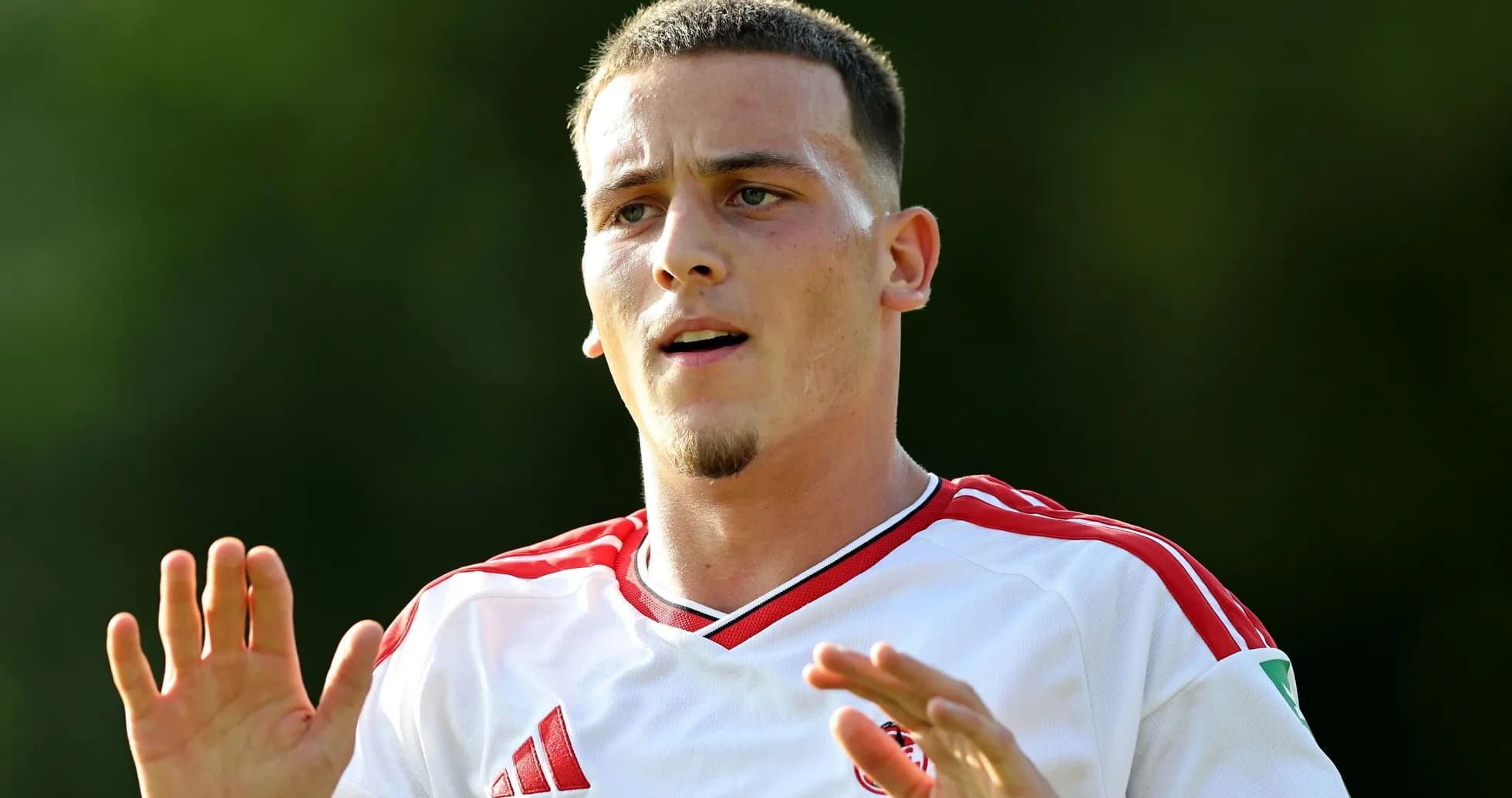
Carragher’s scepticism did not stop with Tielemans. He also took aim at United’s failure to land Mateus Fernandes, who instead joined Tottenham Hotspur in one of the window’s headline transfers.
United held talks with West Ham over the Portuguese midfielder but backed away from the £85m asking price, leaving Spurs to close the deal. For Carragher, that retreat jarred with a club that insists it wants to build an elite midfield.
"I was a little bit worried when I saw United linked with Fernandes because I thought that could be a good signing," he said.
"I just looked at him and his age and was surprised United didn’t go for Fernandes.
"They said it was too expensive but was it that expensive? I know £85m is a lot but you’re never going to get a really top midfielder now for £50m."
In other words, if you want the finished article – or someone who can become it – you pay the going rate. United, in Carragher’s eyes, stepped back when they needed to step in.
Scholes points to glaring gaps
Paul Scholes, another former United great and another voice on The Overlap, underlined the sense that the squad still looks light in key areas despite the headline arrivals.
"A priority position for United... think of a position where it’s needed most," Scholes said.
"We’ve got players who can cover the forward areas - I think [Matheus] Cunha can play centre-forward, and [Bryan] Mbeumo can play centre-forward. And you’ve still got - I don’t know what’s going to happen with Marcus Rashford, but again, there’s another option in that area. I still think either centre-half or central midfielder is a priority.”
The attack, in Scholes’ view, can be patched together. The spine cannot. Centre-half and central midfield remain the fault lines that could define United’s season.
Tielemans under the spotlight
All of this swirls around Tielemans before he has even kicked a competitive ball for his new club. He arrives as a seasoned Premier League performer, a player trusted to dictate games and add control. Yet he also walks into a dressing room where supporters have been promised a “midfield revolution” and into a debate framed by pundits who wonder if United have again shopped a year or two too late.
As United prepare to open their Premier League campaign against newly-promoted Hull City on Saturday, the scrutiny will be immediate. Carragher has drawn his line. Scholes has highlighted the gaps.
Now it falls to Tielemans, and to United’s reshaped core, to show whether this rebuild is simply out of sequence – or fundamentally out of step with where the club wants to go.