Carolina Core's 2–1 Comeback Victory Over Chicago Fire II
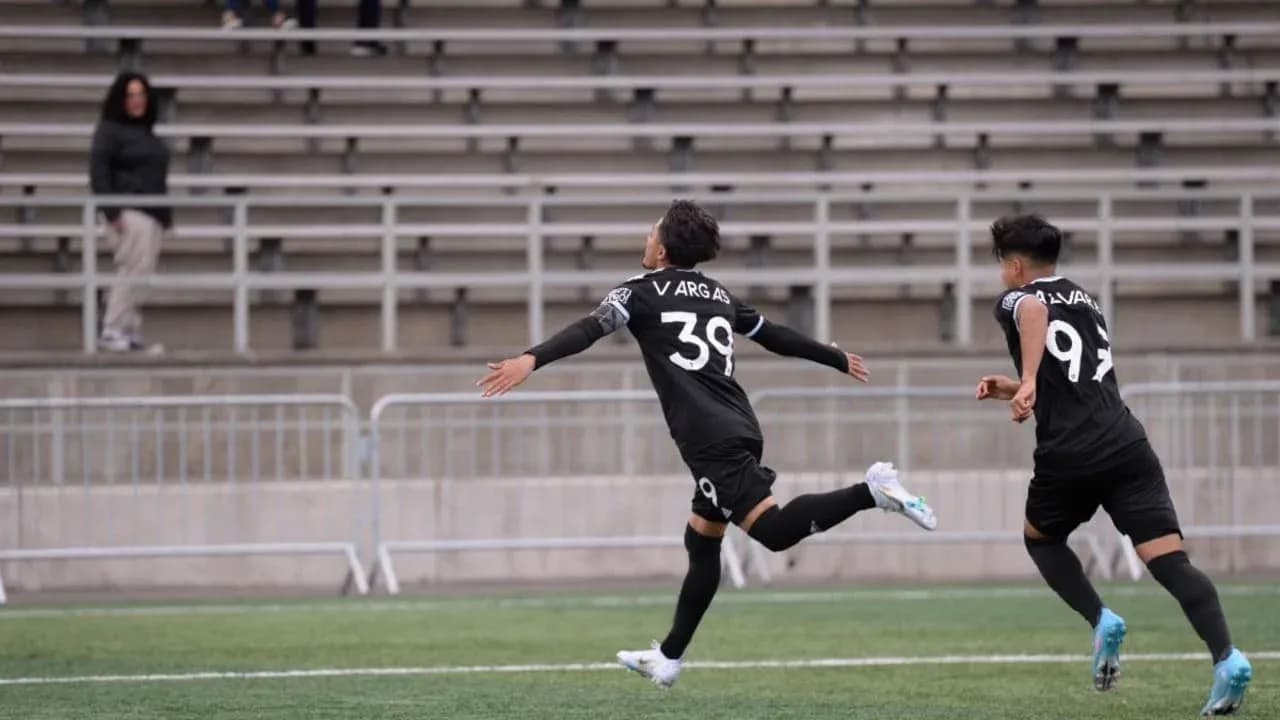
Under the lights at Truist Point, Carolina Core’s 2–1 comeback over Chicago Fire II felt less like a routine group-stage fixture and more like a small act of rebellion against the season’s narrative. Heading into this game, Carolina were a side defined by struggle: 10 matches played overall, just 2 wins and 8 defeats, with a total goal difference of -10 in the league statistics snapshot (13 goals for and 23 against). Chicago, for all their own inconsistencies, arrived with 13 points overall, 5 wins from 10, and a more balanced attacking profile.
Following this result, the story of the night is Carolina’s ability to bend their flawed season DNA into something more resilient. At home they had already shown a split personality: 5 fixtures played, 2 wins and 3 losses, with 9 goals for and 10 against. They were lively going forward at Truist Point, averaging 1.8 goals at home, but conceding an average of 2.0. Chicago, by contrast, were the more stable machine: on their travels they had 2 wins and 3 defeats, scoring 6 and conceding 7, with an away average of 1.2 goals for and 1.4 against. On paper, this should have been a tight, slightly cagey encounter. The reality was more volatile.
Tactical Voids and Structural Choices
Neither lineup came with a declared formation, which tells its own story: both squads are still in a state of tactical experimentation. Donovan Ricketts trusted a spine built around N. Holliday in goal, with N. Martinez, S. Yepes Valle, M. Diakite and J. Caiza forming the defensive base. Ahead of them, the blend of R. Aguirre, M. Zerkane and T. Zeegers hinted at a midfield designed less for control and more for transition, feeding a front line of A. Sumo, A. Tattevin and T. Raimbault.
This is consistent with Carolina’s seasonal profile: a team that does not keep clean sheets (0 in total this campaign) and leans on chaos rather than structure. They have never failed to score at home overall, but they have failed to keep a single opponent out. The tactical void is clear: they can punch, but they cannot protect themselves.
Chicago Fire II’s starting group around J. Nemo, D. Nigg, C. Cupps and H. Berg at the back, with C. Nagle and O. Pineda in the middle, looked more like a classic academy build: technically secure, comfortable in possession, but not yet hardened. Their overall defensive record supports that reading: 16 goals conceded in total, with an away average of 1.4 goals against. Respectable, but not imposing.
Disciplinary trends added another layer. Carolina’s yellow-card distribution this season is scattered but telling: 21.88% of their yellows come between 46–60 minutes, and 18.75% between 76–90. More strikingly, both of their red cards in total have arrived in the 46–60 window, a volatile restart phase after half-time. Chicago’s bookings peak slightly later: 29.41% of their yellows between 46–60, then 23.53% in each of the 61–75 and 76–90 windows. This is a match-up of teams that fray as legs tire and space opens.
Key Matchups: Hunter vs Shield, Engine Room vs Enforcer
Without individual scoring data, the “Hunter vs Shield” duel becomes more collective. Carolina’s home attack, averaging 1.8 goals, was pitted against a Chicago away defence conceding 1.4. On the other side, Chicago’s away attack at 1.2 goals per game faced a Carolina home back line leaking 2.0 on average. The numbers suggested that if Chicago could score first, their marginally better defensive structure might allow them to manage the game.
Instead, the narrative flipped. Chicago’s early advantage at half-time (0–1) mirrored their season pattern: they are often at their best when they can strike early and then manage transitions. But the second half exposed Carolina’s chaotic strength. Players like M. Zerkane and T. Zeegers became the de facto “engine room”, linking phases and pushing the tempo, while A. Sumo and A. Tattevin stretched Fire II’s back line into uncomfortable zones.
For Chicago, the shield was a collective of C. Nagle, O. Pineda and the defensive unit around D. Nigg and H. Berg. Their task was to absorb Carolina’s waves while still providing a platform for R. Turdean, V. Glyut and D. Boltz to counter. Over 90 minutes, that balance failed: conceding twice after leading is a psychological as much as a tactical blow, especially for a team that had already shown streaky form (a three-game winning streak followed by a three-game losing streak overall).
Statistical Prognosis and What It Tells Us
From an Expected Goals perspective, the underlying shapes are clear even without precise xG values. Carolina are a high-variance side: 13 goals scored and 23 conceded overall, no clean sheets, only 2 matches where they have failed to score. Their games are built to overshoot defensive models and invite volatility. Chicago are more measured: 14 goals for and 16 against overall, with 2 clean sheets and just 1 match in which they failed to score. They usually live in the 1–2 goal band at both ends.
A 2–1 home win fits Carolina’s attacking averages and defensive frailty almost perfectly: they hit roughly their home scoring level while still conceding. For Chicago, scoring once away is in line with their 1.2 away average, but allowing two goes slightly beyond their 1.4 away concession norm. That small statistical tilt is the story: Carolina dragged the game into their preferred zone of chaos, and Chicago could not hold their line.
In the broader group-stage arc, this result does not instantly rewrite the standings, but it does reshape momentum. Carolina, previously locked in a pattern of short winning streaks and long losing runs, have a template: lean into the aggression of players like A. Sumo and T. Raimbault, accept defensive risk, and trust that Truist Point’s energy can tilt tight margins. Chicago, meanwhile, must confront a harsher truth: their current balance between control and incision is too fragile. Without a more authoritative defensive block around J. Nemo and his back four, their otherwise respectable attacking metrics will continue to be undermined by late-game lapses and an inability to close out leads.