Bayern Munich Wins Supercup: Neuer's Risks and Brown's Impact
Bayern Munich have their first piece of silverware for 2026/27. It is only the Franz Beckenbauer Supercup, but it came with a pointed message. A 2-1 win at Signal Iduna Park over Borussia Dortmund, built on a ruthless first half and just enough resilience after the break.
Nathaniel Brown struck on 28 minutes, Michael Olise added a slick second in first-half stoppage time, and for a long spell Bayern toyed with their hosts. Fabio Silva’s reply on 75 minutes narrowed the scoreline, not the questions facing BVB.
Neuer: still world-class, still a live wire
Manuel Neuer has lived his entire career on the edge. That high line, those sweeping runs, the insistence on playing as an extra outfield player – it made him a phenomenon. It still fuels Bayern’s build-up. It also now carries a sharper risk.
The warning signs have been there. The glaring pass straight to Arda Güler in Madrid last April, gifting Real an early Champions League quarter-final goal, was the kind of error that once felt unthinkable. In Dortmund, the pattern reappeared.
After 15 minutes, Neuer tried to find Min-jae Kim with a casual pass across his own box. It was off, badly. BVB pounced, and only Kim’s sharp reaction stopped Bayern conceding a cheap opener. Neuer escaped with a scare.
He did not learn. Late on, with Bayern trying to see the game out, a backpass from Kim should have been routine. Neuer tried to be clever, letting Jobe Bellingham run past with a feint behind his standing leg. It failed. Suddenly Bellingham was through, the stadium roared, and the equaliser seemed inevitable.
Neuer bailed himself out with a brilliant, full-stretch intervention. A classic reflex stop, the sort that still puts him among the very best on the line. But without the lapse in concentration, the heroics would never have been needed.
This is where Bayern’s season gets interesting. Neuer has already hinted this could be his final campaign. Jonas Urbig is in place as the heir, and at 23 is expected to see more minutes than last year. The plan is clear: Neuer for the biggest nights, Urbig eased in around him.
The question is whether those “biggest nights” remain as obvious as they used to be. Neuer’s shot-stopping remains elite; his presence still intimidates. Yet the number of self-inflicted scares with the ball is creeping up. At what point does Kompany decide the risk is no longer worth the reward, even in games that matter most?
For now, Neuer keeps making up for his own chaos. His outstanding close-range save from new signing Konstantinos Karetsas early in the second half was pure vintage. Bayern will hope the balance holds a little longer.
Brown the surprise No. 10 – and a serious weapon
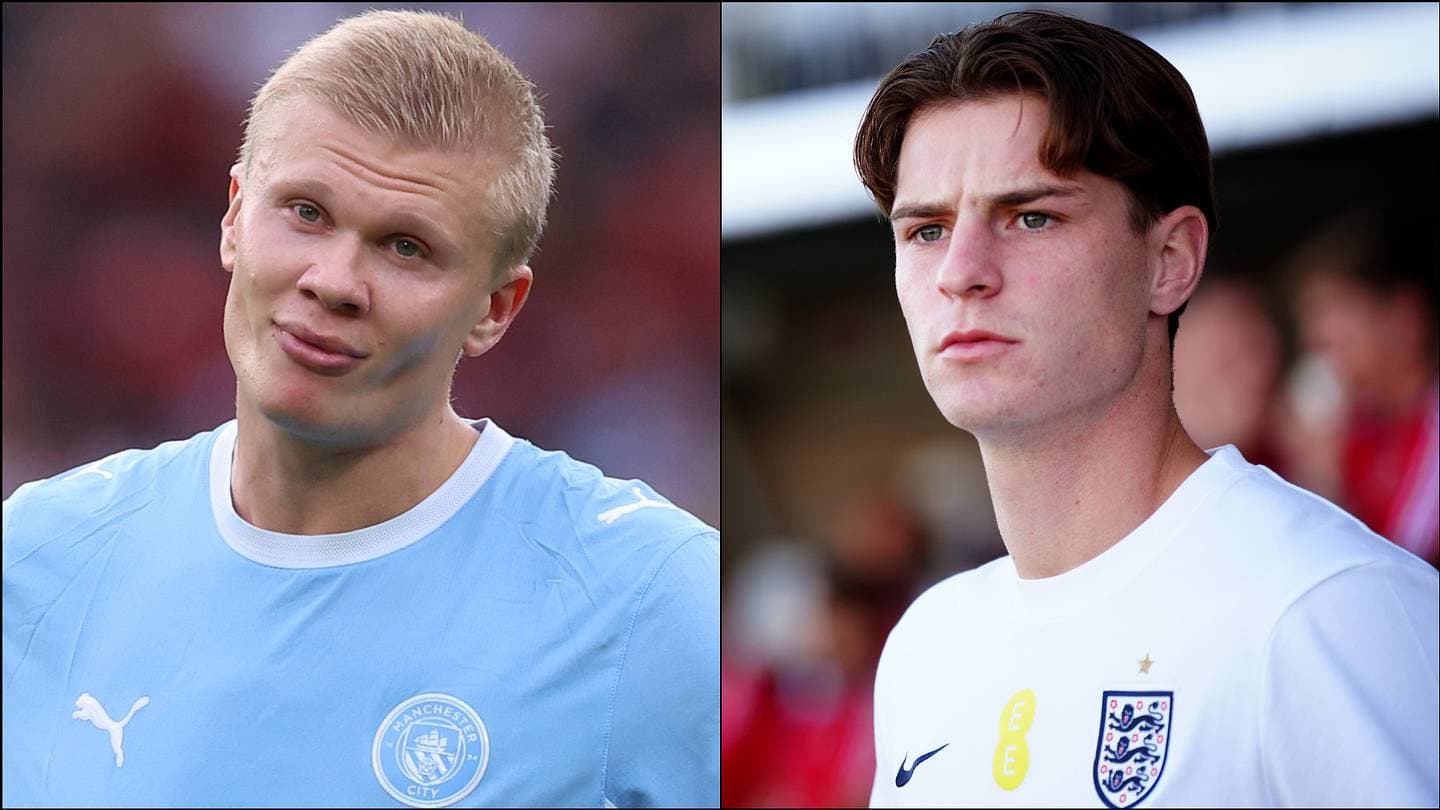
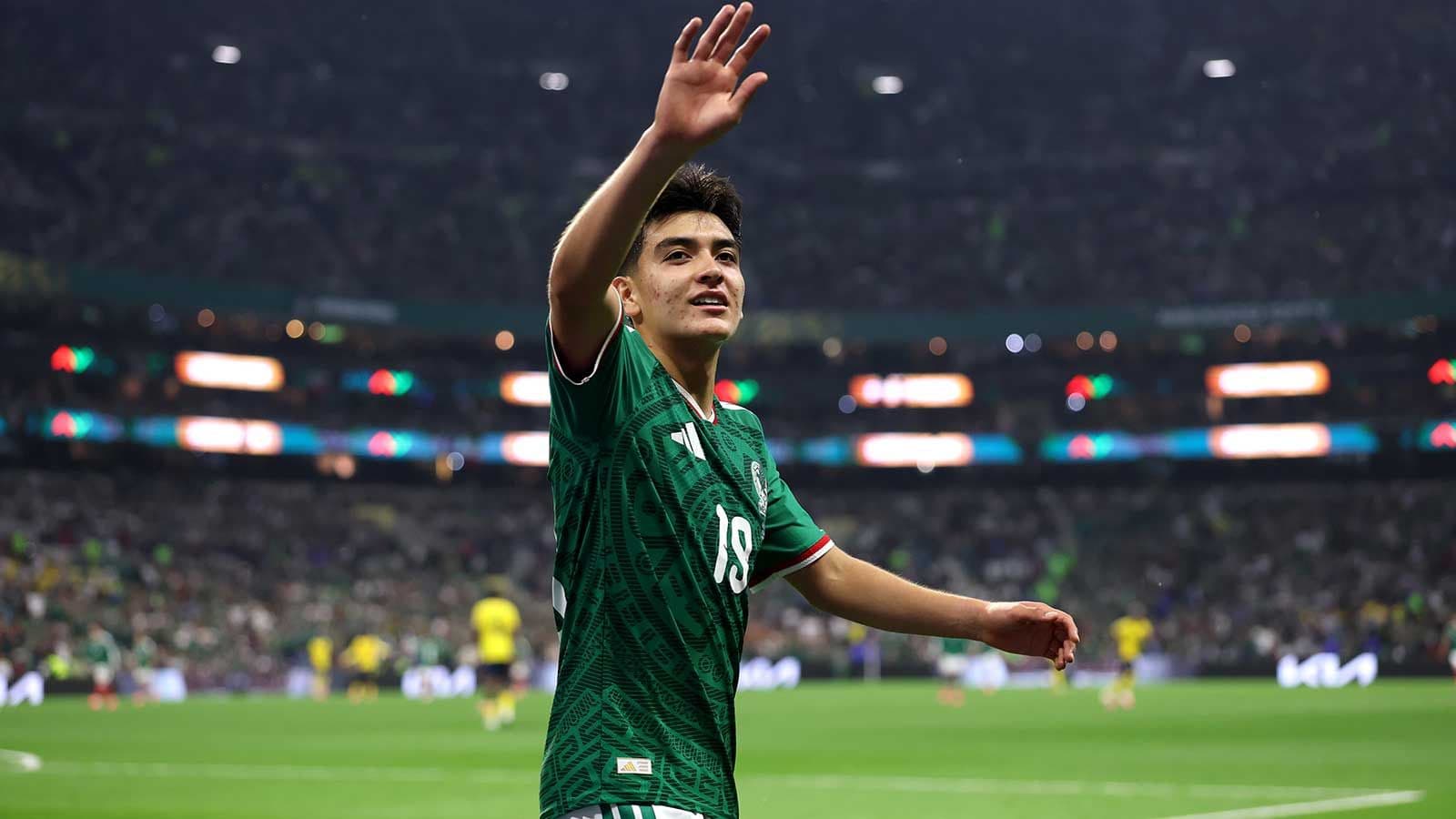
Bayern bought Nathaniel Brown as a left-back. On Saturday, he won them a trophy as a No. 10.
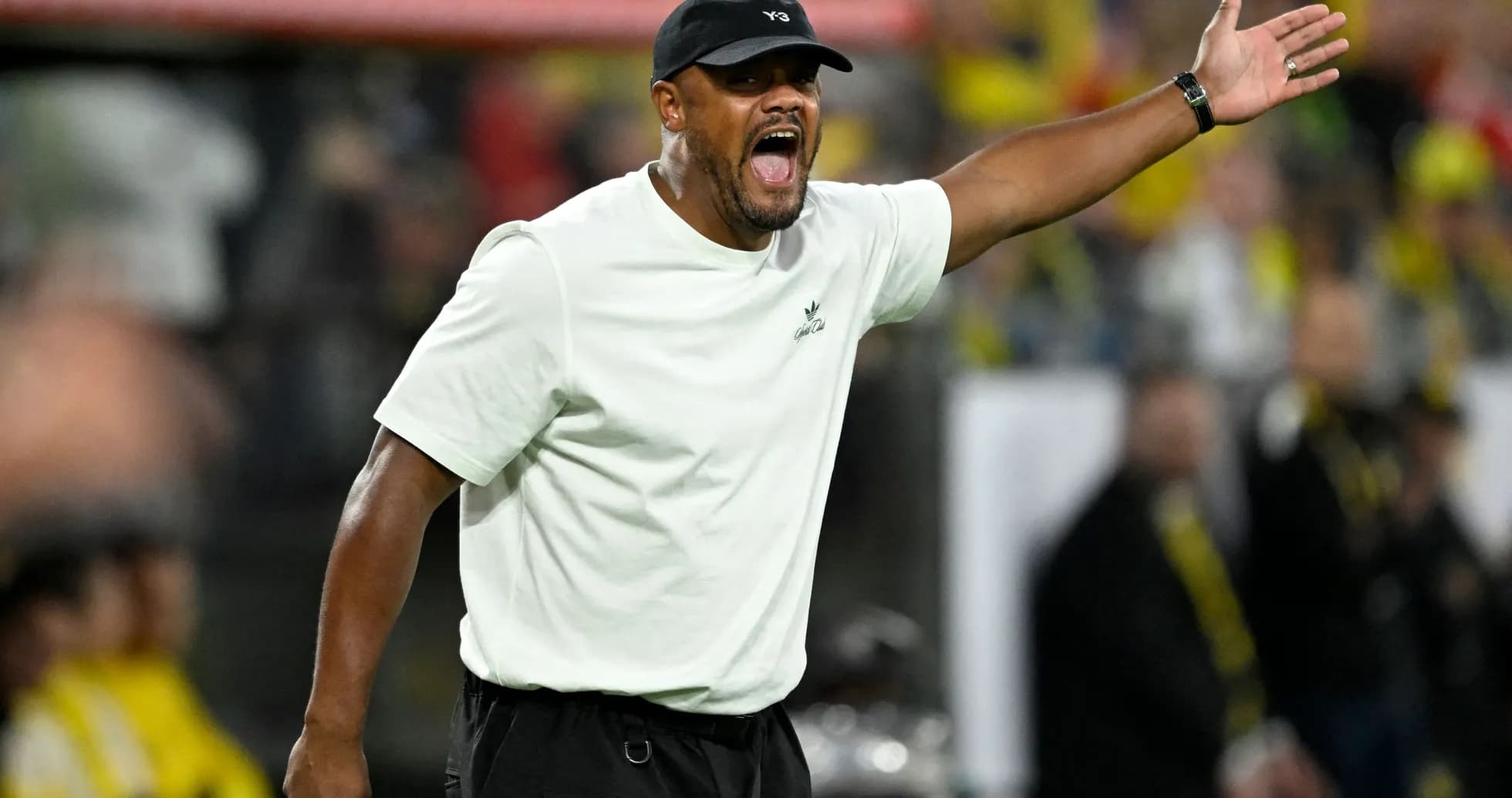
With Jamal Musiala out due to neurological issues that have already caused two worrying collapses in pre-season, and new arrival Ismael Saibari not yet ready to start, most expected Tom Bischof to slot in behind Harry Kane. Vincent Kompany had other ideas.
Brown, the 23-year-old Germany international, was pushed into the central role behind the striker. On paper, it looked like a stopgap. On the pitch, it looked like a plan.
Kompany has made no secret of his thinking. The zones his full-backs occupy, he argues, often mirror those of a classic playmaker. Brown reads those spaces naturally. Bayern’s coach told Sky that whether Brown starts at full-back or as a No. 10, his ability “between the spaces” is a major asset – especially with Serge Gnabry, Lennart Karl and Musiala all missing.
Brown’s performance was not flawless. That would have been unrealistic for someone only weeks into his Bayern career and playing out of position. There were a couple of mistimed runs, a few misunderstandings with Kane and Olise.
But there was also the moment that decided the game. Brown’s opener, struck with authority, underlined why Bayern moved for him in the first place: athletic, technically clean, and unfazed by the stage. First game of note, first trophy, first goal.
More importantly for Bayern, he broadens the squad in all directions. Brown can cover left-back, No. 6, No. 8 and now No. 10. Konrad Laimer offers similar versatility across midfield and both defensive flanks. Josip Stanisic can play either side of a back four and tuck into central defence when needed.
For a club intent on fighting deep into every competition, this kind of flexibility is not a luxury. It is structural. Brown’s night in the hole behind Kane may be remembered as the moment Bayern’s squad depth stopped being theoretical and started winning matches.
Kovac’s wing-back gamble: promise and price
On the other bench, Niko Kovac used the Supercup to push a tactical experiment into a higher gear. He inverted his wing-backs again: left-footed Daniel Svensson on the right, right-footed Julian Ryerson on the left.
The idea is clear. With “wrong-footed” players out wide, Dortmund can drive inside, mimic elite wingers, and threaten with shots or disguised passes instead of predictable crosses. Kovac explained that if left plays left and right plays right, you go outside and cross. Switch them, and you always have the option to cut in and create.
There were flashes of exactly what he wants. In the first half, Ryerson bent a dangerous deep cross from the left towards the far post with his stronger right foot. Ramy Bensebaini got the slightest touch, the ball nestled in the net – and the flag went up. Offside. The move, though, showed how awkward this set-up can be for defenders.
The problem came in the details. With Svensson and Ryerson on their “wrong” sides, the classic full-throttle runs to the byline were rare. Combinations stalled a touch earlier. One big chance summed it up: Bensebaini drilled a low ball from the left, Svensson arrived centrally but had to use his weaker right foot. He mistimed it completely and whiffed the finish. Ryerson, on his stronger side, might have buried it.
Kovac saw enough. At half-time, he flipped them back: Ryerson to the right, Svensson to the left. Dortmund immediately looked more natural, more direct. The pressure grew, the crowd sensed a shift.
The 2-1 goal came from exactly the kind of action that had been missing before the break. Svensson, now back on the left, surged to the byline and cut the ball back intelligently. Silva arrived, unmarked, and did the rest.
Kovac was satisfied with the adjustment, admitting Dortmund “had to change something” and insisting the switch “did us good.” He is right. The second-half version of BVB carried far more threat.
But the first 45 minutes also exposed the trade-off. The inverted wing-back idea gives Dortmund an extra layer in possession, more unpredictability around the box. It also blunts some of their most natural weapons: pace down the line, early crosses, full-blooded overlapping runs.
Kovac will not abandon the tweak after one defeat. Yet he now has a clear picture of what it costs him as well as what it offers.
Silva’s cameo and a transfer call BBV cannot dodge
Up front, another subplot emerged. Serhou Guirassy’s transfer noise has faded, and for now he looks set to stay. His performance, though, echoed the rougher stretches of last season. He worked, he chased, he dropped in. He never really threatened.
After a little over an hour, Kovac made the change. On came Fabio Silva, hunting a spark and, perhaps, a future.
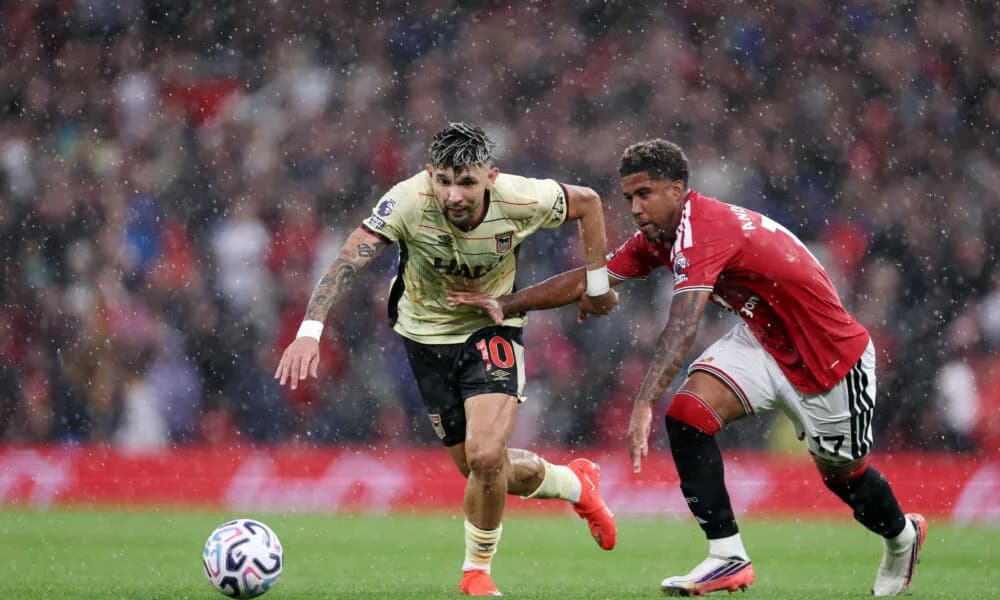
The 24-year-old has shown flashes in his first year at Dortmund without ever fully breaking through. Here, he forced the issue. For his goal, he cleverly drifted a step deeper, found the pocket, then finished with cold precision from close range. One chance, one strike, and suddenly Bayern were wobbling.
It was the kind of cameo that shifts internal conversations. Silva looked sharp, confident, and ready to demand minutes. The complication is that other clubs have noticed too.
Several sides are pushing for him, with Real Betis recently viewed as the most serious suitor. Silva himself is not nailed to the idea of staying, and within Dortmund there is a clear stance: if a suitable offer lands on the table, they would consider letting him go just one year after his arrival.
His display against Bayern muddies that logic. With the summer window entering its final stretch, BVB now have to weigh the risk. Cash in on a saleable asset and scramble for a replacement? Or hold their nerve, keep a forward who just showed he can change a big game, and trust that his second year in yellow and black might finally catch fire?
Bayern walked away with the trophy. Dortmund walked away with a list of decisions that could define their season.