Barcelona's Decision on Marcus Rashford Explained
Barcelona’s call on Marcus Rashford was never about the numbers. Those were good. Very good.
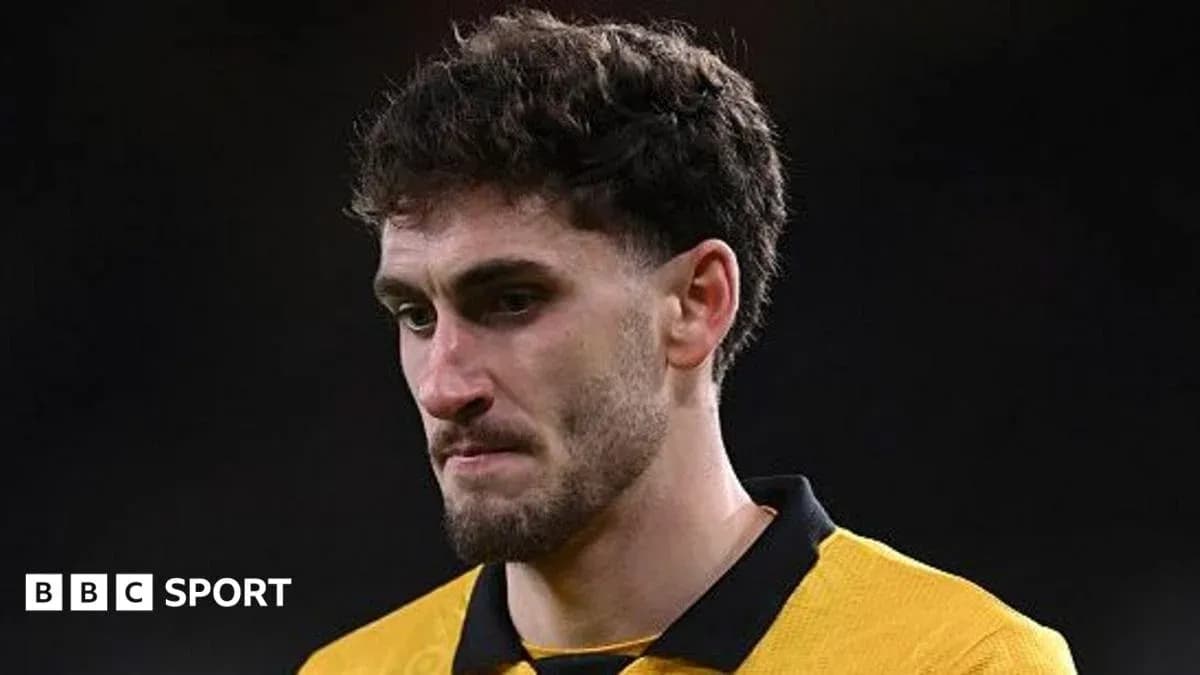
On loan from Manchester United, Rashford closed the 2025/26 season with 14 goals and 15 assists, directly involved in 29 goals as Barcelona lifted both La Liga and the Spanish Super Cup. He was not a guaranteed starter, but he was decisive, often changing games from the left or drifting inside when Hansi Flick needed a spark.
So when Barcelona chose not to make the move permanent, eyebrows went up. Especially when they moved for Anthony Gordon instead.
According to Fabrizio Romano, the decision had nothing to do with a breakdown in trust or a lack of belief from Flick. Quite the opposite. Flick appreciated Rashford, valued his attitude and the way he integrated into the squad, and built a strong relationship with him over the course of the season. Inside the dressing room and on the training ground, the England forward left a positive impression.
That is exactly what makes the club’s choice so striking. Rashford had delivered. He had medals to show for it. Yet Flick’s gaze was fixed on something else.
The German coach wanted a different profile for the long term. He was not just hunting for goals or assists; he was demanding a forward who could stretch across the entire attacking line and switch roles seamlessly during a game, while also locking into Barcelona’s off-the-ball structure with relentless intensity.
Versatility and defensive bite. Those were the two pillars.
From that standpoint, Gordon fit the blueprint better. Barcelona’s staff viewed the English winger as a more complete fit for Flick’s system: able to operate on either flank, comfortable shifting between wide and more central zones, and prepared to put in the defensive work that underpins Flick’s high-energy game model.
The choice, then, was not framed as Rashford out, Gordon in, on pure output. It was a tactical decision, rooted in how Flick wants his attack to function when Barcelona have the ball — and just as importantly, when they do not.