Barcelona's Summer Rebuild: The Search for a Striker
Barcelona’s summer rebuild has been bold, expensive and, in one crucial area, unfinished.
They have loaded the squad with talent. They have not found a striker.
A supercharged squad – with a glaring hole
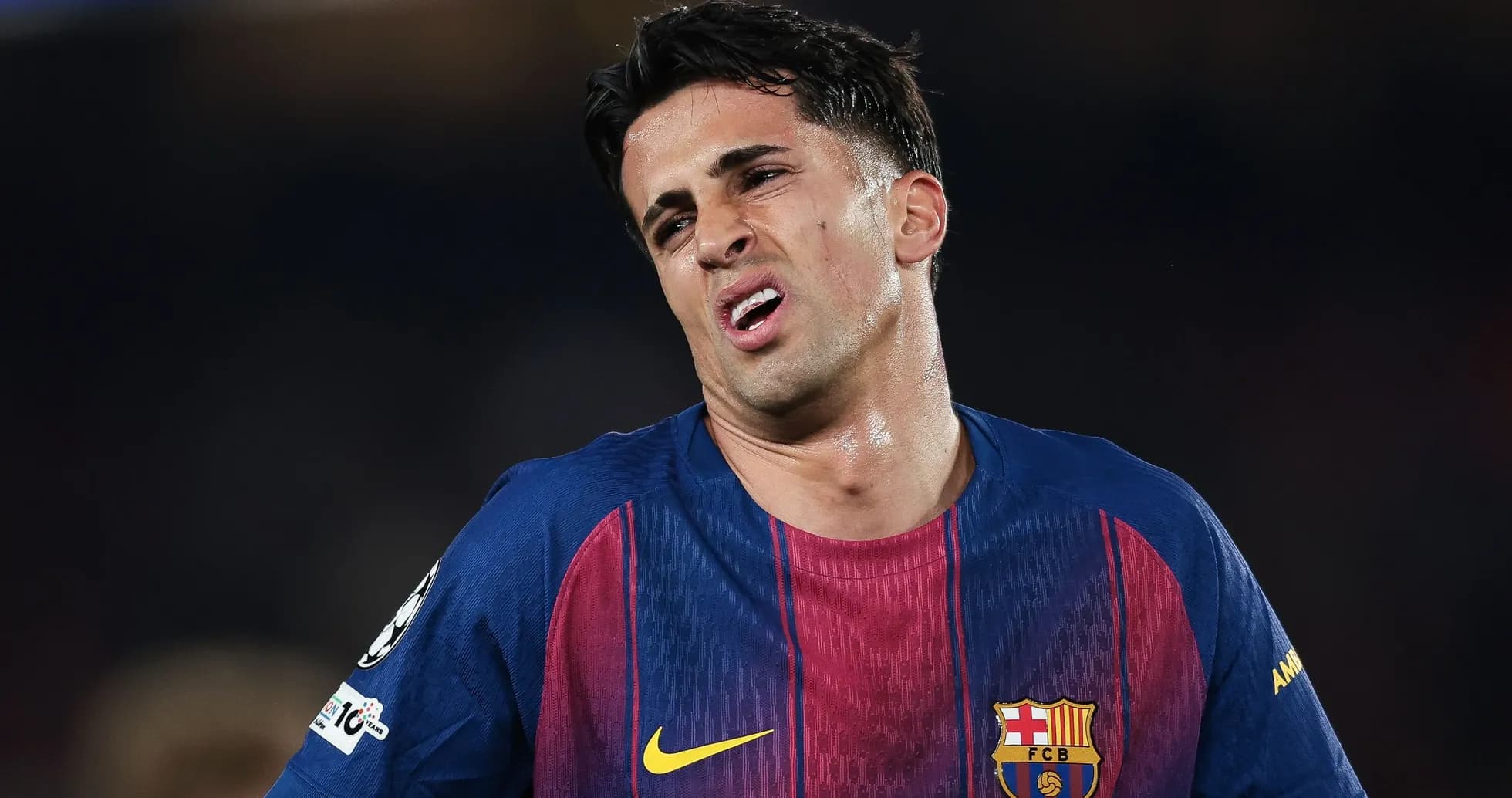
Hansi Flick has walked into a dressing room that looks ready-made for a title defence. Barcelona moved quickly, and aggressively.
Rodri’s arrival from Manchester City changed the tone of the window. A Ballon d'Or winner. A World Cup-winning captain. Dropped straight into a midfield that was already one of the most technically gifted in Europe.
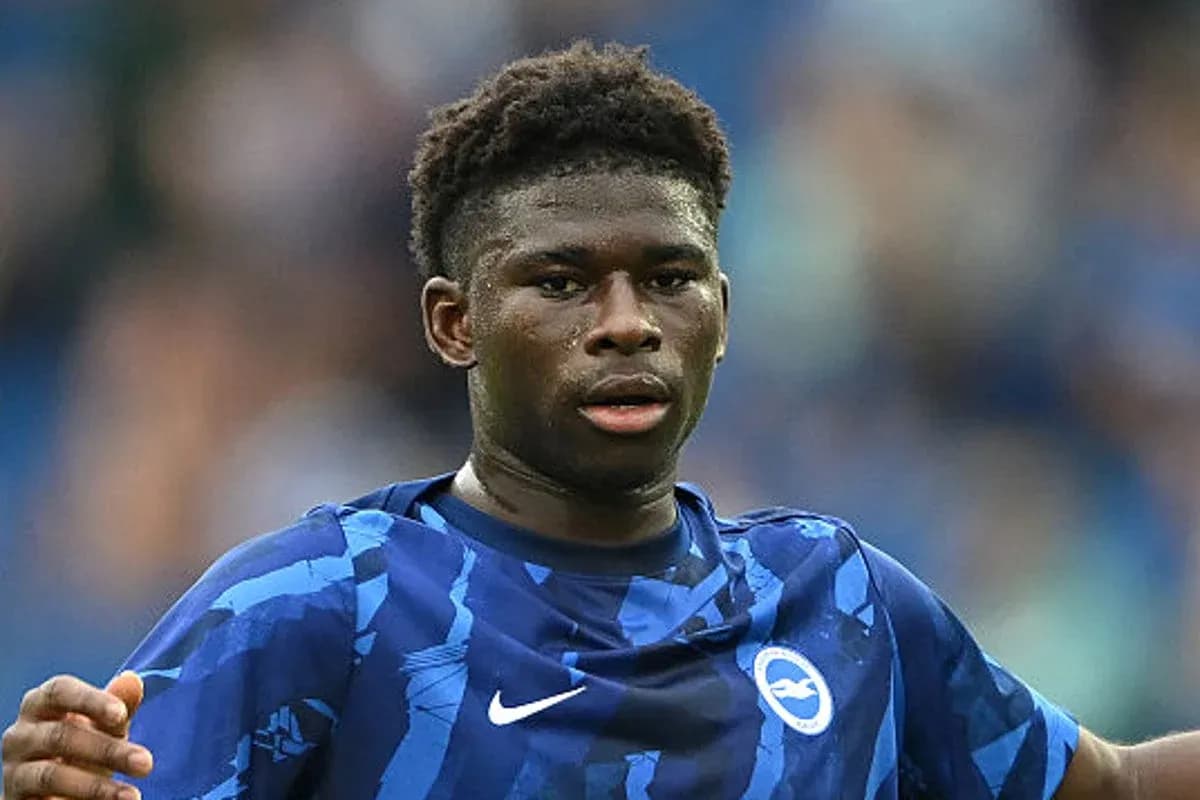
Out wide, they have added pure speed and chaos. Anthony Gordon brings direct running and relentlessness. Karim Adeyemi offers acceleration that can rip open high lines. Behind them, Belgian winger Jesse Bisiwu, just 18, has been brought in as a project, a bet on what he might become rather than what he is now.
On paper, it looks complete.
Then you look down the middle.
There is no number nine.
Life after Lewandowski and Torres
Barcelona open their La Liga campaign away at Elche on Sunday, 23 August. As things stand, they could walk into that game – and into the entire season – without a recognised senior striker if no deal is done before the window shuts on 1 September.
Robert Lewandowski has gone. At 37, the veteran chose a new chapter with Chicago Fire in Major League Soccer after his contract expired at the end of last season. His goals, his presence between the posts, his ability to occupy two centre-backs at once – all of it has disappeared in one move.
Ferran Torres has followed him out of the door, joining Paris St-Germain for about 50m euros (£42.7m). Torres scored 21 goals in 49 appearances last season, often stepping in as the central option when Lewandowski rested or rotated. He was not a classic target man, but he gave Flick and his predecessor a reliable solution in the middle.
Both are gone. Between them, they leave a void that cannot be disguised with a tactical tweak or a clever passing pattern. Barcelona’s first-team squad now has no established senior striker.
The Alvarez obsession
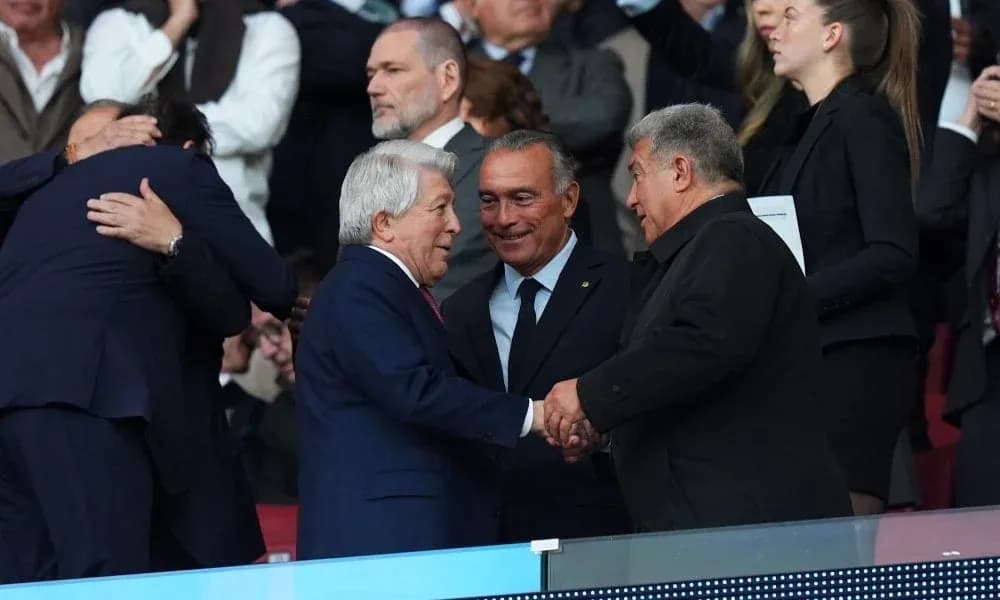
Inside the club, there is no secret about Plan A. Barcelona want Julian Alvarez from Atletico Madrid.
The 26-year-old Argentina international made it clear around the World Cup that he would be open to a move away. That comment lit up recruitment departments across Europe. Real Madrid watched the situation closely. Barcelona pushed.
Atletico’s response was blunt. Chief executive Miguel Angel Gil Marin publicly shut the door, insisting the club would not sell Alvarez – not even for 200m euros (£170.8m). It was less a negotiation stance and more a line in the sand.
So Barcelona sit in an awkward place: their preferred solution is off-limits, their season is days away, and their coach knows the issue cannot be ignored.
“We know we have to do something,” Flick admitted this month.
Flick’s internal fixes
If the market does not move, Flick will have to. The German has already started sketching alternatives inside his own squad.
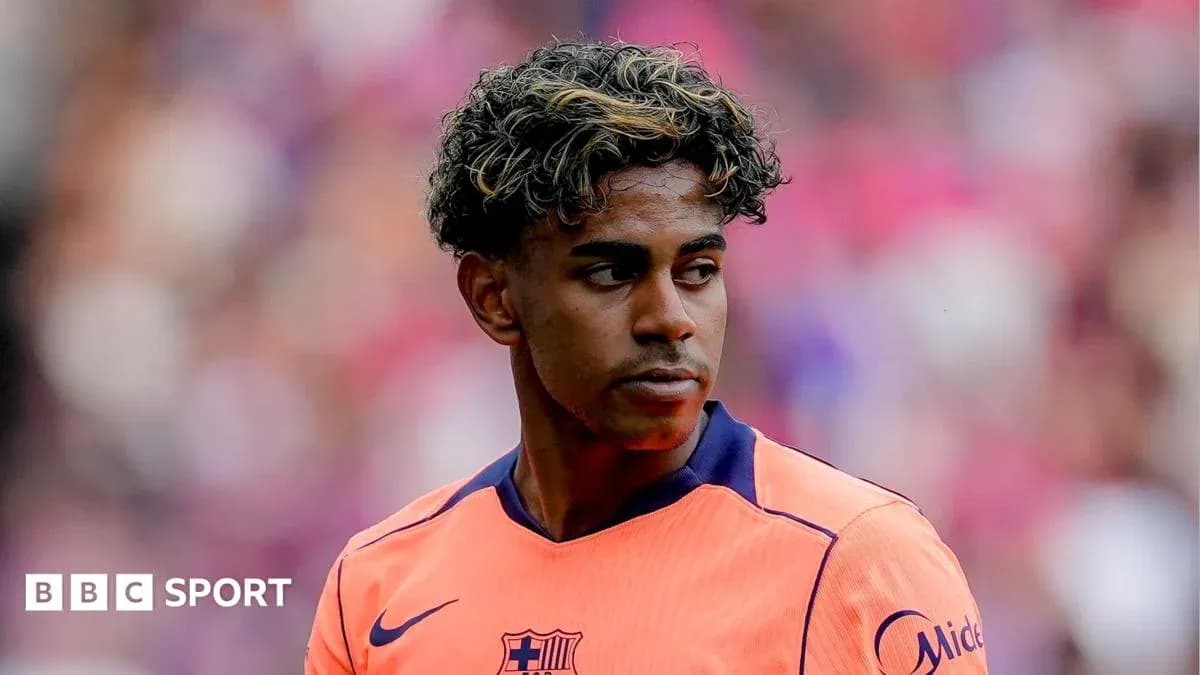
Teenager Lamine Yamal has emerged as Barcelona’s attacking reference point. Last season he scored 24 goals and then went on to lift the World Cup with Spain. At 17, he has already carried the kind of responsibility most forwards only feel in their mid-20s.
Yet his most devastating weapon is not his finishing, but his ability from the right wing: isolating a full-back, cutting inside, creating something from angles that look closed. Flick knows this. His preference is clear – he wants Lamine Yamal operating from that right flank, where he can bend games to his will.
Still, Yamal can play as a false nine if required. So can Dani Olmo, who has the intelligence to drop into pockets and link play. Raphinha has also been used centrally by Flick, tucking inside rather than hugging the touchline.
Fermin Lopez offers another wildcard. He has already said he feels comfortable as a false nine, drifting into advanced positions and breaking lines from deeper areas.
Then there are Gordon and Adeyemi. Both bring searing pace and vertical threat, both can attack the space behind defenders, but neither is a conventional striker who will camp between centre-backs and live off crosses.
A fluid front line – or a missing piece?
One option is obvious: abandon the idea of a fixed number nine altogether.
Flick could lean into a fluid front line, with constant rotation, wide forwards darting inside, midfielders bursting beyond, and no single player locked between the opposition centre-backs. On their best days, such systems are a nightmare to defend. Mark one runner and another appears. Try to press high and they spin in behind. Drop deep and they overload the half-spaces.
With this squad, that approach is tempting. Rodri dictating from midfield, Lamine Yamal tormenting full-backs, Gordon and Adeyemi stretching teams, Olmo and Raphinha drifting into central pockets – it could be beautiful, and brutally effective.
Yet the doubt lingers.
Barcelona know that when the season tightens, when Champions League knockout ties slow to a crawl and league games turn into sieges around packed penalty areas, a specialist striker still matters. Someone who lives in the box. Someone whose entire game is built around finishing the moves others start.
Inside the club, that remains the preferred outcome: a proper number nine who fits the profile, anchors the attack and turns this impressive summer rebuild into a complete one.
The question now is simple and urgent: can Barcelona find that striker before the clock runs out on 1 September, or will Flick be forced to gamble an entire season on improvisation?