Banks Chooses Germany Over USMNT: A Setback for Pochettino
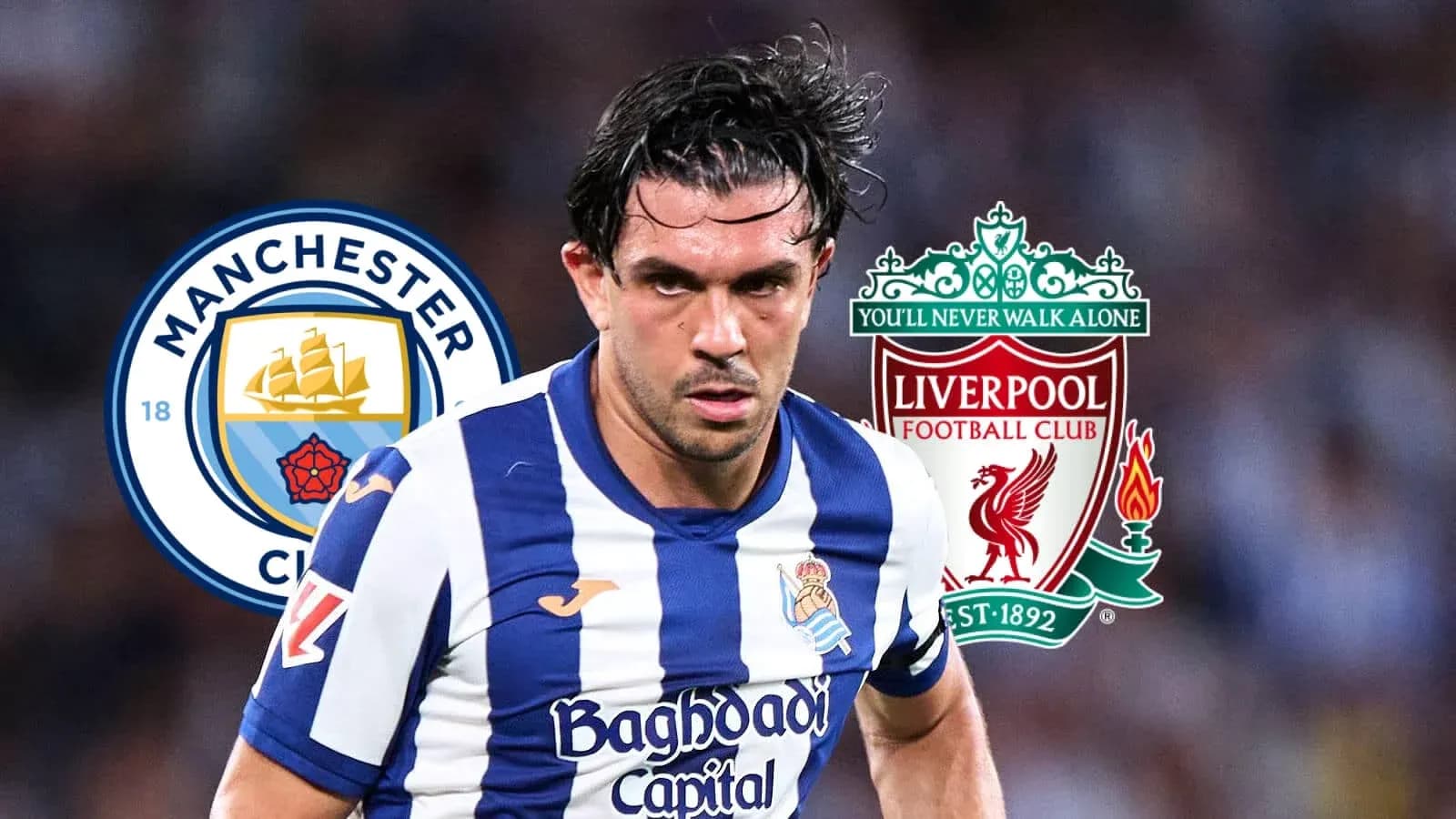
Augsburg’s teenage defender Banks has nailed his colours to Germany, shutting the door on a long-running USMNT pursuit and handing Mauricio Pochettino his first major dual-national setback in charge.
The 19-year-old has filed a one-time switch to represent Germany at U-21 level, formally ending any hope of a competitive appearance for the United States. For U.S. Soccer, which had invested years of scouting and communication in the highly rated centre-back, the loss stings.
Born in Honolulu to an American father and German mother, Banks grew up largely in Europe and moved through German football’s development system. The U.S. still managed to bring him into the fold early: he featured for American youth sides and was even called into the senior squad for friendlies against South Korea and Japan in September 2025. He never got on the pitch. That absence now looms large.
For Pochettino, this wasn’t a decision relayed through agents or intermediaries. It came straight from the player.
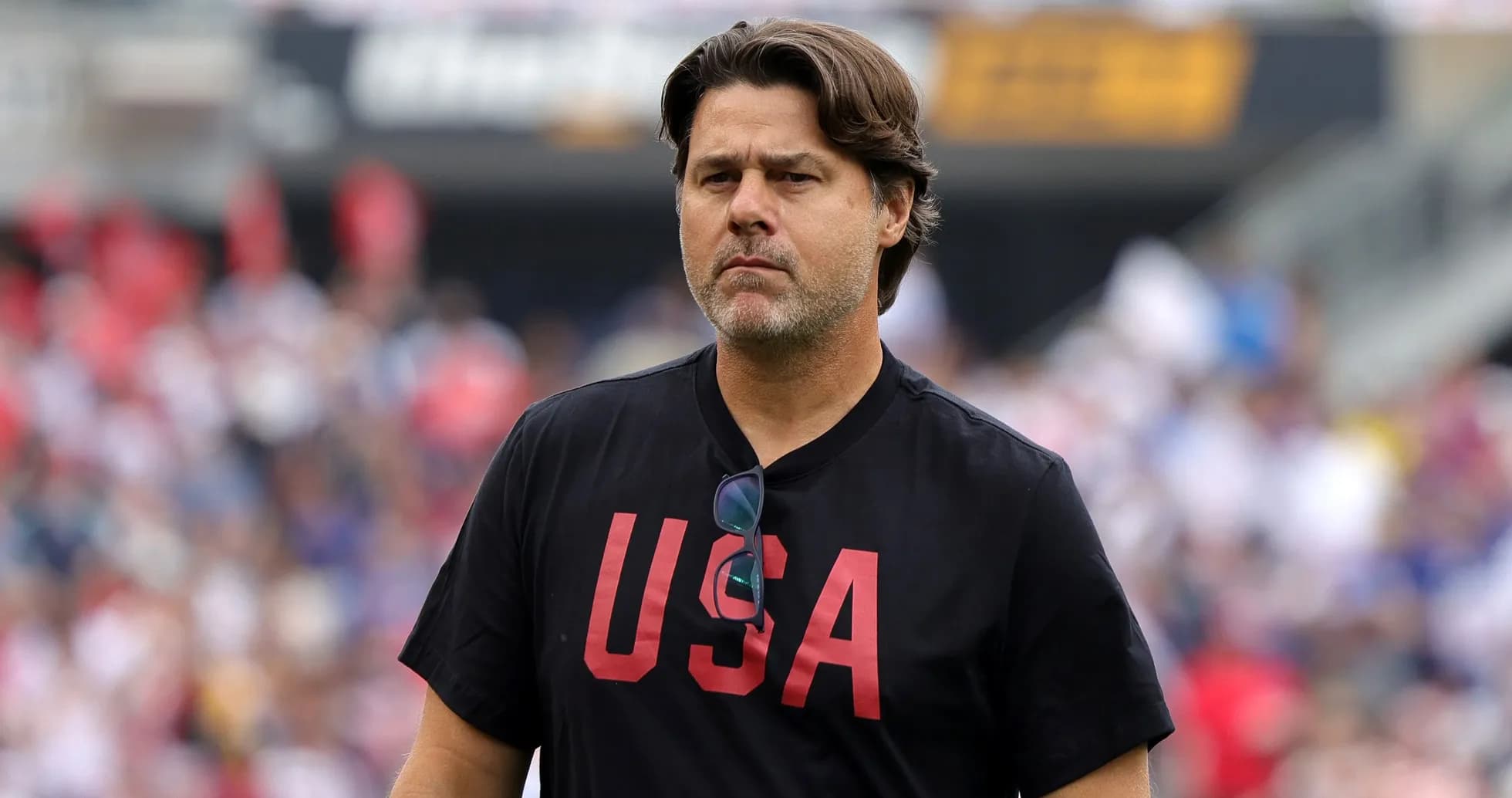
“Yes, he called us. He said, ‘I decide to go for Germany’,” Pochettino said, as quoted by CBS Sports. The Argentine welcomed the clarity but used the moment to underline a broader point about what he demands from his squad.
“We want players that show commitment but commitment is not 50 per cent. It’s 200 per cent,” he said. Banks, he stressed, had at least been upfront throughout a long courtship. “Every time that we contact[ed] him with the possibility to join us, he said, ‘No, still in doubt. I don’t know if I want to pick USA or Germany,’ and he was honest.”
The honesty didn’t soften the competitive blow, but it did sharpen Pochettino’s message.
Pochettino draws a line on commitment
The USMNT is in the middle of a generational reset, with a new coach, a refreshed core and a clear attempt to harden standards around the national-team environment. Dual nationals have been a defining storyline for U.S. Soccer for more than a decade; Pochettino is embracing that reality, but on his terms.
“We want players with no doubt,” he said. “We want players that are committed and desperate to play for the badge and play for us, and that is the most important thing.”
The United States, he acknowledged, will always operate in a space where elite prospects can choose between multiple flags. That won’t change. What can change is how the program responds when one slips away.
“Of course, it’s a thing that we need to deal [with] because we are in a country [where] that happens often but I think that organization is so strong,” Pochettino said. “U.S. Soccer is an organization that is [above] any player, any name, any dual national and I think [what] is the most important that the player [has] no doubt when [they] join us, [there’s] no doubt that they want to die for that chance.”
The message was unmistakable: if there is hesitation, there is no spot.
From rejection to recruitment in New York
If Banks’ decision closed one door, Pochettino wasted no time pushing open others.
On Friday, the USMNT coach was in the stands for the New York derby, sitting alongside former Manchester City boss Pep Guardiola as Red Bull New York edged New York City FC 1-0. It was a symbolic image: one of the game’s most influential managers sharing a night of scouting with the man tasked with shaping the next era of American soccer.
On the field, Pochettino tracked familiar and new faces. NYCFC goalkeeper Matt Freese, who started for the U.S. at the World Cup, drew attention as he continues to build his case as a long-term option between the posts.
But the real intrigue hovered around the home side’s teenagers.
Pochettino closely watched uncapped RBNY prospects Julian Hall and Adri Mehmeti, both highly rated, both dual nationals, both at the stage where a phone call and a clear plan can tilt a career one way or the other. With Banks gone, the urgency around this kind of recruitment only intensifies.
U.S. Soccer knows rival federations are circling the same players. The race isn’t just about caps or call-ups anymore; it’s about convincing the next wave that the badge is worth choosing, and worth choosing without a second thought.