Atlétíco Ottawa vs Pacific FC: A Goalless Draw Analysis
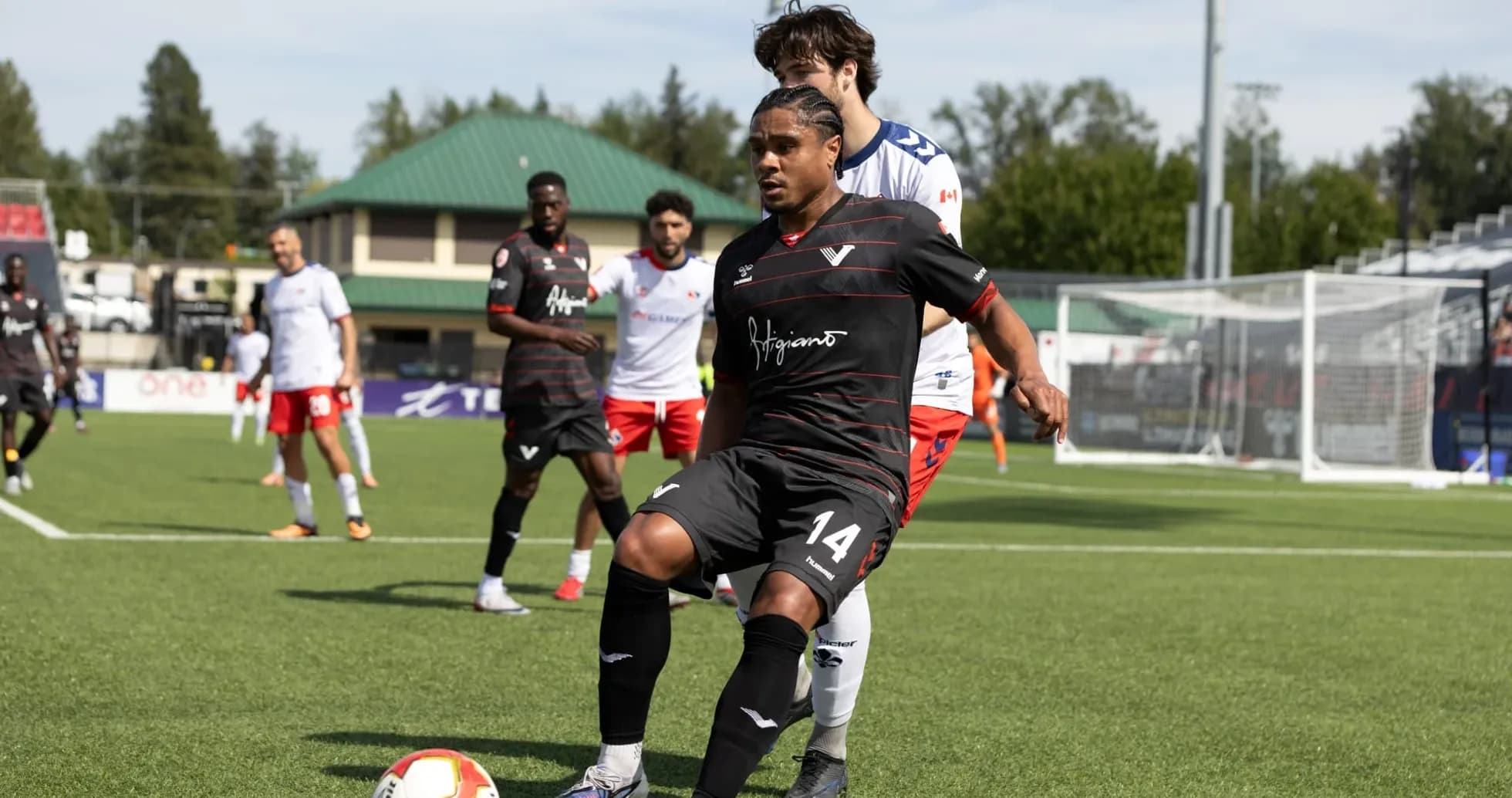
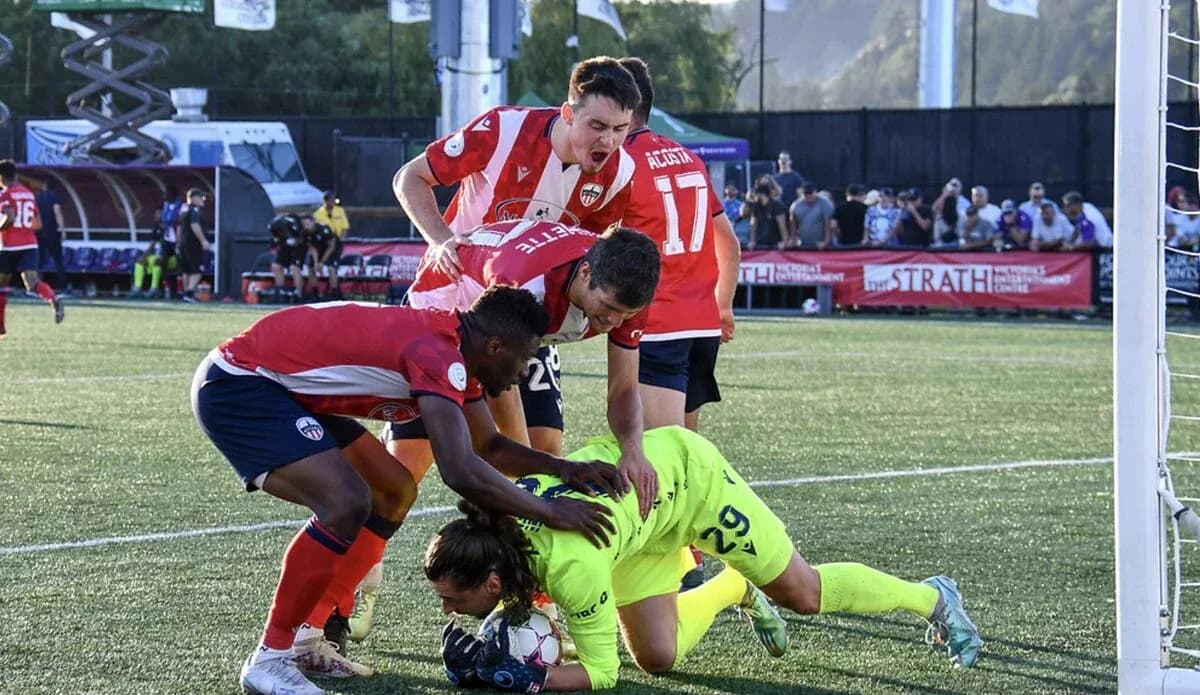
Under the floodlights at TD Place Stadium, this Group Stage meeting in the Canadian Premier League brought together two clubs living very different seasons. Atlétíco Ottawa, sitting 3rd with 34 points after 21 matches, have built a strong identity at home. Pacific FC, bottom in 8th with 9 points from 19 games, arrived more in survival mode than in contention. The 0–0 final scoreline told only part of the story: tactically, it was a clash between a side trying to refine its top‑three credentials and another searching for a way to stabilise a leaking defence.
I. The Big Picture – contrasting trajectories
Overall this campaign, Ottawa’s numbers frame them as a balanced but streaky contender. Across 21 league matches they have scored 34 and conceded 34, for a goal difference of 0. At home they have been far more assertive: 7 wins, 3 draws and just 1 loss from 11 games, with 21 goals for and 13 against. The attacking output at TD Place – 1.9 goals per home game – has underpinned their push toward the top three.
Pacific’s season has moved in the opposite direction. Overall they have just 1 win, 6 draws and 12 losses from 19 matches, with 22 goals scored and 39 conceded, a goal difference of -17. On their travels they have yet to win: 0 victories, 4 draws and 5 defeats, with 9 goals scored and 19 conceded away. An away average of 1.0 goal for and 2.1 against speaks to a team that struggles to control games once they leave Vancouver Island.
Against that backdrop, a goalless draw felt like a point lost for Ottawa and a point salvaged for Pacific, but the shapes on the pitch and the underlying season data give a clearer sense of where each squad stands.
II. Tactical Voids and Discipline – edges and vulnerabilities
Gustavo Leal set Ottawa up in a 4‑2‑3‑1, leaning into the technical quality between the lines. C. Kalongo anchored the side in goal, protected by a back four of J. Assi, J. Dunn‑Johnson, Loïc Cloutier and D. Aguilar. Ahead of them, the double pivot of M. Aparicio and T. Arnaud was tasked with both progression and protection, freeing a fluid band of three – K. Habibullah, B. Tabla and G. Antinoro – to support lone striker N. Fleuriau Chateau.
This structure suits the squad’s seasonal profile. Ottawa’s goals skew heavily late: 42.86% of their goals overall have come between 76–90 minutes, with another 22.86% between 61–75. They are a side that grows into matches, often overwhelming opponents as legs tire. The double pivot’s ability to keep the ball and recycle pressure is central to that.
Defensively, though, Ottawa’s soft underbelly is early in games. Overall this season, 24.24% of the goals they concede arrive in the opening 0–15 minutes, with another 15.15% between 16–30. That early vulnerability makes the concentration and positioning of Dunn‑Johnson and Cloutier critical, especially when the full‑backs push on.
Discipline-wise, Ottawa walk a fine line. Their yellow cards cluster late: 36.96% of bookings come between 76–90 minutes, and another 19.57% in added time (91–105). High‑intensity late surges come with a cost. Red cards have been rare but not absent – one dismissal overall, carried by the creative G. Antinoro – a reminder that their aggressive pressing from the front can spill over.
Pacific, under T. Dunfield, went with a 3‑4‑3. S. Melvin started in goal behind a back three of J. Quintana, D. Konincks and C. Greco‑Taylor. The wing‑backs K. Chung and Y. R. Toualy flanked a central pairing of R. Juhmi and L. Browning‑Lagerfeldt, with a front line of M. Bustos, R. Kratt and A. Daniels.
The 3‑4‑3 was as much about damage limitation as ambition. Overall this season Pacific concede 2.1 goals per match and have kept just 1 clean sheet. Their disciplinary record is another structural issue: yellow cards are spread across the second half, with 19.44% between 46–60 minutes and 16.67% in both the 61–75 and 76–90 ranges. Red cards are even more telling: 66.67% of their dismissals have come between 76–90 minutes, and 16.67% between 91–105. This is a side that often unravels under late pressure.
III. Key Matchups – Hunter vs Shield, Engine Room battles
The most obvious “Hunter vs Shield” duel centred on Ottawa’s attacking talisman B. Tabla against Pacific’s defensive core. Tabla, Ottawa’s top scorer with 5 league goals and 1 assist, operates from the left or as an inverted creator. He has taken 18 shots, with 12 on target, and drawn 22 fouls – a magnet for contact in the final third. His direct opponent zones were shared between Chung and the right‑sided centre‑back, often D. Konincks.
Konincks, one of Pacific’s standout performers, arrived with 3 goals and 1 assist despite being a defender. He has completed 511 passes at 90% accuracy, won 37 of 61 duels and blocked 4 shots. His ability to step out and engage Tabla without being dragged out of shape was crucial to keeping Ottawa at bay.
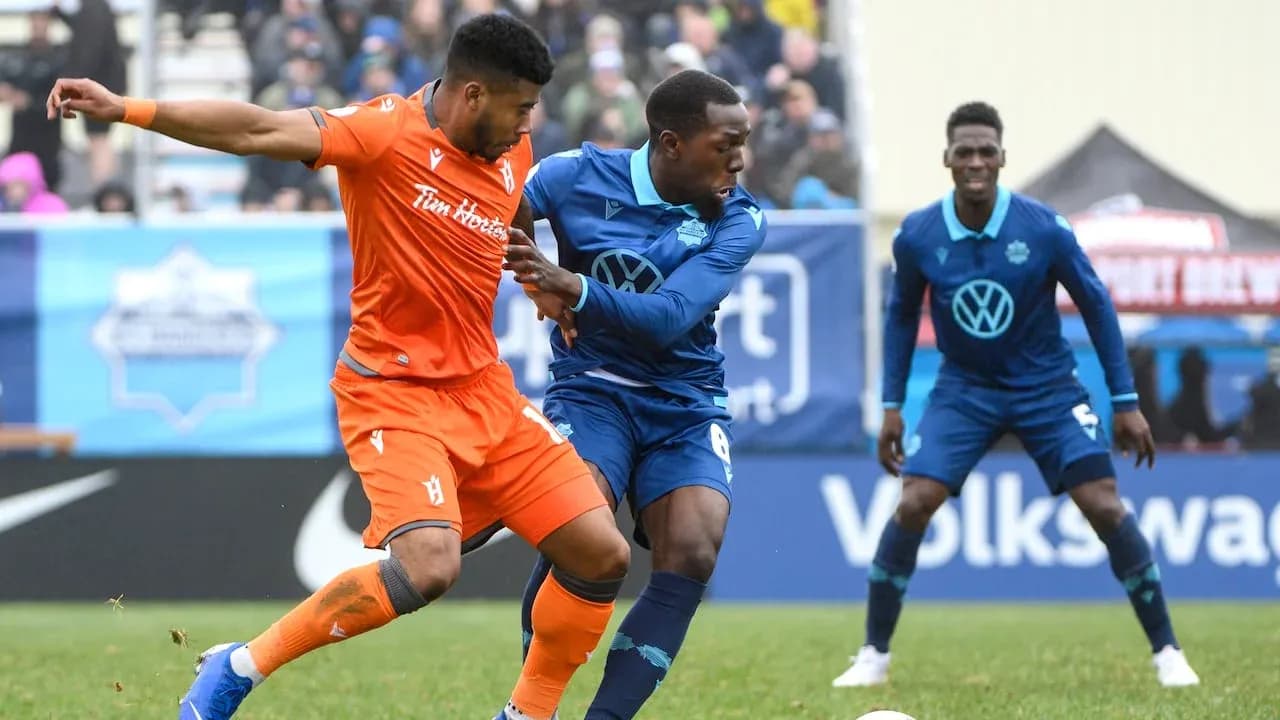
In the “Engine Room”, the duel between Ottawa’s M. Aparicio and Pacific’s double pivot of Juhmi and Browning‑Lagerfeldt defined the game’s rhythm. Aparicio is Ottawa’s metronome: 619 passes at 83% accuracy, 11 key passes and 25 tackles overall this season. He is also one of the league’s most card‑prone midfielders, with 5 yellows. Across from him, Juhmi brings 365 passes at 87% accuracy and 18 tackles, but also 5 yellow cards. Both midfields are aggressive, both happy to foul to break rhythm, and that translated into a scrappy, attritional centre‑field battle.
Further forward, N. Fleuriau Chateau offered Ottawa vertical threat. With 3 goals and 2 assists in just 278 league minutes overall, plus 11 shots (6 on target), he profiles as a highly efficient finisher. Against Pacific’s back three, his movement between Konincks and Greco‑Taylor forced constant communication.
Pacific’s own “hunter” was not in the starting XI but loomed from the bench: A. Díaz, with 4 goals and 2 penalties scored overall. His presence among the substitutes underscored Pacific’s dilemma – whether to chase the game or protect the point.
Out wide for Pacific, Y. R. Toualy (listed among the league’s top assist providers with 4 overall) and M. Bustos (2 goals overall) offered the main creative outlets. Bustos, who has drawn 24 fouls this season, repeatedly tested Assi and Aguilar’s defensive discipline.
IV. Statistical Prognosis – xG tendencies and defensive solidity
Even without explicit xG values, the season trends point to a clear pattern. Ottawa’s attack at home, averaging 1.9 goals per game, typically generates enough chances to justify that output. Their late‑goal surge – 42.86% of goals between 76–90 minutes – usually coincides with opponents tiring and spaces opening. Defensively, conceding just 13 at home (1.2 per match) shows a unit that, once settled, is relatively solid.
Pacific’s defensive profile is far more fragile. On their travels they concede 2.1 goals per game, and overall they have allowed 39 goals in 19 matches. That volume of concessions implies that, on most nights, the underlying xG against is high; they allow too many shots from good areas, and their late‑game red‑card pattern hints at desperation defending in the box and in transition.
Set‑piece and penalty data add nuance. Ottawa have been awarded 4 penalties overall, scoring 2 and missing 2 – a 50.00% conversion rate that underlines a genuine weakness from the spot. They cannot rely on penalties to tilt tight games. Pacific, by contrast, have scored both of their penalties overall (2 of 2), one of the few areas where their efficiency is elite.
From a probabilistic standpoint, Ottawa’s typical home performance – strong late pressure, decent defensive control after the opening quarter‑hour, and multiple penalty‑box entries – would usually produce a narrow home win and an xG edge. The 0–0 here therefore reads as under‑performance in finishing, not in process.
For Pacific, the clean sheet is a rare success. Holding a side that averages 1.9 home goals to zero suggests improved execution in the back three and a more compact midfield screen. If they can maintain that structure while reintroducing Díaz earlier and giving Toualy and Bustos more transition platforms, their xG for should tick upward without their xG against ballooning again.
In squad terms, Ottawa leave this fixture still looking like a top‑three outfit whose ceiling is tied to the creativity of Tabla, Antinoro and Habibullah and the control of Aparicio. Pacific depart TD Place as a team still in deep trouble in the table, but with a blueprint: Konincks marshalling a disciplined back line, Juhmi anchoring a combative midfield, and selective deployment of their attacking talent to chase points rather than merely survive.