Aston Villa's Transfer Strategy: Garnacho and the Financial Fair Play Challenge
Aston Villa know this feeling.
Twelve months ago, on the final day of the window, they thought they had found a smart solution in Harvey Elliott. Fresh from being named player of the tournament at the Euro Under-21s, the Liverpool midfielder arrived on a season-long loan, with a conditional obligation to buy. On paper, it ticked every box. Villa needed depth, Elliott had pedigree, and the structure seemed clever.
Then reality bit.
The obligation to buy – a hefty £35million – would be triggered after just 10 appearances. Elliott never got close. Unai Emery used him sparingly, only 278 minutes in total, and the deal quickly turned from opportunity into awkwardness. Villa effectively parked a highly rated young player to avoid activating the clause. Nobody won.
So when Villa announced another season-long loan with a conditional obligation this summer, more than a few supporters felt a shiver of déjà vu.
Garnacho arrives, the numbers climb
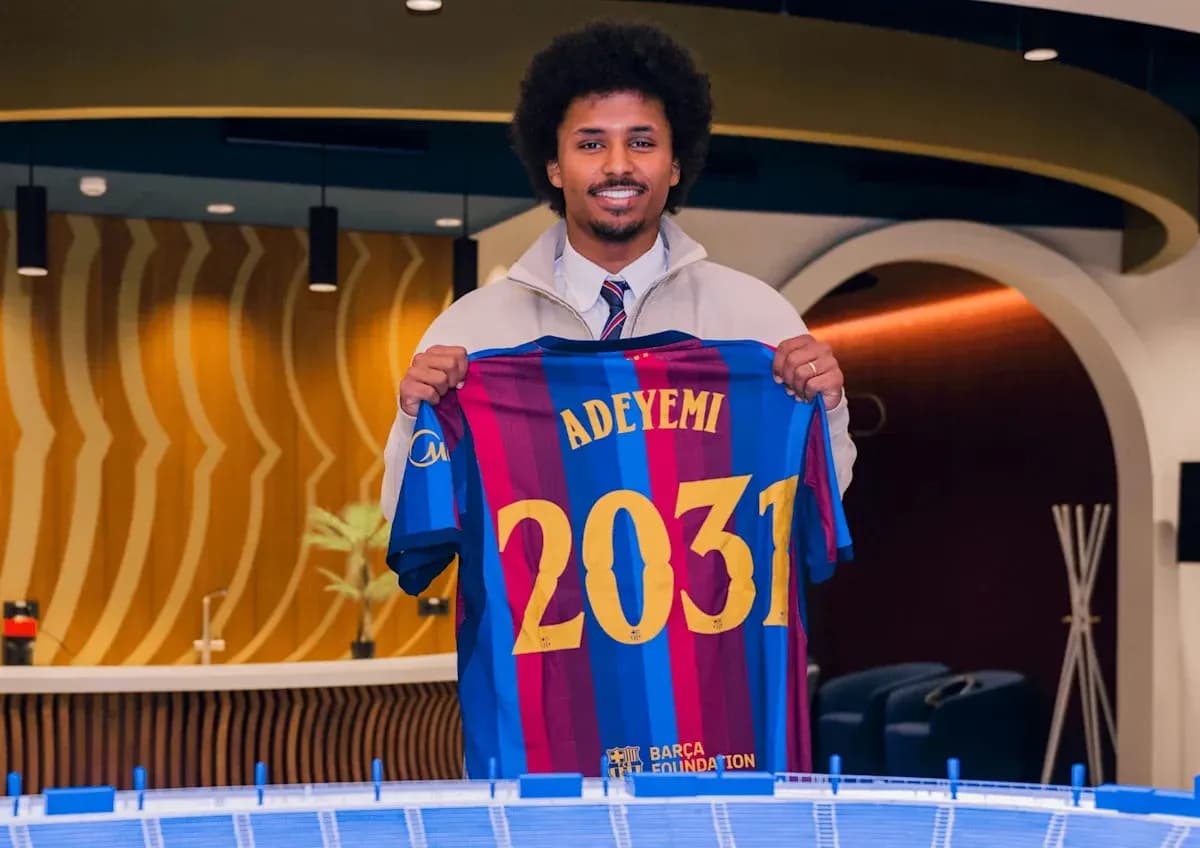
Alejandro Garnacho has landed at Villa Park from Chelsea on a loan that is a loan in name, but in spirit looks like a permanent transfer waiting to happen. The exact trigger for the obligation has not been made public, but talkSPORT understands it is appearance-based and easily achievable. The full package, once the clause kicks in, is worth around £43million.
It is not just the size of the fee that catches the eye. It is the timing.
Only two days before Garnacho’s move was confirmed, Morgan Rogers went the other way. His transfer to Chelsea, at £117million, made him the most expensive British player in history and delivered Villa a colossal profit on the £8million they paid Middlesbrough in January 2024.
That single deal transformed Villa’s balance sheet and gave the Europa League champions crucial breathing room under UEFA’s financial regulations. It also raised a very obvious question: how would UEFA view two major deals between the same clubs, completed days apart, one sale and one purchase?
UEFA’s 45-day problem
Under UEFA’s transfer rules, multiple deals between the same clubs within a 45-day period can be treated as a swap. That matters. If the Rogers and Garnacho moves were classified in that way, Villa would not be allowed to book the full £117million as profit. Instead, the profit would effectively be reduced to the net difference between what they received for Rogers and what they paid for Garnacho.
For a club carefully managing Financial Fair Play, that is a serious hit.
Villa’s answer has been to lean on structure. By taking Garnacho initially on loan, with the obligation to buy pushed into the future, they can aim to trigger the permanent transfer outside UEFA’s 45-day window. Do that, and the Rogers windfall can be fully banked now, with Garnacho’s cost amortised over the length of his eventual contract later.
On talkSPORT’s Transfer Insiders, reporter Ben Jacobs laid out how that approach sits inside what he described as a UEFA ‘loophole’. He contrasted it with the Elliott situation, where a relatively low appearance threshold left Villa choosing between sporting logic and financial caution – and Emery simply opted not to use the player.
This time, the design is different. The Garnacho deal is framed less as a trial and more as a permanent exit from Chelsea dressed up in loan clothing, with the financial creativity driven by the new UEFA FFP environment. Each club can, in the short term, present its side of the business positively on the books: a big sale for Villa, controlled spending for Chelsea, and the costs spread over time.
UEFA anticipated this kind of mirrored dealing and tightened the rules. If two clubs trade players within that 45-day window, they are expected to look at the net effect rather than treating each move as a clean, separate win. The intention is clear: stop clubs from using parallel transfers to flatter their accounts.
But a loan with a conditional obligation that activates later? That lives in the grey.
The ‘loophole’ – and the risk
The key phrase in UEFA’s regulations is “virtually certain”. If the conditions required to trigger an obligation are considered to be virtually certain from the start, both clubs must treat the move as a permanent transfer, not a loan. That would drag Garnacho’s fee back into the same accounting period as Rogers and eat into Villa’s headline profit.
For Villa, that is the nightmare scenario: UEFA looking at the appearance clause, deciding it is too easy, and insisting the deal was effectively permanent all along.
To avoid that, the governing body would have to accept that the condition cannot be assessed with sufficient certainty at the outset. In other words, they would need to believe there is genuine sporting jeopardy around whether Garnacho hits the threshold.
Given the structure is understood to be “easily achievable”, that is a fine line to walk.
This is where Villa’s recent history with Elliott cuts both ways. On one hand, it shows they are prepared to bench a player to dodge an obligation they no longer want to meet. On the other, it underlines just how uncomfortable and damaging that strategy can be for everyone involved. Repeating it with a £43million winger would be a far more explosive decision.
So while the deal currently sits inside that regulatory grey zone, UEFA still have room to challenge it. If they decide the appearance-based trigger is a formality, the transaction could be reclassified, and Villa’s carefully crafted profit from Rogers would be clipped.
Jackson interest on ice?
There is another twist. The 45-day rule does not just hang over Garnacho. It also threatens to block any further quickfire business between Villa and Chelsea.
Nicolas Jackson has been offered to Villa and is admired by Emery, who worked with the striker at Villarreal. On football terms, the fit is obvious. On financial terms, it is complicated.
With Rogers and Garnacho already on the books between the clubs, a third deal in the same regulatory window would only sharpen UEFA’s focus. Unless Villa make another major sale to soften the financial impact, any move for Jackson now risks dragging all three transfers into a single, less favourable calculation.
That is why any serious pursuit of Jackson may have to wait until January, when the clock resets and the 45-day shadow lifts.
For now, Villa have taken their swing: a record sale, a marquee winger, and a structure that pushes right up against UEFA’s limits. Whether it stands as shrewd business or becomes a test case for the regulators will define more than just this window. It could shape how aggressively Villa – and others – dare to operate in the next phase of the FFP era.