Arsenal’s Statement Win Over Chelsea: A 2–1 Victory Analysis
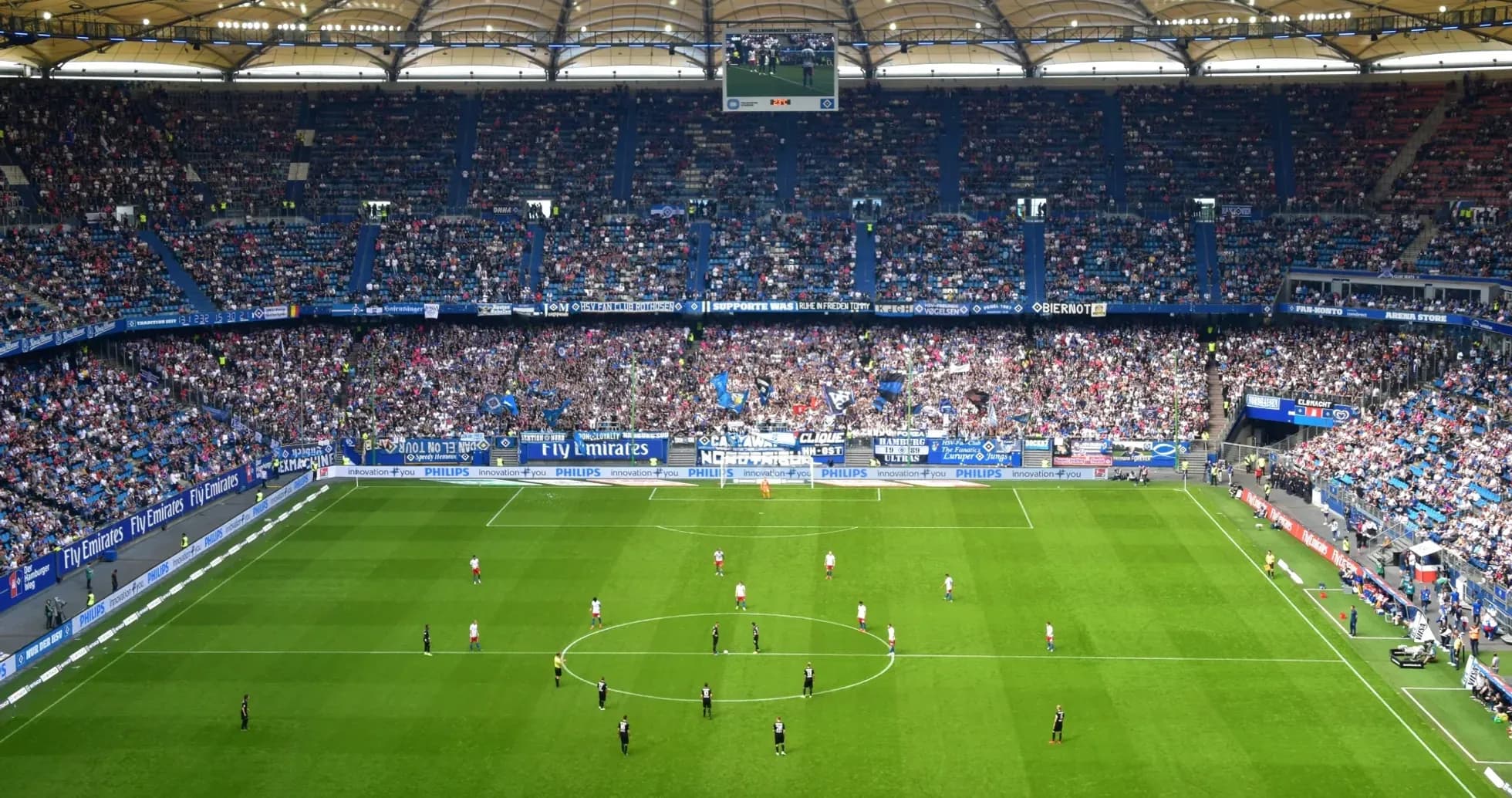
Under the late‑summer lights of the Emirates Stadium, Arsenal’s 2–1 victory over Chelsea felt less like an early‑season skirmish and more like a statement of intent. In the Premier League’s Regular Season - 3, the league’s second‑placed side tightened their grip near the summit, while fourth‑placed Chelsea were reminded that their thrilling attacking edge still carries a defensive price.
Heading into this game, Arsenal’s seasonal profile was already sharply defined. Overall they had taken maximum points from 3 matches, with 6 goals for and just 1 against. At home they had been even more ruthless: 2 wins from 2, 5 goals scored and only 1 conceded, an average of 2.5 goals for and 0.5 against at the Emirates. Chelsea arrived as the division’s entertainers and risk‑takers: overall 8 goals scored and 7 conceded from 3 games, with their away record split evenly at 1 win and 1 defeat, 4 goals both for and against on their travels.
Mikel Arteta leaned into continuity and control with a 4‑2‑3‑1 that looked custom‑built for this Arsenal. D. Raya anchored the side, with a back four of B. White, E. Konsa, Gabriel and R. Calafiori. In front of them, D. Rice and M. Lewis‑Skelly formed a double pivot designed to both screen and circulate, while the attacking band of three — B. Saka on the right, M. Ødegaard centrally and C. Tzolis from the left — supported K. Havertz as the nominal striker.
It is a spine that mirrors Arsenal’s season so far. Ødegaard, already on 2 goals in total this campaign with a 7.87 rating, has been the creative metronome, completing 155 passes at 91% accuracy and providing 7 key passes. Saka, also on 2 goals overall and averaging 7.47, has combined end product with industry, his 7 shots on target and 10 fouls drawn underlining how frequently he destabilises back lines. Havertz, likewise on 2 goals in total, offers a different dimension: aerial presence, late box entries and link play, with 4 of his 5 shots hitting the target.
Behind them, Calafiori has quietly become one of the Premier League’s most influential full‑backs. With 2 assists overall, 84% passing accuracy and 3 tackles, he offers both progression and defensive solidity from the left. His presence is especially significant given Arsenal’s absentees. W. Saliba and J. Timber, both missing this fixture with back and ankle injuries respectively, stripped Arsenal of two natural centre‑backs. C. Mosquera’s injury further thinned Arteta’s defensive options. The solution was structural: Konsa’s calm aggression and Gabriel’s authority, flanked by Calafiori and White, created a back line that could defend space without constant emergency defending.
The disciplinary edge of this Arsenal side is worth noting. In total this campaign, their yellow cards have been spread almost evenly across phases — with 25.00% of their cautions coming in each of the 16‑30, 31‑45, 46‑60 and 91‑105 minute windows. It suggests controlled aggression rather than chaotic last‑ditch tackling. Yet there is a flashpoint in the squad: C. Tzolis, with 2 yellow cards overall and also listed among top red‑card profiles, walks a fine line on the left flank. His 8 key passes and 2 shots on target show why Arteta trusts him, but his card profile makes him a likely target for clever dribblers and combination play.
On the opposite bench, Xabi Alonso’s Chelsea arrived in a 3‑4‑2‑1 that leaned into their attacking strengths. E. Martinez started in goal behind a back three of W. Fofana, M. Lacroix and J. Acheampong. The wing‑back line of R. James and P. Neto, with R. Lavia and J. Hato inside, was built to spring transitions quickly into a front three of C. Palmer, M. Rogers and Joao Pedro.
The numbers behind that trio are striking. Joao Pedro, with 2 goals and 2 assists overall, has been one of the league’s most complete forwards: 7 shots, 6 key passes and 11 fouls drawn speak to a player who both finishes and initiates attacks. Rogers mirrors that productivity with 2 goals and 1 assist overall, plus 10 key passes, while Palmer adds 2 goals, 1 assist and 9 shots total, 5 of them on target. Collectively, they explain Chelsea’s total average of 2.7 goals for per game — and also why the side has yet to keep a clean sheet.
The tactical void for Alonso lies in midfield. M. Caicedo, J. Henderson and M. Palestra all missed this fixture through injury, stripping Chelsea of defensive balance and experience in the centre. Lavia and Hato, both talented and mobile, were tasked with anchoring transitions against one of the league’s most fluid attacking midfields. Without Caicedo’s ball‑winning or Henderson’s organisational voice, Chelsea’s central box was always at risk of being overloaded by Ødegaard’s drifting, Havertz’s drops and Saka’s interior runs.
Defensively, Chelsea’s season‑long pattern fed directly into the narrative of this match. On their travels they had conceded 4 goals from 2 games, an away average of 2.0 against, mirroring their total average of 2.3 goals conceded per match. Their yellow‑card distribution is front‑loaded: 37.50% of their bookings have arrived in the opening 15 minutes, with further spikes at 46‑60 minutes (25.00%) and a steady trickle late on. That early‑game volatility is the perfect trigger zone for an Arsenal side that often starts with scripted, high‑tempo patterns.
The “Hunter vs Shield” battle was always going to be fought between Arsenal’s multi‑headed attack and Chelsea’s unstable defensive record. With Arsenal averaging 2.0 goals for overall and conceding just 0.3, their goal difference of +5 (6 scored, 1 conceded) reflects a side that dominates both boxes. Chelsea’s overall goal difference of +1 (8 scored, 7 conceded) tells a different story: a team that can hurt anyone but cannot yet protect itself.
In midfield, the “Engine Room” duel hinged on D. Rice and M. Lewis‑Skelly against Lavia and Hato. Rice’s positional discipline and ability to break lines with passes into Ødegaard and Havertz were decisive against a Chelsea core still learning its automatisms. Hato, despite his 2 assists overall and 6 tackles, was often pulled into wide defensive duties, leaving Lavia exposed in central spaces that Arsenal repeatedly exploited between Chelsea’s lines.
Following this result, the statistical prognosis for both squads sharpens. Arsenal’s clean‑sheet base — 2 in total this campaign — and absence of penalty misses underpin a side that controls risk and rarely gifts opponents easy routes back into games. Chelsea, with no clean sheets overall and a defensive profile that concedes as many away as it scores on its travels, will remain compelling but fragile until Alonso finds a more secure midfield blend and greater composure in the opening quarter‑hour.
In narrative terms, this 2–1 at the Emirates felt like confirmation rather than surprise. Arsenal’s structure, depth and star performers — Ødegaard, Saka, Havertz and the quietly excellent Calafiori — look built for a sustained title tilt. Chelsea’s front three of Joao Pedro, Rogers and Palmer will win them plenty of matches, but unless the absentees return and the defensive metrics tighten, nights like this in North London will continue to expose the gap between promise and control.