Alexander Isak's Easy Decision to Join Liverpool: A Record Transfer
Alexander Isak doesn’t dress it up. Leaving Newcastle Utd, he says, was “an easy decision”. The first year at Liverpool has been anything but.
The Sweden striker walked into Anfield in September 2025 as the most expensive signing in British football history, a £125m statement that Liverpool were still prepared to swing hard in the market. The fee set the tone. The season that followed scrambled it.
‘Everything about the club made it pretty clear’
Speaking to BBC Sport’s The Football Interview, Isak spelled out why he pushed for the move.
“[Liverpool] is a massive club, and everything about the club made it pretty clear,” he said, pointing to the ambition on Merseyside and the relentlessness with which Liverpool chased him.
The message from Liverpool’s hierarchy was obvious: they saw him as the next centrepiece of their attack, a striker to lead a new cycle of trophy challenges. For Isak, the chance to fight for major honours in front of the Kop, at a club built on European nights and title races, did the rest.
That conviction matters now because the debut season did not follow the script.
Broken leg, broken rhythm
Isak’s first campaign in red was ripped apart in December. A broken leg ruled him out until April and stripped away any rhythm he had begun to build. By the end of the Premier League season, his return read three goals.
Those numbers framed the debate around him. A British-record fee. A handful of league goals. A long stretch on the treatment table.
They also told the story of a year in which he never really had the chance to settle into Liverpool’s patterns, to learn the runs of his new wingers, to build those instinctive combinations that turn chances into tap-ins.
The price tag did not change the basic realities of a big move. New dressing room. New manager. New demands. And in his case, a major injury cutting right through the middle of the adaptation period.
Why Liverpool were so sure
Liverpool’s belief in Isak did not come from a hunch. It came from hard evidence.
Across three seasons at Newcastle Utd, after arriving from Real Sociedad in 2022, he hit 62 goals in 109 games. Liverpool’s own announcement of his signing made a point of highlighting that record. He had already shown he could score consistently in the Premier League, already proved he could handle the tempo and the physicality.
That history explains the scale of Liverpool’s outlay. They were not gambling on potential; they were paying for a proven finisher in English football, a forward who had carried a significant share of Newcastle Utd’s attacking burden.
It also underlined the size of the hole he left behind at St James’ Park. Replacing 62 goals is not as simple as finding another striker with similar attributes. It means rebuilding an attack, redistributing responsibility, changing how a team plays in the final third.
For Liverpool, the calculation was different: take a striker with that output and drop him into a side that expects to be in the title conversation. The theory was clear. The execution has taken longer.
Glimpses of the plan under Iraola
The first real glimpse of what Liverpool thought they were buying came at Ipswich Town on 4 September.
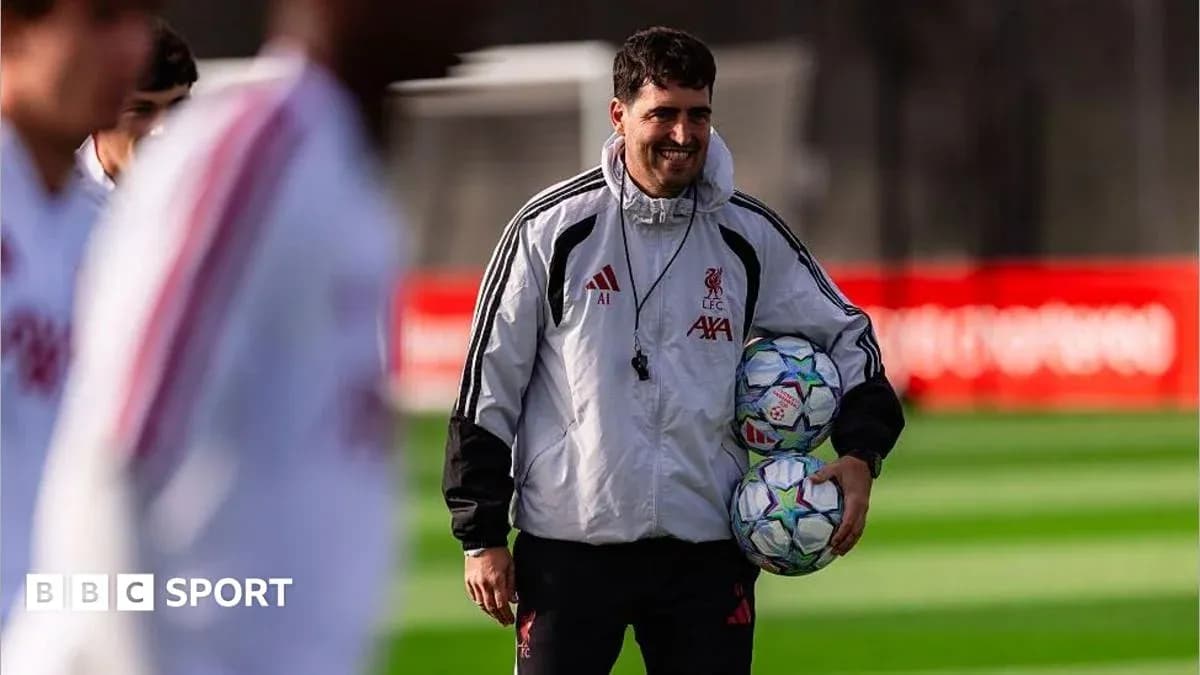
Under new head coach Andoni Iraola, Liverpool went to Portman Road needing a first win to settle early nerves. Isak took just nine minutes to rip the tension out of the evening. Two chances. Two finishes. Game almost done before Ipswich could catch their breath.
Liverpool’s official match report recorded Cody Gakpo as the provider for both goals, a neat snapshot of a partnership Liverpool hope will grow into something far more regular. Gakpo found the spaces. Isak attacked them with the kind of precision that persuaded Liverpool to write the record cheque.
Those early strikes did more than decorate the scoreline. They gave Liverpool control, allowed Iraola’s side to manage the game instead of chase it, and offered a first clear picture of how this attack might function when the pieces click.
One night in Suffolk cannot rewrite a season. It can, though, give a club and a striker something tangible to cling to: the reminder that the finishing touch is still there, that the patterns they’ve worked on in training can translate into points.
The verdict will come later
Isak can explain why he joined Liverpool in a single sentence. Deciding how his Liverpool career will be remembered will take years, not months.
Availability will shape it. So will goals. So will the less visible work: the pressing, the link play, the movements that open doors for others. The transfer fee will always lurk in the background, dragged out after every quiet afternoon or missed chance, but it cannot offer a fair verdict on its own.
His Newcastle Utd record set the bar for what he can be. That ruthless night at Ipswich showed what he might become in Liverpool colours.
The challenge now is to connect those two versions of Alexander Isak – the established Premier League scorer and the still-settling record signing – into one sustained, season-defining presence. If he does, the “easy decision” to leave Newcastle Utd will be judged not by the size of the fee, but by the weight of the goals that follow.