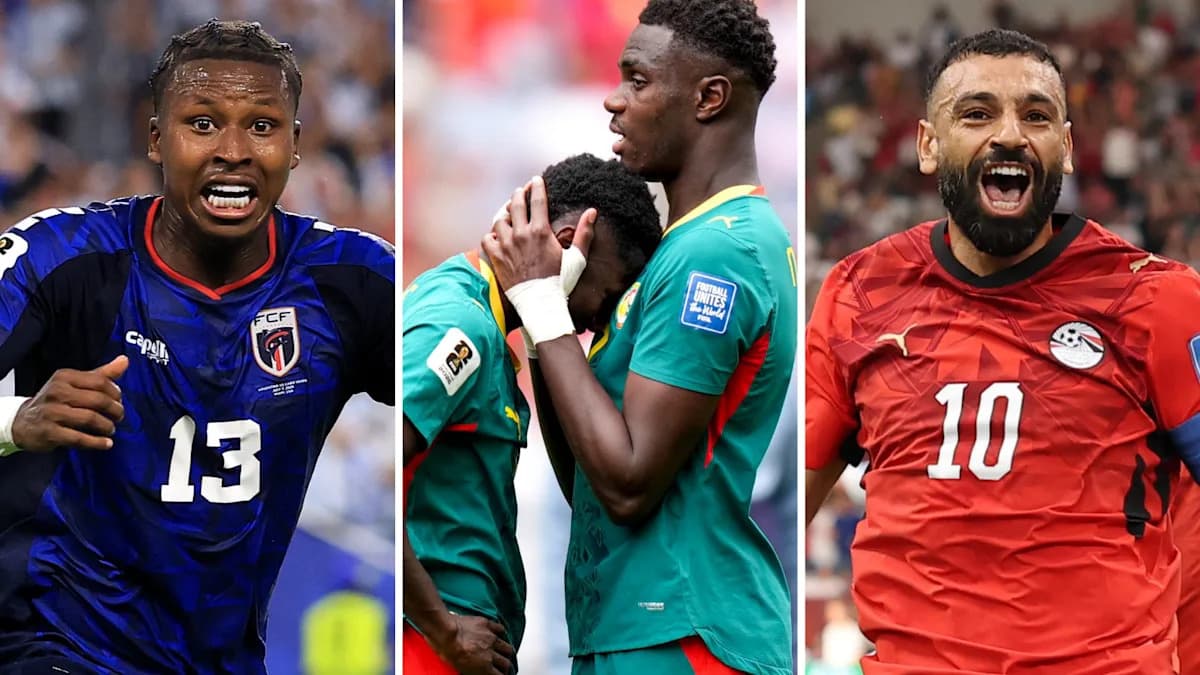
Africa’s 2026 World Cup Journey: Underdogs, Historic Wins, and Heartbreaking Exits
The 2026 World Cup featured Africa's largest ever representation, with 10 teams competing. Despite strong moments, the tournament delivered mixed results for the continent’s squads. Nine African nations advanced to the knockout stage, a source of pride for the continent’s 1.6 billion people, according to Patrice Motsepe, head of the Confederation of African Football (Caf).
Only Morocco progressed as far as the quarter-finals. Several teams faced cruel exits, conceding late goals that dashed their hopes. Senegal and Egypt notably lost matches after holding two-goal leads, while others like DR Congo and Cape Verde achieved milestones by winning games or advancing beyond the group phase for the first time.
With the 2030 World Cup set to return to Africa, co-hosted by Morocco, Spain, and Portugal, lessons from this expanded 48-team format could shape future performances.
Underdogs Steal the Spotlight
Cape Verde captured global attention by making it to the last 32 on their World Cup debut. After drawing with giants like Spain, Uruguay, and Saudi Arabia in the group stage, they nearly upset defending champions Argentina. Twice they came from behind but eventually lost 3-2 after extra time.
Their goalkeeper, Vozinha, rose to fame with a series of remarkable saves, boosting his Instagram following from 50,000 to over 29 million by tournament’s end. His sudden celebrity even inspired naming a newly found sea slug species after him. Defender Roberto Pico Lopes said Cape Verde had proven themselves capable against the world’s best. “We’re a small nation with big hearts,” he said. “We showed what’s possible if you believe.”
Morocco’s Continued Rise
Morocco cemented their status as Africa’s top-ranked team by becoming the first to reach consecutive World Cup quarter-finals. They fell short of their semi-final run from 2022, losing again to France. Under new coach Mohamed Ouahbi, the team has adopted a more expansive style, highlighted by promising 18-year-old midfielder Ayoub Bouaddi. Ouahbi emphasized the youth and talent in his squad, expressing hope for growth ahead.
The Curse of Late Goals
Five African teams were undone by goals scored deep into matches. Senegal led Belgium 2-0 with just minutes left, only to lose 3-2 after a penalty in extra time—the latest winning goal in World Cup history. Egypt surrendered a two-goal lead against Argentina late on, exiting after a stoppage-time header.
Other exits included DR Congo and Ivory Coast conceding in the 86th minute, and South Africa falling to a last-minute goal by Canada. Even Algeria and the Ivorians let slip injury-time chances in the group stages. This pattern raised questions about whether African teams struggle to close out matches.
“It’s not necessarily a trend, just unlucky,” said Dr. Nikita Rowley, a sports psychologist. “Fatigue affects concentration and decision-making late in games, increasing mistakes. The closer to something historic, the tougher it becomes psychologically.”
Learning and Growth Ahead
The World Cup expansion benefited Africa, increasing guaranteed spots from five to nine, plus one more through playoffs. Most teams advanced from their groups, signaling progress. Gambian coach and FIFA talent scout Mattar M Boge noted many African players lack experience in high-pressure matches compared to European and South American counterparts who play more competitive games regularly.
He pointed to the success of Europe’s Nations League format, which keeps stakes high through promotion and relegation. Africa’s football development continues but more experience is needed to build teams comfortable with such responsibility.
Disappointments and Off-Field Challenges
Tunisia had a tough tournament, firing coach Sabri Lamouchi after a heavy loss to Sweden and replacing him with Herve Renard, but the team could not avoid elimination after further defeats. Ghana made the knockouts for the first time since 2010 but failed to register a shot on target in their last-32 loss to Colombia, raising concerns about their offensive approach under coach Carlos Queiroz.
Off the pitch, issues persisted. Fans from Ivory Coast and Senegal were denied recommended visitor visas by US authorities. People from Algeria, Cape Verde, and Tunisia faced demands for large deposits to obtain visas. Somalia’s top referee Omar Artan was barred entry despite proper documentation, prompting UEFA to appoint him for the Super Cup instead. FIFA faced criticism for these incidents and for lifting a suspension on US striker Folarin Balogun.
Looking Forward
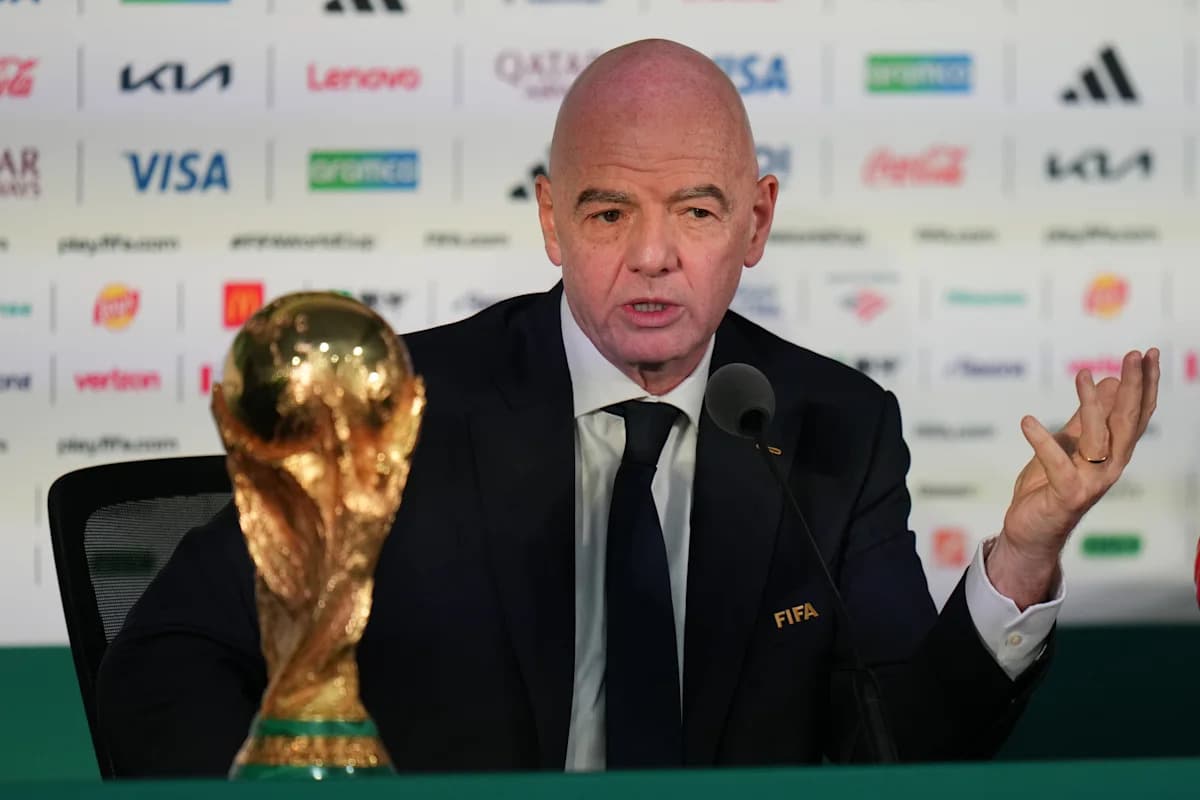
FIFA president Gianni Infantino has suggested expanding the World Cup to 64 teams, which would mean even more slots for Africa. Despite several firsts in 2026, progress remains slow for many African teams, though the experience gained may help them better prepare for future tournaments.