Zidane Returns to Lead France: A New Era Begins
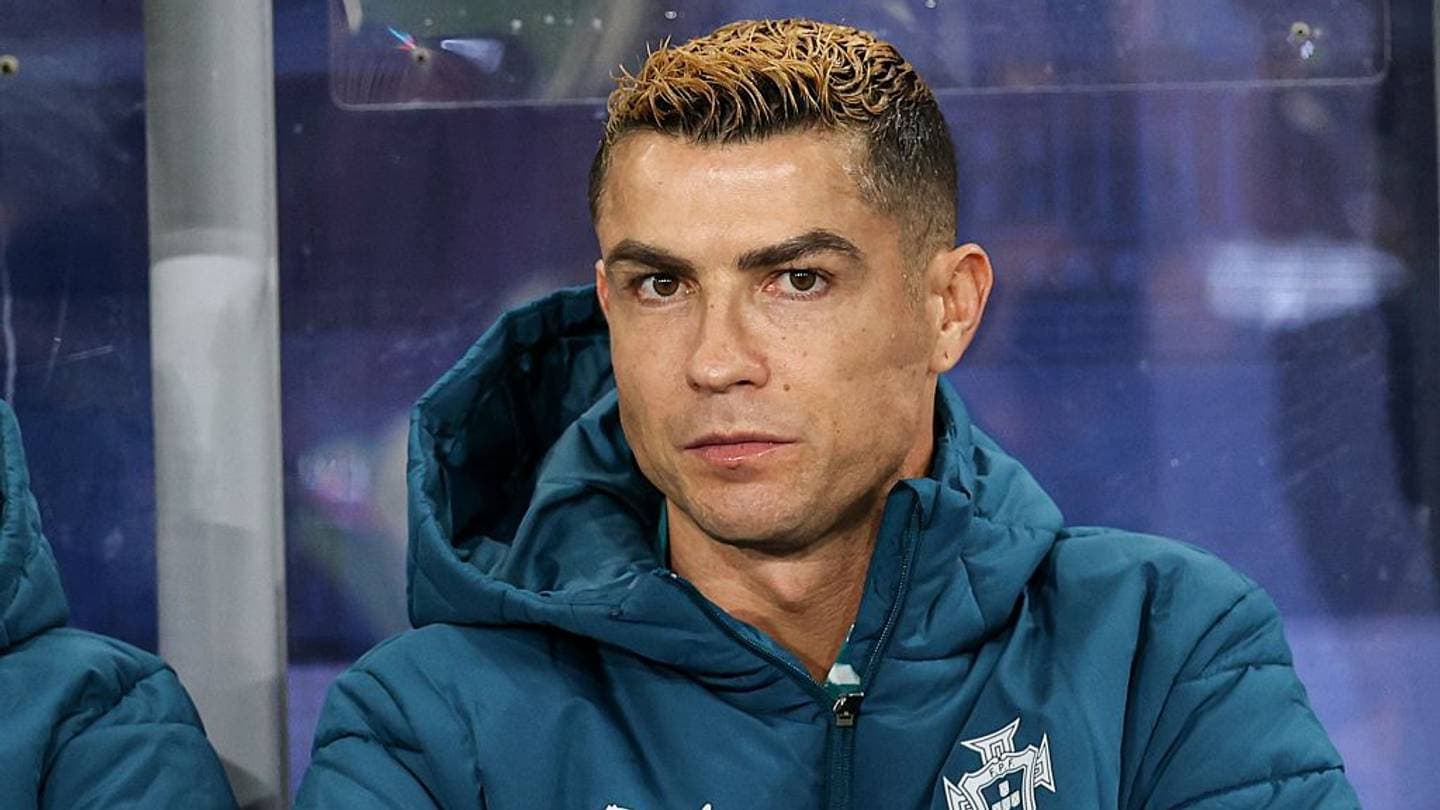
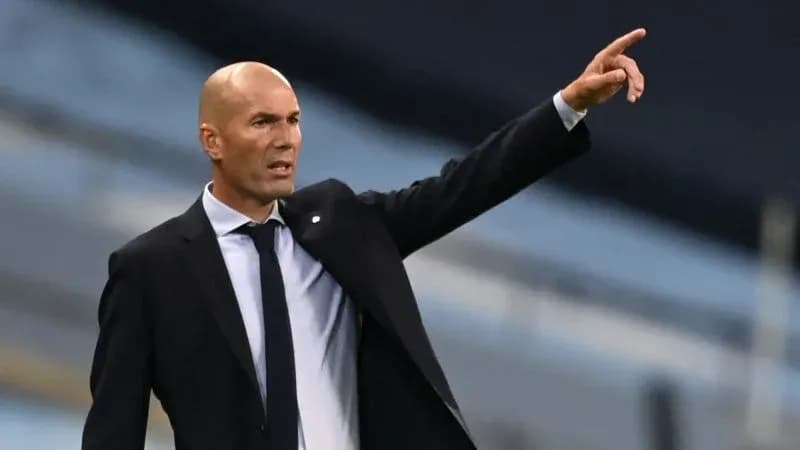
Zinedine Zidane is back where many in France always believed he was destined to end up. On Tuesday, the French Football Federation confirmed the 54-year-old as head coach of the national team on a four-year deal, handing one of the game’s greats the keys to Les Bleus at a moment of bruised pride and simmering expectation.
He steps into a role long occupied by Didier Deschamps, who walked away after the 2026 World Cup. France arrived in North America as one of the clear favourites. They left with regrets. Spain knocked them out in the semifinals on their way to the title, and England then compounded the disappointment by winning the third-place play-off.
The federation has turned to a national icon to lift the mood and reset the standard.
“There is nothing greater than the French national team,” Zidane said at his unveiling, calling the job both a joy and a responsibility. He thanked president Philippe Diallo, the Executive Committee and the FFF for their trust, and paid tribute to Deschamps’ 14 years in charge. He also spoke of his “ambition for the French Team” – a line that will resonate in a country that measures its national side against the very highest bar.
This is not just another appointment. It is the return of Zizou.
A hero comes home
Zidane’s relationship with the France shirt is stitched into the country’s modern sporting history. He did not just win with France; he changed what winning looked like.
In 1998, on home soil, he carried a nation. Two thundering headers in the World Cup final against Brazil, a 3-0 victory, and France’s first star appeared above the badge. It was not just a trophy; it was a statement of a new footballing power, with Zidane as its face and its brain.
Two years later, he did it again. France claimed Euro 2000, becoming the first world champions to then add the European Championship in the same cycle. Across that spell, Zidane operated at a level that turned him from elite footballer into cultural figure.
Yet the story did not end in glory. His final act in a France shirt came in Berlin in 2006, in a World Cup final lost to Italy. The image is burned into football’s memory: Zidane, the No. 10, sent off for headbutting Marco Materazzi, then watching from the tunnel as France fell in a penalty shootout.
That night has hovered over his international legacy ever since. His return now offers a different kind of closure. France supporters will hope the man who once walked past the World Cup on his way down the Berlin tunnel can now walk towards it again from the touchline.
From Madrid maestro to international novice
Zidane’s appointment has been years in the making. When he left Real Madrid for the second time in 2021, the sense was clear: he was waiting. Waiting for Deschamps. Waiting for France.
He has never coached a national team before. On that front, he is a novice. But his club résumé gives him instant authority.
At Real Madrid, Zidane built a record that still defies belief. Three consecutive Champions League titles. Two La Liga crowns. Two Club World Cups. He guided a dressing room packed with stars and egos through the most unforgiving competition in club football and came out with a dynasty.
He did it not just with tactics, but with management of people. He handled big names, big talents, big personalities – and kept them aligned often enough to keep winning. That experience will be vital now. France’s dressing room is one of the most talent-rich, and potentially volatile, in world football.
The job description is simple on paper, brutal in reality: win. Win the Euros. Win the World Cup. Win, ideally, as soon as 2030.
Harnessing France’s firepower
If there is one thing Zidane will not lack, it is attacking options. Kylian Mbappé remains the headline act, a global superstar entering what should be his prime years. Around him, the cast is deep and dangerous: Ousmane Dembélé, Michael Olise, Désiré Doué, Bradley Barcola and others jostling for space in a crowded forward line.
The challenge is not about finding talent. It is about finding harmony.
Since lifting the World Cup in 2018, France have wrestled with balance. At times they have looked devastating going forward, at others strangely disjointed, their attacking brilliance undermined by defensive frailty or a midfield that never quite clicked.
Zidane’s France must be different. He will be asked to blend that offensive arsenal with the kind of defensive rigidity that wins tournaments in the closing minutes of tight knockout games. His Real Madrid sides often found a way to bend matches to their will when it mattered most. France will expect the same steel in the decisive moments of major finals.
His Champions League record offers a blueprint. Across those campaigns with Real Madrid, his teams showed a knack for surviving storms, then striking with ruthless precision. International tournaments are built on those margins: one moment of control, one lapse avoided, one chance taken.
Chasing history again
There is also a personal frontier in play. Zidane has already won the World Cup as a player. Deschamps did it as both player and coach, joining an elite club. Zidane now has the chance to emulate his former teammate and step into that same rare air.
He knows what this team can be. He knows the weight of the shirt, the noise of a nation in full voice, the pressure of knockout football when every touch can tilt a tournament.
The era of Deschamps brought a World Cup, another World Cup final, and a sustained period of relevance at the very top of the game. Zidane inherits that platform, but also the expectation that France should not just compete – they should dominate.
The next four years will decide whether Zizou the coach can match Zizou the player in French football’s collective memory. The stage is set. The question now is whether he can turn a wounded giant back into the ruthless machine the world once feared.