World Cup Transfer Stories: Vozinha, Rogers, and Salah's Futures
The World Cup owns the spotlight. The transfer market owns the shadows.
As the tournament unfolds, club offices across Europe and beyond are anything but quiet. Recruitment teams are deep into a window that, for most, has been mapped out for months. Shortlists are set, budgets agreed, and now it’s about execution: who comes in, who moves on, and who dares to rip up the plan.
Amid the noise, three stories cut through.
Inter Miami circle World Cup cult hero Vozinha
Every World Cup throws up a cult figure. This time, one of them might be heading to South Beach.
Inter Miami are interested in signing Vozinha after his standout performances for Cape Verde. At 40, the goalkeeper is hardly a project for the future, but his displays on the biggest stage have dragged him into the global conversation and turned him into an unlikely fan favourite.
Miami, already the most glamorous address in MLS thanks to Lionel Messi, are exploring the possibility of adding the veteran to their squad. The appeal is obvious: a seasoned international who has just proved he can still handle the highest level, a personality who resonated with supporters, and a short-term solution in a specialist position.
For Vozinha, it would be a remarkable late-career twist: from World Cup breakout to sharing a dressing room with Messi in one summer.
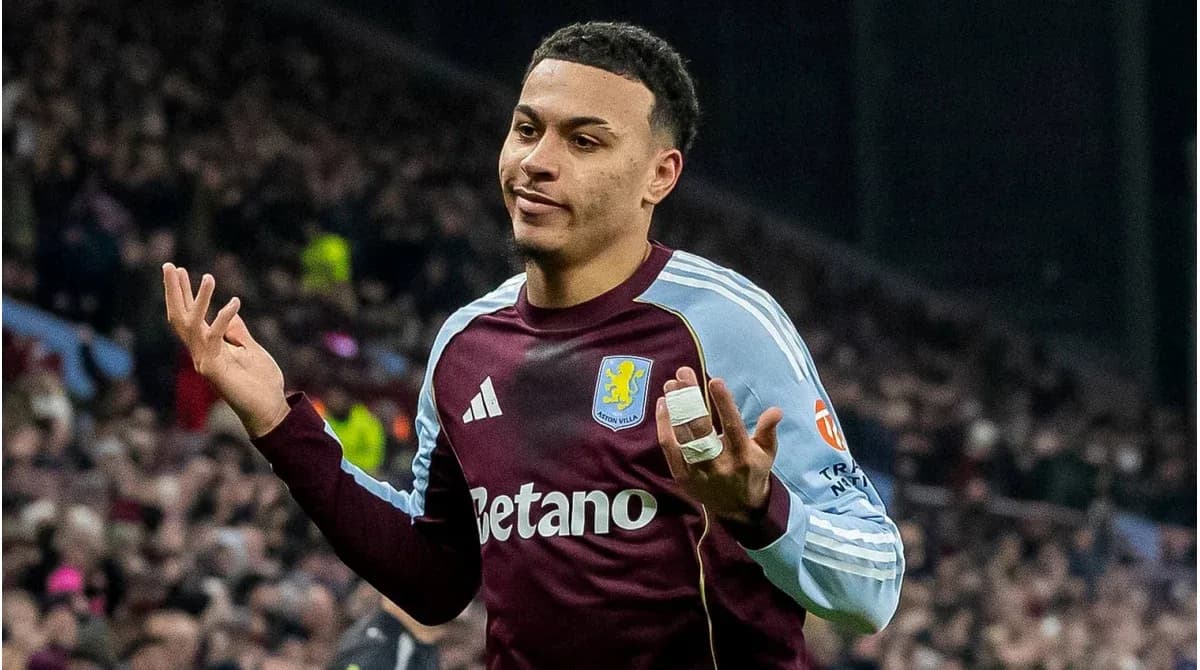
Arsenal’s gaze fixed on Morgan Rogers – but at a huge price
While some clubs scatter their attention across multiple targets, Arsenal’s eyes remain locked on one name. Morgan Rogers is the priority.
The plan is clear: an official offer is expected once the England international returns from World Cup duty. Arsenal want him, and they are preparing to move.
The problem? Aston Villa’s valuation.
Villa are holding firm and want a fee in excess of €100 million for Rogers. It’s a figure that plants the deal firmly in the elite bracket of transfers and forces a question onto Arsenal’s summer: is he the player they’re prepared to build the window around financially?
The Gunners’ hierarchy know they need to add quality to stay in step with the Premier League’s top end. Rogers fits the profile, but the price tag will test their resolve and their budget. If Arsenal walk away, it reshapes their summer. If they pay it, expectations around the player and the team rise instantly.
For now, the stance is unchanged: he remains the main target. The next move belongs to Arsenal.
Mohamed Salah stands at a crossroads
Some decisions define a career’s final act. Mohamed Salah is approaching one of them.
Egypt’s elimination from the World Cup has accelerated the timeline. The 33-year-old, now a free agent after leaving Liverpool, is expected to make a call on his future imminently.
His market is as broad as it is intriguing. There is serious interest from MLS, where clubs see both a global star and a proven goalscorer who can lift a league already buzzing with big names. Saudi Pro League sides are also in the race, armed with financial muscle and a clear strategy of stockpiling marquee talent.
Then there is Atletico Madrid, adding a European twist to the chase. Diego Simeone’s side see an opportunity to bring in a winger whose work rate, end product and big-game pedigree remain elite.
Salah’s next destination will say everything about his priorities at this stage of his career: one more tilt at the Champions League? A new continent and a commercial super-project? Or a move that blends competition, lifestyle and legacy in a different way?
The window has only just opened, but some sagas don’t need long to dominate. Vozinha’s late rise, Rogers’ price, Salah’s choice — three very different stories, all pointing to the same truth: while the world watches the World Cup, the future of club football is being quietly rewritten in back rooms and boardrooms.