What Comes Next After the 2026 World Cup?
The World Cup is over. Now what?
After six weeks of wall‑to‑wall football, the 2026 FIFA World Cup has flickered out, leaving 48 nations, 104 matches and 308 goals in its wake – and a gaping hole in the daily routine of fans. The biggest edition in the tournament’s history has gone, but the game does not pause. It simply changes gear.
In a matter of weeks, club football will roar back across Europe, transfer stories will harden into signings, and new managers will step into the glare. National teams, too, are already plotting their routes to the next wave of international tournaments.
Here is where the game goes next.
WAFCON 2026: Africa picks up the baton
Seven days after the World Cup final, the spotlight swings to Africa.
The Women’s AFCON (WAFCON) 2026 kicks off with hosts Morocco facing Kenya in the tournament opener. The Atlas Lionesses know exactly what is expected of them. Their men’s team reached the World Cup quarterfinals and then, amid controversy, lifted AFCON 2025. The bar has been set.
Nigeria arrive as defending champions, a target on their backs and a reputation to protect. Ghana, Zambia and Malawi travel with serious ambitions of their own, part of a growing pack that no longer accepts Nigeria’s dominance as inevitable.
The continent’s next statement will come from here.
PSG vs Aston Villa: a Super Cup with edge
Before Europe’s leagues restart, one heavyweight clash will cut through the pre-season noise.
The UEFA Super Cup 2026 brings together Champions League winners Paris Saint‑Germain and Europa League holders Aston Villa at Stadion Salzburg in Austria.
- Date: Wednesday, August 12, 2026
- Kick-off: 9pm local time (19:00 GMT)
- Venue: Stadion Salzburg, Salzburg
Unai Emery’s Villa, already transformed into a serious European outfit, chase another piece of continental silverware. On the other side, PSG are not just hunting a trophy; they are defending it, having lifted the Super Cup in 2025. It is a sharp, competitive curtain-raiser, not a friendly in disguise.
Champions League: a new campaign, a new draw
The Champions League machine restarts in September.
Europe’s elite club competition will begin in the second week of that month and run through to May 2027. The road to the final effectively starts on Thursday, August 27, when the league-stage draw takes place in Nyon, Switzerland.
Of the 36 clubs in the revamped format, 29 already know they are in. Seven more will fight their way through the qualifiers to complete the field. By the end of August, players and fans will have their itinerary – and their nightmares – mapped out.
Premier League: Arsenal defend their crown
The wait for domestic drama in England is almost over.
The Premier League, still the global benchmark for week‑to‑week intensity, returns in less than a month, with champions Arsenal first out of the tunnel.
- Arsenal vs Coventry City – Friday, August 21, 8pm (19:00 GMT)
Mikel Arteta’s side begin their title defence at the Emirates Stadium, under lights, with all the pressure that comes with being the team everyone else wants to topple.
The rest of the opening weekend offers no gentle easing in:
- Hull City vs Manchester United – Saturday, August 22, 12:30pm (11:30 GMT)
- Manchester City vs Bournemouth – Sunday, August 23, 2pm (13:00 GMT)
- Newcastle United vs Liverpool – Sunday, August 23, 4:30pm (15:30 GMT)
- Fulham vs Chelsea – Monday, August 24, 8pm (19:00 GMT)
Rivalries, new signings, fresh managers. The familiar noise returns.
La Liga: world champions come home
In Spain, the glow of a World Cup triumph will spill straight into La Liga.
Barcelona, the reigning champions, and Real Madrid, the record 36‑time winners, will restock their dressing rooms with returning stars. Madrid’s squad will welcome back Kylian Mbappé, Jude Bellingham and Thibaut Courtois as they chase yet another domestic crown.
Standing in their way? A Barcelona core now decorated with world champions: Lamine Yamal, Pau Cubarsí, Gavi, Pedri and Ferran Torres, whose goal sealed the title on the global stage.
The season opens on August 15, when Alavés host Getafe at 17:30 GMT. Atletico Madrid’s first outing comes on August 19, at home to Málaga at 18:00 GMT.
The two giants, though, ease in on altered schedules.
Barcelona and Real Madrid: new dates, new stories
Fixture reshuffles mean both superclubs start a little later than planned.
Barcelona, the defending La Liga champions, will play their first league match away at Elche on August 23. Their original opener against Athletic Bilbao has been pushed back to August 27.
Real Madrid’s initial plan to host Real Sociedad on the opening weekend has also been scrapped, with that game moved to August 26.
That adjustment has one notable consequence: Jose Mourinho’s first La Liga match in his second spell in charge of Madrid will now be away at Espanyol on August 22. A familiar figure, a new chapter, and no time for a gentle reintroduction.
Serie A: Italy turns back to its clubs
On the international stage, Italy had nothing to celebrate. The Azzurri missed the World Cup for a third straight time, a staggering statistic for a four‑time world champion.
At home, though, Serie A offers a chance to reset.
The 2026‑27 campaign begins on August 22, and the opening weekend is stacked:
- Saturday, August 22
- Inter Milan vs Monza – 16:30 GMT
- Genoa vs Napoli – 18:45 GMT
- Sunday, August 23
- Frosinone vs Juventus – 16:30 GMT
- Atalanta vs Sassuolo – 18:45 GMT
- Torino vs AC Milan – 18:45 GMT
- Monday, August 24
- AS Roma vs Fiorentina – 18:45 GMT
From Milan’s title ambitions to Roma’s push under the Olimpico lights, domestic pride will have to soothe the national hurt.
Europe’s new World Cup qualifying path
The road to the next World Cup in Europe will not look familiar.
UEFA is abandoning the old small‑group format in favour of a two‑tier league system.
- The 36 highest‑ranked nations will form League A, using a Swiss‑system structure similar to the Champions League.
- The remaining 19 nations will compete in League B.
Each team will play six qualifying matches in the initial phase. Promotion, relegation and play‑offs will then sort out who makes it to the World Cup.
It is a bolder, more complex route – one that should keep jeopardy alive right to the end.
UEFA Nations League: Spain and Ronaldo back in focus
Competitive international football in Europe returns with the UEFA Nations League, now firmly embedded as more than a sideshow.
Spain, both European and world champions, will be the team everyone wants to beat. The tournament also doubles as a pathway towards World Cup qualification and Euro 2028, raising the stakes further.
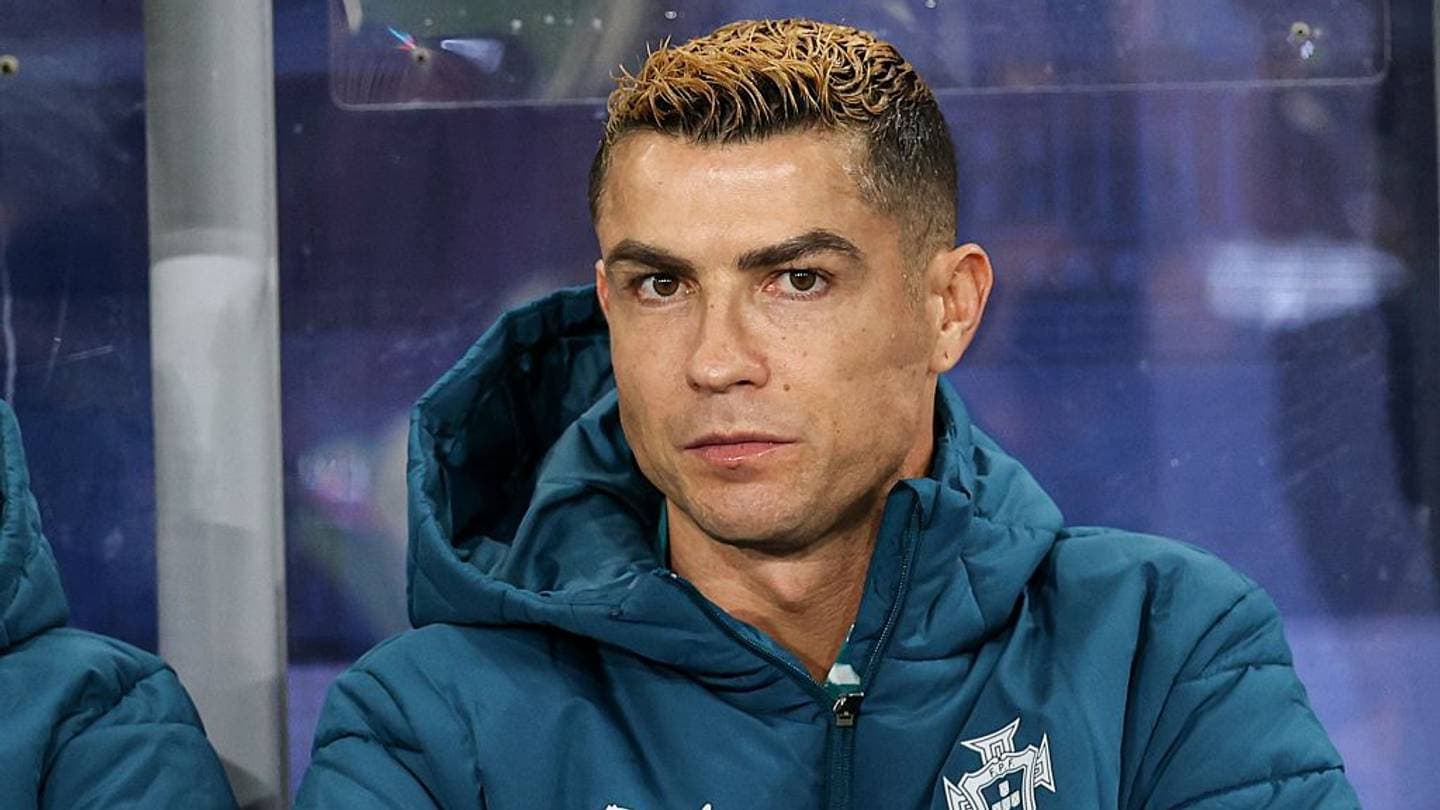
Cristiano Ronaldo’s Portugal open the next matchday against Wales on Thursday, September 24, at 18:45 GMT. Two days later, World Cup semifinalists England host Spain at 18:45 GMT in a fixture heavy with recent history and fresh scars.
No friendlies. No easing in. Just straight back into the fire.
Africa’s next World Cup race
Africa’s performance at the last World Cup rewrote expectations. Ten African teams qualified for the first time, and nine reached the knockout stages, a landmark showing for the continent.
Attention now turns to who makes it next.
Based on FIFA’s international match calendar and previous cycles, African qualifying for the 2030 World Cup is expected to start in September 2027 and run through to 2029.
Morocco, as one of the cohosts for the 2030 tournament, already have their ticket. The remaining places will be contested by the rest of CAF’s nations, with Africa projected to have nine direct berths and the possibility of a 10th through the inter‑confederation playoffs, provided FIFA maintains the current allocation.
The race will be long, brutal, and unforgiving.
Asia’s long road to 2030
For Asia, the World Cup just gone was sobering.
Only Australia escaped the group stage, and they fell in the round of 32 to Egypt. The region now faces a long, demanding rebuild aimed squarely at 2030.
The Asian Football Confederation (AFC) is expected to begin its World Cup qualification campaign in late 2027, with the first matches likely in October or November. While the official schedule has not yet been published, the confederation’s planning documents and calendar point firmly to that window.
From there, the qualifiers will run for almost two years, a marathon that will test depth, planning and resilience across a continent still searching for a collective breakthrough.
The World Cup may have ended, but the calendar has no interest in nostalgia. From WAFCON in Morocco to Mourinho’s Madrid, from Arsenal’s title defence to a reshaped European qualifying system, the next cycle is already forming.
The question now is simple: who will seize the momentum of 2026 and turn it into something even bigger?