The Role and Responsibilities of a Football Team Captain
Wearing the captain's armband might seem like a simple gesture, but the duties behind it extend far beyond just symbolism. A football captain carries responsibilities both on and off the pitch to help the team achieve its best.
What Does a Football Captain Do?
The obvious tasks are easy to spot: captains lead their teams out onto the field, take part in the coin toss, and engage with referees during matches. They manage team interactions in tense moments that could escalate and deliver motivating speeches before kick-off.
Yet much of the captain’s influence is less visible. Acting as a link between the manager and players, the captain conveys coaching instructions in ways teammates understand and trust. When the team's form drops, captains often pinpoint issues and uphold standards. They also support younger or struggling players privately, sometimes before the manager even steps in.
On the field, captains organize the team’s shape, constantly communicate tactical adjustments, and make quick decisions about pressing, set-piece roles, or when teammates need encouragement or firm guidance to refocus.
The Emotional Anchor
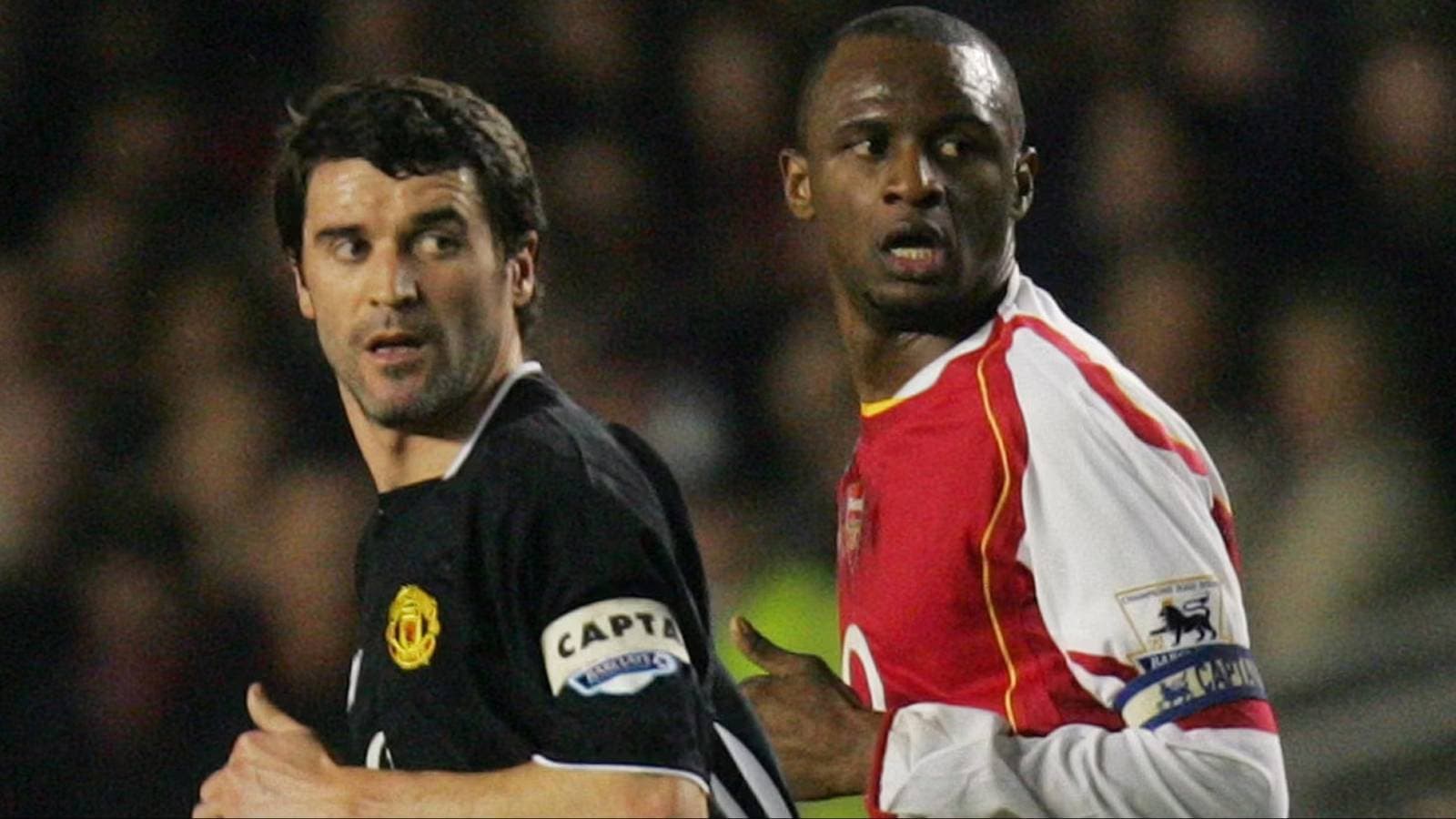
Top captains regulate emotions during the ups and downs of a match. Football can be chaotic, but a captain who stays composed helps keep the whole team steady. For instance, Roy Keane’s intense aggression served Manchester United’s collective goals, while other captains maintain calm but still unify their teammates effectively.
Qualities Needed to Be a Captain
Managers choose captains differently. Alex Ferguson picked the fiery Roy Keane, whose passion energized his squad, whereas Jurgen Klopp preferred calmer leaders like Jordan Henderson and sometimes Virgil van Dijk to run his team smoothly. Both approaches brought success, showing leadership styles vary.
However, some traits remain constant among great captains:
- Respect from teammates: Leaders must earn trust through consistency, professionalism, and prioritizing the team above personal gain.
- Effective communication: Understanding when to offer support or challenge individuals separates good captains from great ones.
- Accountability: Captains hold themselves to the highest standards, never asking anything they wouldn’t do themselves.
Notable Captains in Football History
- Sergio Ramos: Joining Real Madrid in 2005, he captained the club to multiple Champions League and La Liga titles, guiding them through dominant periods at home and in Europe.
- John Terry: Chelsea’s defensive rock for over a decade, Terry contributed to a season where the team conceded only 15 goals and collected numerous trophies including the Champions League.
- Didier Deschamps: Before coaching France, he captained them to World Cup victory in 1998. Known as a defensive midfielder who excelled at winning possession and facilitating play, his selfless style earned him the nickname "water carrier" by teammate Eric Cantona, a term highlighting his crucial role in enabling others to shine.
Simply wearing the armband does not make a captain. But when given to the right player, it can elevate an entire team’s spirit and performance.