Western United's A-League Exit Marks a New Chapter
Western United’s short, turbulent life in the A-League has officially been cut off at the source. The licence is gone. The club is in liquidation. The players have already scattered. And yet, the message from the club on Monday was defiant: this is not the end, just a reset.
The Australian Professional Leagues (APL) confirmed what had long felt inevitable, announcing that Western United was “in breach of a number of its obligations” under the conditional hibernation agreement signed in September last year. That deal was supposed to buy time. Instead, it became a holding pattern before the plug was pulled.
The collapse has been a slow-motion one. United’s A-League existence effectively started unravelling late last year when the club lost its licence with Football Australia and was then placed into liquidation under the weight of a $15 million tax debt. An American investment group circled but never landed; the hoped‑for takeover bid never materialised. Every escape route was explored. None opened.
The APL, in its statement, made a point of recognising the effort, if not the outcome.
They noted that Western had tried to work “through financial, governance and legal matters to try and rebuild the club,” but the reality was stark: there would be no return to the A-League Men or Women under the current ownership.
“It’s been a difficult period for everyone connected to Western United - and we want to acknowledge the management, staff, players and especially the fans - who have given so much to the club and will no doubt be hurt by this news,” he wrote.
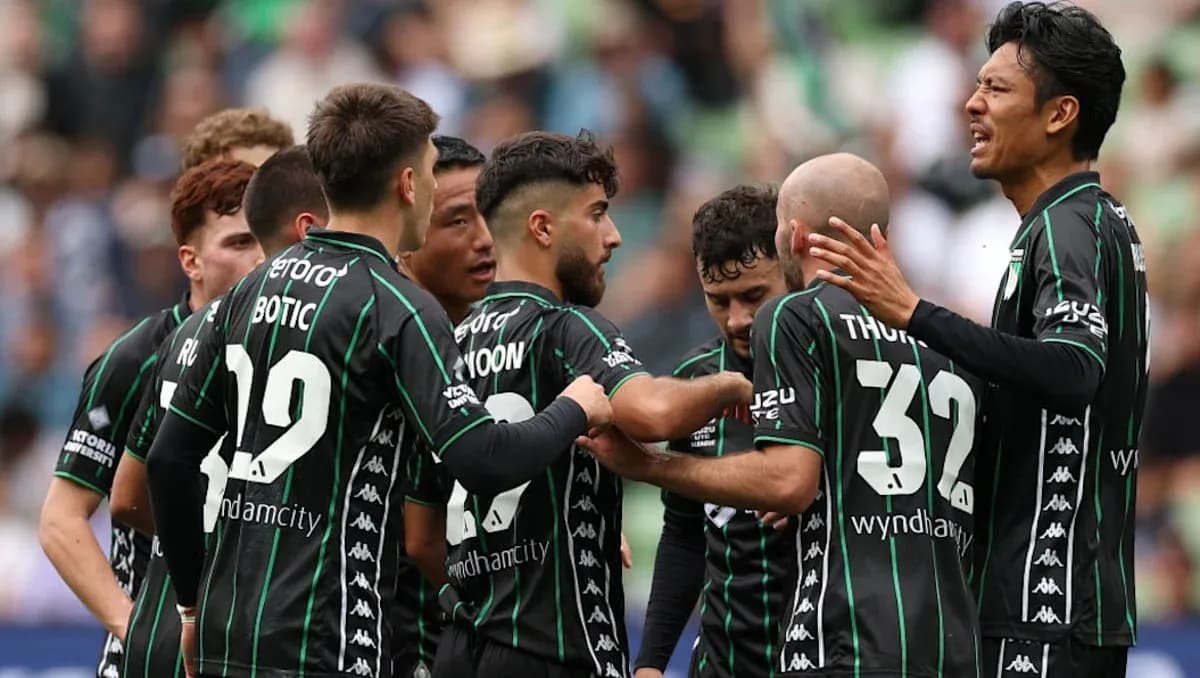
The sporting side had already been hollowed out. When the club entered hibernation last year, every contracted player instantly became a free agent. The squad that once wore green and black simply dissolved into the market. The club insisted at the time that hibernation did not mean death, that the dream of revival was intact. But the exodus told its own story.
Head coach John Aloisi, who led Western United to an A-League championship in 2022, had already read the signs. In January, he departed for a new job in China with Chengdu Rongcheng FC, leaving behind a club whose future was hanging by a thread.
On Monday, that thread finally snapped. Yet Western United chose to frame the licence termination as a pivot point, not a tombstone.
“Today marks a significant moment in our history and the beginning of a new chapter,” the club said in its statement, leaning hard into optimism on a grim day.
They revealed they had been working with the APL “on a pathway that gives the club the best opportunity to survive, rebuild and return to the A-League under new ownership”.
The message was clear: the current incarnation is finished, but the brand, the colours, the idea of Western United in Melbourne’s west – that, they insist, can be salvaged.
“This creates an opportunity for new custodians, new investment and a fresh start,” the statement continued. The target is ambitious and specific. The club wants a route back into the A-League for the 2027/28 season.
To get there, they will need more than hopeful language. Western United outlined a plan, or at least the skeleton of one. The priority, they said, is to find a sustainable model in partnership with the APL, Wyndham City Council, various levels of government, prospective owners and the broader football community.
It is a long list of stakeholders for a club that no longer has a league to play in.
“This should not be the end of Western United. It should be the reset that allows the club to rebuild and return stronger,” the club added.
For now, Western United exists in name, in memory and in paperwork. The licence is gone, the debt is heavy, the team is scattered. The next three years will decide whether “new chapter” is more than just a brave phrase on a dark day in Melbourne’s west.