West Ham's Championship Challenge: A Club in Turmoil
Ten summers on from the move to the London Stadium, West Ham begin life back in the Championship with a cup tie that feels like a verdict. Portsmouth in the Carabao Cup first round, not a Premier League curtain-raiser. A reminder, in black and white on the fixture list, of how far they have fallen.
Relegation has bled into a summer of rancour. What should have been a reset has instead become a reckoning.
A club in the Championship, a board in turmoil
Some clubs use a year downstairs to breathe. West Ham did it in 2011-12 under Sam Allardyce, took stock, went straight back up. The bookmakers think they can do it again in 2026; they are short-odds favourites for promotion. The mood around the club tells a different story.
Behind the scenes, the boardroom is a battleground. Power is being hoarded, traded, defended. The football feels almost secondary.
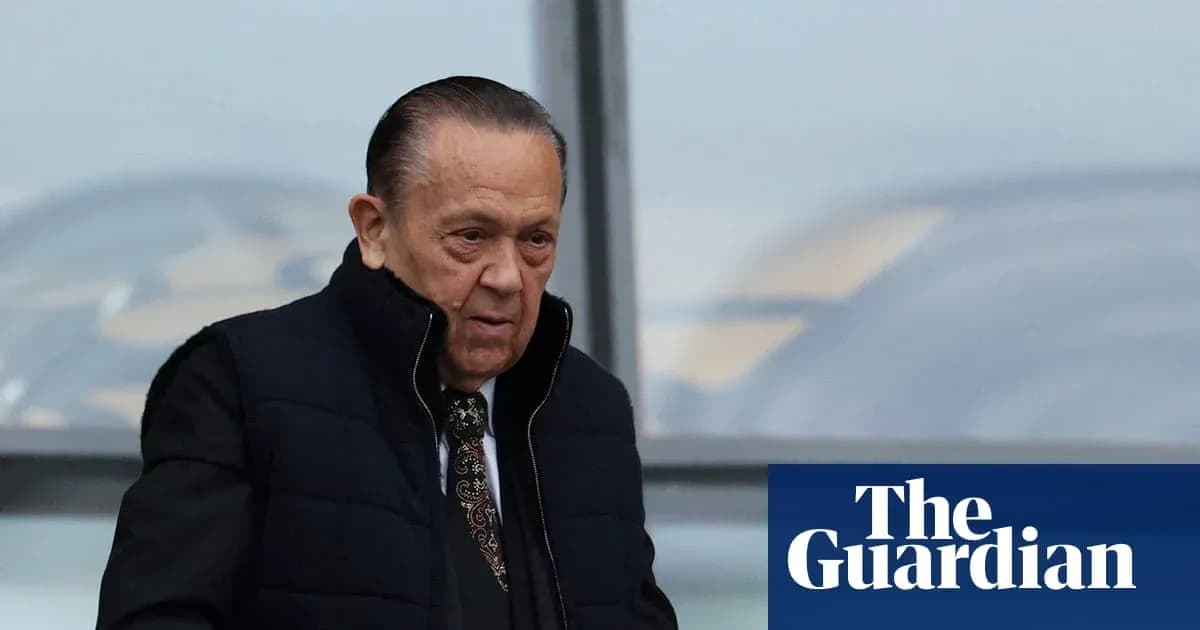
Portsmouth are expected to bring 9,000 fans to east London. The more compelling question is whether David Sullivan will walk through the directors’ entrance. Stadium operators have advised the former joint-chair, still a 38.8% shareholder, to stay away because of the “potential for demonstrations and anti-social behaviour by some spectators”. The fans advisory board has warned his presence would cause “offence and upset”.
Yet the expectation is he will turn up anyway, intent on experiencing the season as a supporter, content for now to park any decision on selling his stake. It would be a provocative act in the current climate. On 25 May, as relegation was confirmed despite a win over Leeds, Sullivan left the ground early for his own safety.
His personal situation has only intensified the anger. Sullivan denies allegations of sexually exploitative and predatory behaviour towards women over several decades, aired by a BBC Panorama documentary in June. On the eve of broadcast he stepped down from his role “to avoid disruption to the club while he addresses the matter privately”. Long before that programme, he had become the lightning rod for discontent, the man blamed for a slide that began almost as soon as the Europa Conference League trophy was lifted in May 2023.
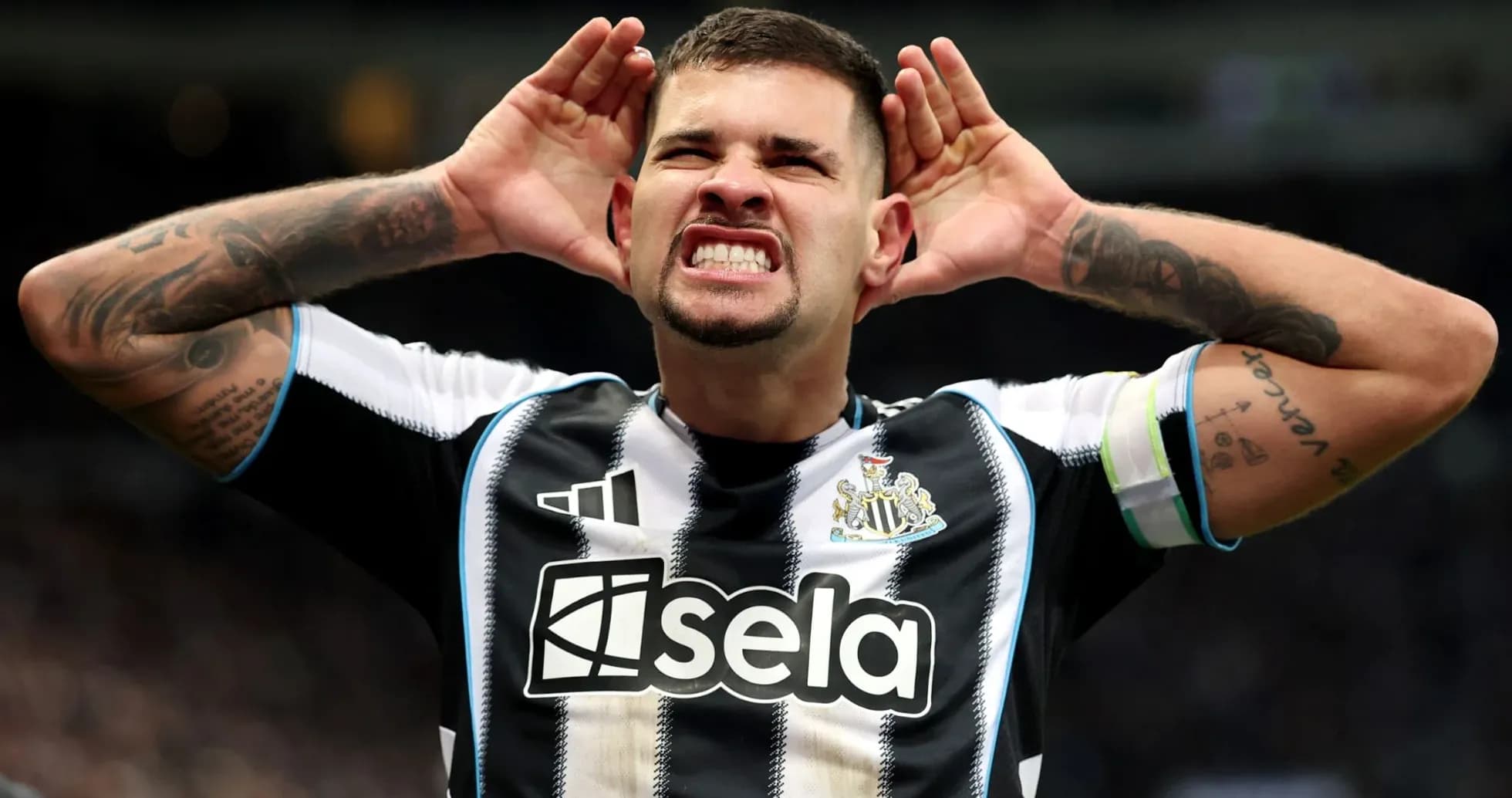
The £100m windfall from Declan Rice’s sale that summer disappeared into a recruitment strategy that never convinced. The squad eroded, the direction blurred. One of Prague’s heroes, Jarrod Bowen, now club captain, has committed to stay and lead the charge back up. It is a loyal, symbolic stand in a dressing room that has lost too much quality too quickly.
Until his removal, Sullivan effectively acted as director of football, a role that exasperated many inside the football operation. His closest ally, Karren Brady, stepped down in April as the storm gathered, ending a working partnership that stretched back to 1990. The old guard is fracturing, but not yet gone.
New money, old shadows
On the terraces, appetite for change is overwhelming. Around 50,000 season tickets have been sold, a remarkable figure for a relegated side, but the loudest demand is simple: Sullivan out.
His decision to step back from day-to-day control sparked a flicker of hope. New owners, a new era, a clean break from the past. Yet the succession picture is tangled, the future opaque.
Daniel Kretinsky, the Czech billionaire and Royal Mail owner, appeared the obvious heir. He has held 27% of West Ham since 2021 and was widely tipped to seize control once Sullivan moved aside. Instead, this week he trimmed his holding to just under 25%. On the surface, it jarred with expectations. In reality, it fits a careful strategy.
The key lies in the 25% stake once owned by the late David Gold. His daughter, Vanessa Gold, now co-chair, holds that block. Kretinsky has first refusal on buying it. Adding the Gold shares to his original 27% would have pushed him beyond 50.1%, triggering a mandatory takeover offer. By moving 2% of his stake to compatriot and business ally Jakub Havrlant, Kretinsky has stepped away from that obligation while keeping his hand on the lever.
If he does move for the Gold shares, he can still secure a powerful position without being forced into an immediate full buyout. It would also cut across the ambitions of a new player on the scene.
Last weekend, Amanda Staveley resurfaced. The architect of Newcastle’s Saudi-backed takeover left St James’ Park in July 2024, but has made no secret of her desire to remain in football. She was linked with Tottenham last September; now her focus is West Ham, with suggestions she could again tap into similar funding sources.
Among Newcastle supporters, there is a lingering appreciation for her drive and deal-making. Among West Ham fans, some see her as a potential catalyst, someone capable of jolting the club out of its drift. Yet her path runs straight into Kretinsky’s. His manoeuvre over the Gold stake has complicated her route to control. Sullivan, with his 38.8%, still holds the balance of power. Staveley’s next move will be watched closely, but the final say, for now, remains in familiar hands.
Squad stripped, manager stays
While the boardroom plots and counter-plots continue, Nuno Espírito Santo quietly prepares for Burnley, Charlton, Watford and Wolves – the first wave of Championship fixtures that will define West Ham’s autumn.
Nuno was widely expected to go after relegation. He stayed. His calm, almost meditative touchline demeanour will be tested at a club where panic is never far from the surface.
The squad he inherits is lighter, and not by accident. The first signing of the summer, free agent Joël Veltman from Brighton and Ajax, arrived without a fee. The real money has flowed out of the door. Mateus Fernandes has joined Tottenham, Crysencio Summerville has gone to Al-Hilal; together their exits have brought in around £140m, roughly equivalent to a season of Premier League television income.
Freddie Potts, a homegrown midfielder and a symbol of the academy’s promise, has been sold to Club Brugge for £10m, a move that has stung sections of the support. The message is clear: relegation bites, and it bites hard. If West Ham are to reshape the squad, they must sell to buy.
There is interest in Troy Parrott, Ireland’s World Cup playoff hero now at AZ Alkmaar. He fits the profile of a forward who could thrive at Championship level and grow with the club. Convincing players of his calibre to drop into the second tier, though, is never straightforward. The badge still carries weight, the stadium still glitters, but the division on the fixture list changes conversations.
Karim Virani has returned as interim chief executive after a spell at Rangers, tasked with knitting together a club frayed by relegation, ownership uncertainty and a thin transfer window. He knows the place, knows its politics, and knows that unity is in short supply.
A stadium that never quite felt like home
Beyond the pitch and the boardroom, the London Stadium has had a busy summer of its own. Take That and Metallica filled it with music. The Diamond League filled it with athletes, Josh Kerr rewriting the world mile record on the same turf that watched West Ham slide out of the top flight.
A bid is now in to host the 2029 World Athletics Championships, a move that underlines the venue’s multi-purpose identity. For the club, it is another reminder that their home will never be entirely theirs. Ten years on from leaving the Boleyn Ground, the resentment over the terms struck by Sullivan, Gold Sr and Brady still simmers. The running track, the cavernous bowl, the sense of being tenants rather than owners – all of it feeds into the current discontent.
On Saturday, as Portsmouth’s 9,000 make themselves heard and West Ham’s 50,000 season-ticket holders look on, the stadium will again become a stage for something more than a first-round cup tie. It will frame a club wrestling with its past decisions, its present chaos and its uncertain future.
Promotion is the target. Unity is the need. Ownership is the question that will not go away.