Walid Ouahbi's Reaction to Controversial France Goal
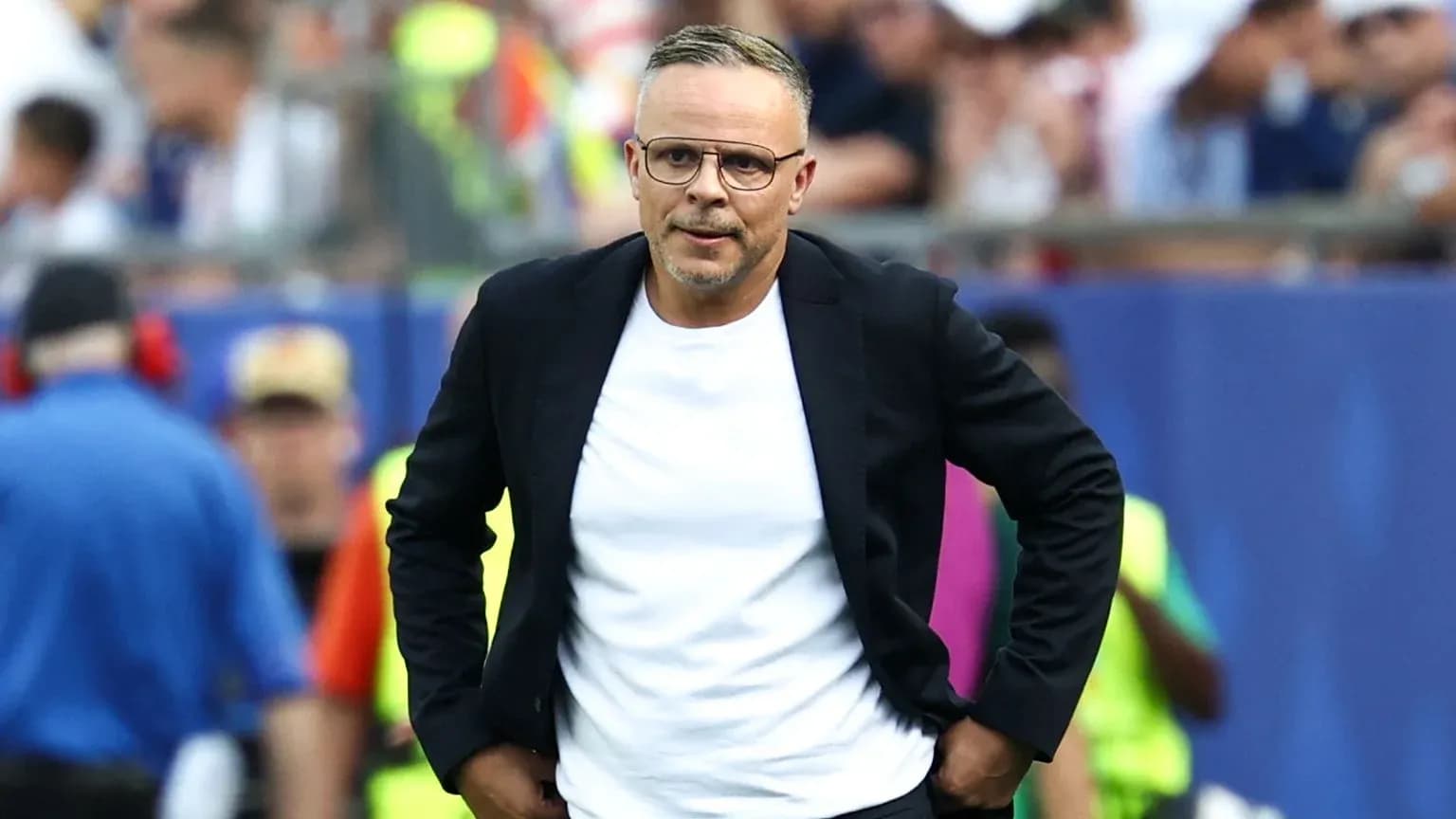
Walid Ouahbi left the pitch with anger in his voice but respect in his words.
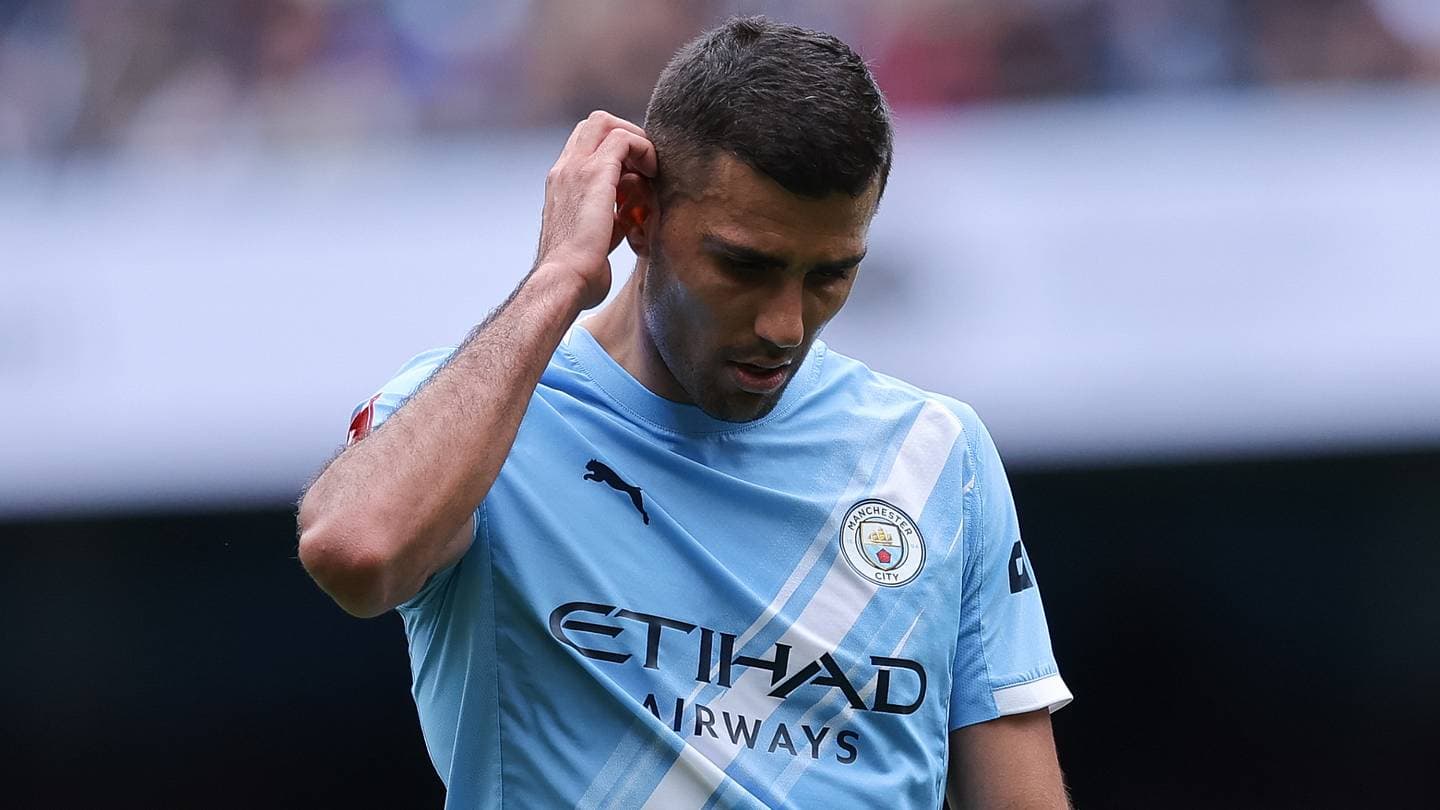
The Morocco coach was furious that France’s opening goal was allowed to stand, insisting Adrien Rabiot had handled the ball in the build-up before Kylian Mbappe lashed it past Yassine Bounou.
Ouahbi’s side had stopped, convinced the whistle would come. It never did.
“The goal came from a bit of a... shared ball, some people stopped because they saw a handball,” he told beIN Sports. “It was a handball, I don’t know if it should have been called or not, I don’t know.”
The frustration was raw. The sense of injustice, obvious. A split-second decision, a touch on the arm, and France were away, punishing the hesitation with the ruthless clarity of a top side.
Yet once the anger over that moment had been voiced, Ouahbi shifted tone. He knew exactly what his players had been up against.
“We have to admit that we played against a very good team,” the 49-year-old said. “We suffered a lot in the first half, and Bounou made a great save on the penalty.”
Morocco bent but did not break. Bounou’s stop from the spot kept them alive, and after the interval they finally began to look like themselves.
In the second half, the shape tightened, the passing calmed, and the panic that marked the opening period faded. Morocco started to string moves together, to breathe again.
“In the second half, we defended better and, above all, we were more composed with the ball. We were much better,” Ouahbi reflected. “In the first half, it seemed like some players were catching their breath. We saw that these same players started the second half well.”
The improvement was clear, but the clock was cruel. Legs tired, spaces opened, and the final minutes turned into a test of pure resistance.
“It was tough at the end,” he admitted.
This was not a coach looking for excuses. He circled back to work, to planning, to the depth his squad still needs if it is to live at this level every game.
“I believe we must continue to believe, to work,” he said. “We must also continue to work on the basics, ensuring that when there are injuries, players who are less fresh, we can have a larger pool of players.”
That is the next step: a broader bench, more options, fewer players gasping for air in the decisive moments.
“We will continue, we will not stop here. We are very disappointed, we wanted more, but we have to accept it.”
The grievance over the handball will linger. The lesson, Ouahbi made clear, must last longer.