Wales Withdraws Support for FIFA President Infantino Over Investment Plan
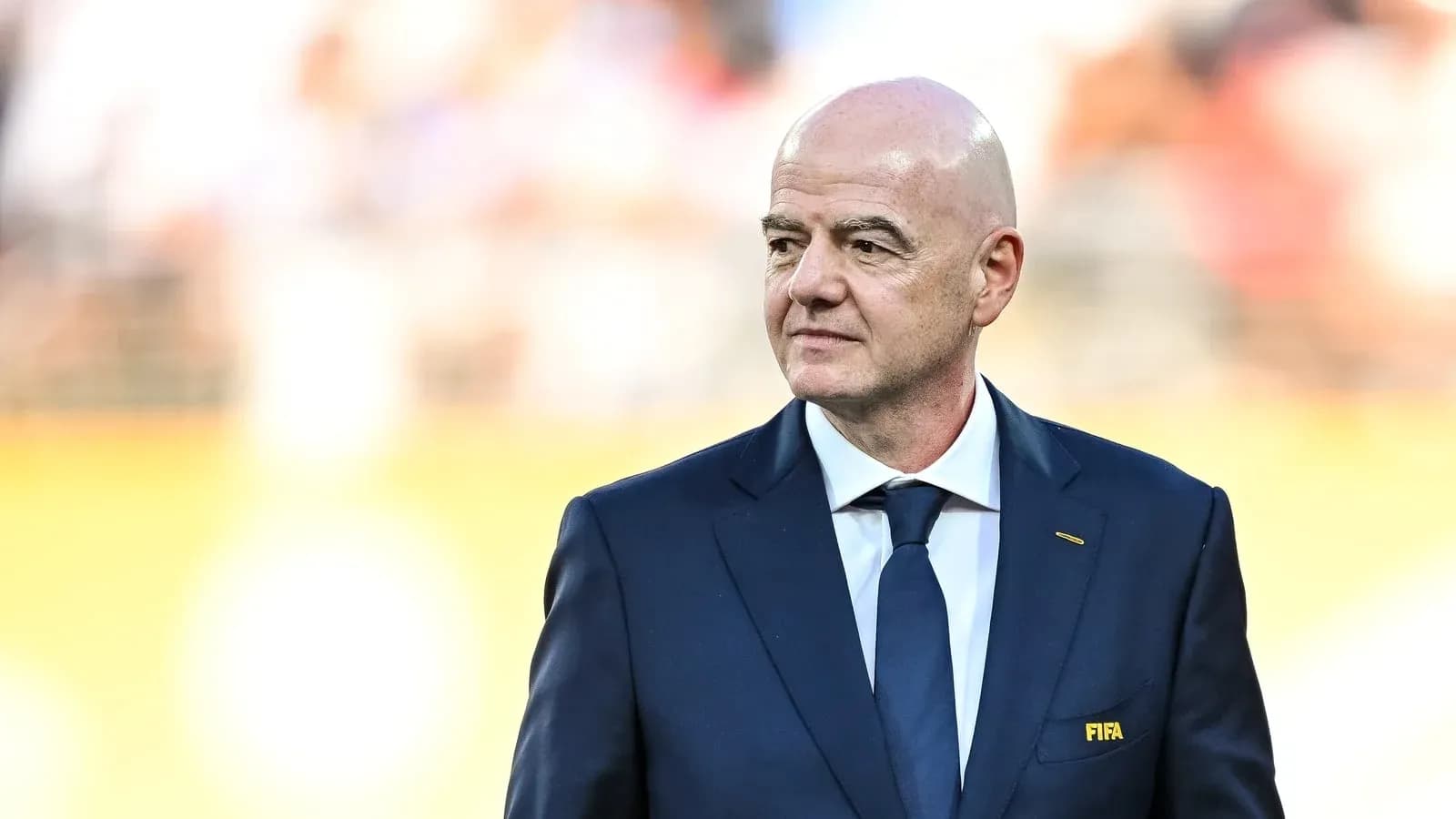
The Football Association of Wales has delivered a sharp public rebuke to FIFA president Gianni Infantino, withdrawing its backing for his re-election and accusing him of failing the game on core principles of governance and leadership.
Infantino, who is expected to stand again in March for the 2027–2031 term, last week abandoned a controversial project to sell stakes in World Cup commercial rights to private investors. The plan, widely condemned across the sport, had already been rejected by three confederations. Its collapse has now triggered one of the most pointed challenges yet to his authority.
In a strongly worded statement, the FAW confirmed it no longer supports the Swiss administrator’s candidacy.
“The Football Association of Wales hereby confirms its withdrawal of support for the candidature of Mr Gianni Infantino, for re-election as FIFA president for the 2027–2031 term,” the statement read.
Then came the real sting.
Citing “recent failures in good governance, processes, leadership, values, stakeholder management, communications and sound judgement,” the FAW said Infantino had “lost the confidence of the FAW to remain at the helm of world football.”
For a national association to publicly list that many areas of concern is striking. This was not a gentle nudge behind closed doors. It was a declaration that, in Wales’ view, the current FIFA leadership has strayed too far from the standards expected of the sport’s global guardian.
The flashpoint has been Infantino’s push to explore selling off parts of the World Cup’s future revenue streams to external investors, a move critics saw as an attempt to mortgage football’s crown jewel. When the backlash grew, the proposal was shelved. The damage, at least in Cardiff, was done.
“Failing to put the best interests of football first is a failure we cannot accept,” the FAW concluded.
With that line, Wales drew a clear red line. It also became the first football association to formally withdraw support for Infantino’s re-election bid, a symbolic step that raises the temperature ahead of next year’s vote.
Infantino has already spent close to a decade in charge at FIFA, a tenure marked by sweeping reforms on paper but persistent questions over transparency, decision-making and the commercial direction of the World Cup. The World Cup investment saga has now sharpened those questions.
Whether other associations follow Wales’ lead will define how isolated the FIFA president truly is. For now, one thing is clear: the once-assured march towards another term has met its first open roadblock, and it has come from a member association no longer willing to stay silent.