Tragic Death of SC Villa Captain David Owori Shocks Ugandan Football
Ugandan football has been plunged into mourning after SC Villa captain and Uganda international David Owori died following an assault in Kampala.
Police confirmed the 28-year-old midfielder was attacked by unidentified assailants in a city suburb on Tuesday. Racheal Kawala, a police spokesperson, said Owori was found unconscious by passers-by, rushed to a nearby hospital and later transferred to another facility, where he was pronounced dead.
The news has rocked a country still reeling from another recent sporting tragedy. Only weeks ago, Rugby international Sydney Gongodyo was killed in the capital after what police said was a mob assault, apparently triggered by a case of mistaken identity.
For Ugandan sport, the sense of loss is now layered and raw.
Owori was not just another name on a teamsheet. He wore the armband for SC Villa, the country’s most decorated club, and last season he stood at the heart of one of their great modern stories. After a 20-year wait, Villa finally reclaimed the Uganda league title, extending their record with a 17th crown. It was Owori who lifted the trophy, the image of a captain who had dragged a fallen giant back to the summit.
That is how many will choose to remember him: in blue, arms raised, a club reborn behind him.
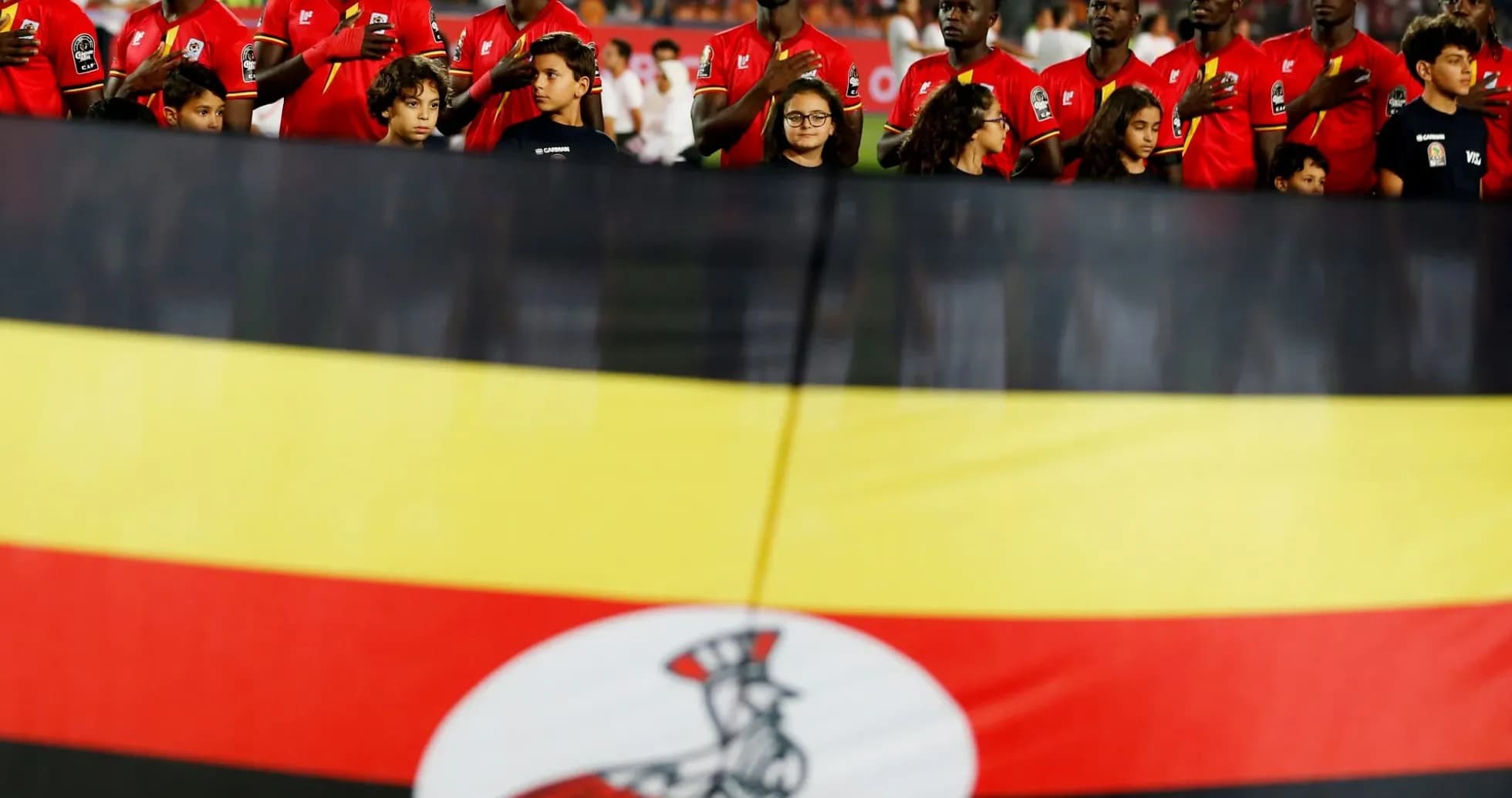
The national governing body moved quickly to mark his influence. In a statement, the Federation of Uganda Football Associations described him as more than a player, calling him a leader and an inspiration, a captain who led SC Villa with courage, humility and passion, and a Uganda Cranes international who carried the hopes of a nation.
On social media platform X, grief soon hardened into anger. Supporters, players and ordinary Ugandans voiced outrage at the killing and turned their frustration towards what they see as a deepening security crisis in the capital. Kampala, the bustling heart of the East African country, has long struggled with crime, but the back-to-back deaths of high-profile athletes have sharpened the debate over public safety.
The National Council of Sports Uganda, the state-run body, captured the mood in a stark reflection, noting that Ugandan sport has been hit by many such tragedies in recent times and calling for justice and a lasting solution.
Owori’s death sits in grim parallel with that of Gongodyo. In June, the rugby player died after a mob assault in Kampala, with police saying he was apparently mistaken for a thief. Two athletes, two violent deaths, the same city, the same national questions.
Those questions have now reached the political arena. Deputy Speaker Thomas Tayebwa has urged authorities to confront the wider security challenges facing the country, according to a statement published on parliament’s website. It is a call that echoes the demands of fans who do not want to see another sporting hero lost on the streets they walk every day.
For SC Villa, the pain is intensely personal. They had just climbed back to the top of Ugandan football, with a captain who embodied their resurgence. Now, only months after that long-awaited title, the club must process the loss of the man who led them there.
A season that promised to build on a renaissance has instead been overshadowed by a brutal question: how many more of Uganda’s sporting lights must be extinguished before the violence is brought under control?