The Town vs Portland Timbers II: A Clash of Styles
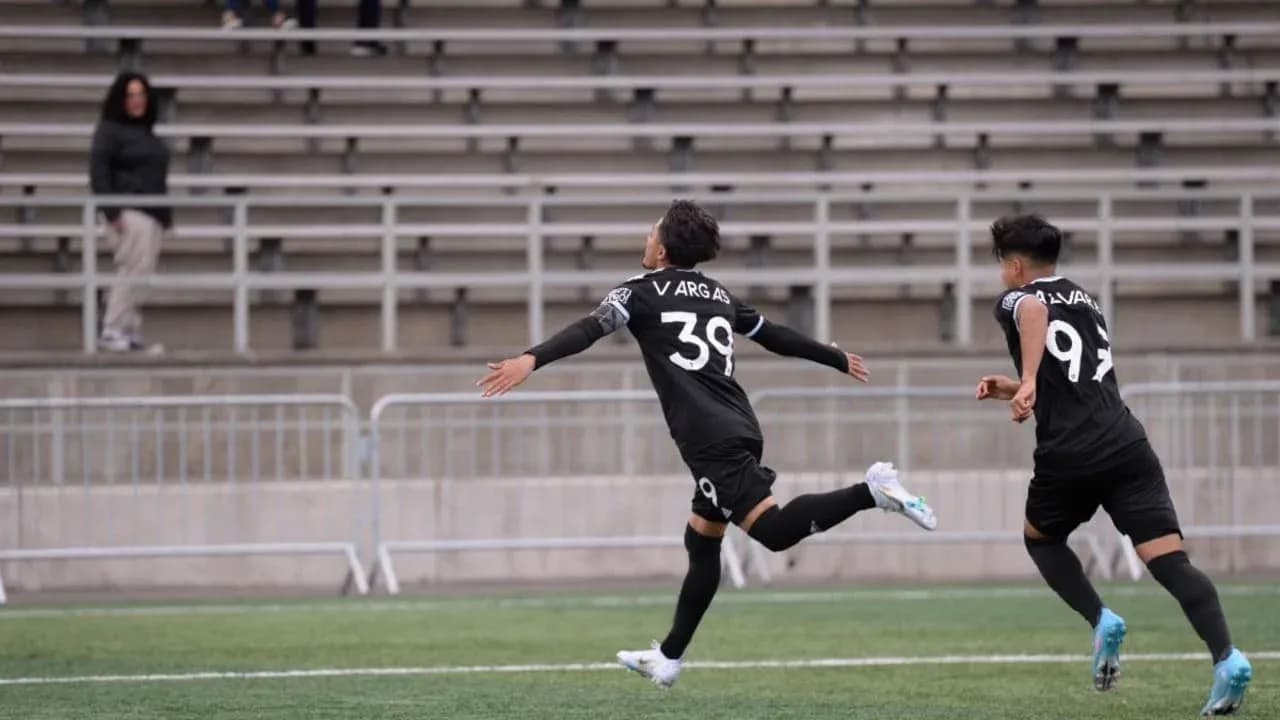
Under the lights at PayPal Park, this MLS Next Pro Group Stage meeting felt like a clash between two emerging identities. The Town arrived as one of the division’s great entertainers, a side whose season has been defined by volatility and goals. Portland Timbers II came in as something more pragmatic: a team that wins more than it dazzles, but sits top of the Pacific Division for a reason.
Following this result, the league table underlines the contrast. The Town sit on 17 points from 10 matches, 5 wins and 5 defeats, with a total goal difference of +11 from 21 goals scored and 10 conceded. Portland Timbers II, meanwhile, have 20 points from 10 games, with 6 wins and 4 losses and a total goal difference of +2, scoring 14 and conceding 12 overall. Where The Town’s season has swung between extremes, Portland’s narrower margins have been enough to keep them in front.
Yet this night ended with the away side edging a 1-0 win, a scoreline that cut against The Town’s usual pattern. At home this campaign, The Town have averaged 2.8 goals scored and just 0.8 conceded, turning PayPal Park into an attacking playground. Portland, by contrast, had been more balanced on their travels, averaging 1.3 goals both for and against away from home. That The Town failed to score here – only the second time at home in total this season they have drawn a blank – speaks volumes about how the visitors imposed their own tempo on the game.
If formations were not formally listed, the shapes revealed themselves in the personnel. For The Town, F. Montali in goal stood behind a young, flexible back line of J. Heisner, A. Cano, N. Dossmann and M. Kwende, with the structure in front of them built around the ball-playing intelligence of R. Rajagopal and the energy of G. Bracken Serra. Ahead, the attacking trident of Z. Bohane, K. Spivey and S. de Flores, supported by the industrious J. Donnery, promised movement and interchanges more than a classic target presence.
Portland Timbers II mirrored that youth and versatility. S. Joseph anchored the defence, with A. Bamford, N. Lund, C. Ondo and C. Ferguson forming a back line that could fan out to build or compress to defend the box. In midfield, V. Enriquez and L. Fernandez-Kim provided the metronome, while C. Griffith – notable across the league’s leaderboards – floated between the lines, linking with E. Izoita, N. Santos and the tireless D. Cervantes.
The tactical voids, on both sides, were less about absentees and more about temperament. There were no recorded suspensions or confirmed injuries shaping the selections, but the disciplinary profiles of the two teams cast a shadow over how they approached the contest. The Town’s yellow-card distribution leans heavily towards late phases: 29.41% of their total yellows arrive between 76-90 minutes, with another 23.53% in the 46-60 window. Add a red card concentrated in the 31-45 range (100.00% of their reds total) and you get a picture of a side that often lives on the edge as matches stretch and nerves fray.
Portland’s discipline curve is even more telling. A combined 56.00% of their yellows come between 61-90 minutes (32.00% in 61-75, 24.00% in 76-90), with another 16.00% in the 46-60 slot. This is a team that tends to get dragged into physical, card-heavy battles precisely when game states become most fragile. In a tight 1-0 away win, that late-game volatility became a risk they just about managed.
Within that landscape, the “Hunter vs Shield” duel took on a collective rather than individual form. The Town’s attack at home – 11 goals in 4 matches, an average of 2.8 – has been one of the league’s most potent units, capable of six-goal explosions like their 6-1 home win. Portland’s defensive record away, conceding 5 in 4 (1.3 on average), is solid but not impregnable, and they have known collapse on their travels, including a 5-0 defeat. On paper, the Hunter should have had the edge.
But the Shield here was systemic rather than statistical. Portland’s four total clean sheets this season, three of them away, show a team that can lock games down on their travels. They arrived with a clear plan: compress central spaces where Rajagopal and Bracken Serra like to operate, deny The Town’s front line the pockets they usually exploit, and accept that their own attacking output might be limited in exchange for control.
The “Engine Room” duel was most evident in midfield. For The Town, Rajagopal is the quiet conductor, tasked with connecting a side that scores 2.1 goals per game in total but can leave itself exposed in transition. Portland’s answer lay in the double presence of Enriquez and Fernandez-Kim, screening passing lanes and ensuring that Griffith could conserve energy for moments in the final third rather than chase shadows. Every time The Town tried to accelerate through the middle, that Portland block shuffled, slid and reset, turning what is usually a free-flowing home attack into a series of half-chances and hopeful deliveries.
Discipline, again, framed the closing stages. With both teams historically prone to late bookings, the final quarter-hour was always likely to tilt on who kept their composure. The Town, whose late yellows often coincide with defensive lapses, were forced to chase the game, pushing Kwende and Heisner higher and leaving Cano and Dossmann exposed. Portland, for all their own penchant for late cards, stayed just inside the line, using experienced substitutes like M. Deisenhofer, C. Cruthers or B. Barjolo (all available on the bench) to inject fresh legs and disrupt rhythm without tipping into chaos.
In xG terms, this had the feel of a low-margin contest. The Town’s season-long attacking averages suggest they usually generate enough volume to score at least once, particularly at home. Portland’s away profile – 1.3 goals for and 1.3 against on their travels – points to tight, balanced games where individual moments matter more than sustained dominance. Here, Portland’s defensive solidity, underpinned by those four total clean sheets and a perfectly converted penalty record this season (2 scored from 2, 0 missed), aligns with a side comfortable living on small edges.
Following this result, the prognosis is clear. The Town remain one of the conference’s most dangerous home sides, but their binary record – no draws, only wins or losses – hints at a team that has not yet mastered game management when their attacking flow is disrupted. Portland Timbers II, meanwhile, continue to thrive in the margins, their capacity to grind out 1-0s away from home reinforcing their status near the top of both the Pacific Division and the Eastern Conference playoff picture. In a league often defined by chaos and goals, this was a reminder that control, structure and late-game discipline can still write the final line of the story.