Top 10 Teams Poised for Success in the 2030 World Cup
The giants have gone. The 2026 World Cup closed on the sight of Lionel Messi, Cristiano Ronaldo, Luka Modric, Neymar, James Rodríguez and Guillermo Ochoa walking off in tears, each knowing this was likely the last dance on the biggest stage.
The next one arrives fast. By 2030, anyone hitting 32 will be adjusting diets, hiring extra physios and bargaining with time. The nations best placed for that tournament are the ones whose core is already in its prime, not clinging to one more miracle from an aging star.
Here are the 10 teams with the strongest foundations to reach at least the last eight in 2030.
1) Spain – Champions, hosts, and nowhere near finished
Spain will arrive at their home World Cup as defending champions and the team everyone else measures themselves against. A rare double burden. Also a terrifying prospect for opponents.
Luis de la Fuente has built a side that knows exactly what it is. His players buy in, they run, they press, they keep the ball, and they trust the system. That clarity could turn this group into a long-term superpower.
The spine is already in place for 2030. Unai Simón (32), Joan García (29) and David Raya (34) can easily reprise their goalkeeping carousel. In front of them, Marc Pubill (26), Eric García (29), Pedro Porro (30) and Pau Cubarsí (23) form a defensive unit with years still to grow together.
Midfield remains the jewel. Dani Olmo (32), Gavi (25) and Pedri (27) all project to return, with Rodri (33) still a commanding presence at the base if his body allows. Out wide, Nico Williams (27) and Lamine Yamal (22) have already shown how they can tilt a knockout game, and Ferran Torres (30) may once again lurk as a ruthless option from the bench.
Behind the champions’ 26-man squad, the production line keeps humming. Dean Huijsen (25) and Cristhian Mosquera (25) are ready-made candidates to take over from Aymeric Laporte (36). In midfield, Fermin López (27), Pablo Barrios (26), Javier Guerra (27), Marc Bernal (23) and Jesús Rodríguez (24) have all tasted life under de la Fuente.
Up front lies the only real unknown. If Samu Aghehowa (26) or Gonzalo García (26) can emerge as a reliable No 9, Spain’s possession machine might find yet another gear. That’s the nightmare scenario for everyone else.
2) France – Zidane steps in, scars still fresh
France do not lack talent. They rarely do. What they lacked in 2026 was a way to solve Spain’s structure when it mattered most, crumbling in a semi-final that will sting for years.
Into that dressing room walks Zinedine Zidane, replacing Didier Deschamps after three World Cups and diminishing returns. Zidane’s Real Madrid sides were defined by star management and big-moment clarity more than intricate tactical innovation. International football may suit him perfectly.
Mike Maignan (34) should still be one of the world’s most reliable goalkeepers. In front of him, Dayot Upamecano (31), Ibrahima Konaté (31) and William Saliba (29) offer size, recovery pace and high-level experience.
The midfield options are almost embarrassing. Manu Koné (29) and Aurélien Tchouaméni (30) already look built for tournament football, while Eduardo Camavinga (27) and Khéphren Thuram (29) lurk as high-class alternatives after missing out on the 2026 squad.
Up top, Kylian Mbappé (31) will chase more records and more trophies, not nostalgia. Michael Olise (28) and Désiré Doué (24) can supply him with angles, dribbles and goals of their own. The question isn’t whether France can compete. It’s whether Zidane can turn this depth into something ruthless when the pressure spikes.
3) England – Talent for a decade, one Kane-sized question
England walked out of 2026 with mixed emotions. They survived a thriller against Mexico, dug deep to overturn Norway, then froze when 2-0 up against Argentina. The collapse will linger. The squad profile suggests the story isn’t over.
The bones of a serious contender are already there. Marc Guéhi (29) looked like a leader in central defense, and Djed Spence (29) hit his stride at exactly the right time. In midfield, Declan Rice (31), Elliot Anderson (27), Jude Bellingham (26) and Kobbie Mainoo (25) give any coach a wealth of combinations, from control to chaos.
Out wide, Bukayo Saka (28) and Anthony Gordon (29) have already shown they can handle the stage. The problem lies in the middle of the front line. Harry Kane will be 36 in 2030. Can he still be a 90-minute focal point? England have not yet found an obvious heir to their record scorer, and that uncertainty hangs over the entire project.
Goalkeeper is another open contest. But the depth elsewhere is striking. Lewis Hall (25), Cole Palmer (28), Adam Wharton (26), Alex Scott (26), Phil Foden (30), Rio Ngumoha (21) and Ayden Heaven (23) all missed out on Thomas Tuchel’s World Cup squad yet remain part of a generationally rich pool.
The tools are there. The next four years will be about solving the No 9 riddle and finally turning promise into a trophy run.
4) Morocco – Co-hosts with a cause
Morocco are no longer a feel-good story. They are a serious tournament team. Two straight World Cup quarter-final appearances, one of those ending in the semi-finals. An Afcon 2025 crown in their trophy cabinet. A new coach who injected more attacking verve without losing defensive steel.
They will co-host in 2030 with a platform already built.
Achraf Hakimi (31), Chadi Riad (26), Anass Salah-Eddine (28) and Noussair Mazraoui (32) give Morocco continuity and quality across the back line. In midfield, Ayyoub Bouaddi (22) should only sharpen after his breakout World Cup, with Azzedine Ounahi (30) still gliding through pressure beside him.
Higher up, Ismael Saibari (29) looked a constant threat before injury cut him down, while Bilal El Khannouss (26), Gessime Yassine (24) and Brahim Díaz (30) all carry the kind of creativity that unsettles even elite defenses.
The next wave is already winning. Morocco took the most recent U-20 World Cup, powered by forwards Othmane Maamma (24) and Yassir Zabiri (25), plus goalkeeper Ibrahim Gomis (25). If Yassine Bounou (39) somehow maintains anything close to his current level, Morocco will be a nightmare draw on home soil.
The question is no longer whether they belong. It’s how far they can push the ceiling.
5) Argentina – Life after Messi, whether they like it or not
Argentina’s march to the 2026 final underlined a truth the world already knew: Lionel Messi didn’t just define their attack, he defined their identity. Teammates ran harder because he was on the pitch. Opponents changed shape because he existed. There is no replacing that.
But Argentina are not empty once he steps away.
Julián Álvarez (30) has steadily grown into a leading role and will expect to spearhead the attack again, with Lautaro Martínez (32) still an elite finisher in support. Enzo Fernández (33), sent off in a moment that will haunt him, should become the midfield anchor for this cycle.
At the back, Nahuel Molina (32), Cristian Romero (32) and Lisandro Martínez (32) bring experience and bite, while Emiliano Martínez (37) remains the kind of goalkeeper who relishes shootouts and pressure.
The pipeline remains strong. Argentina finished runners-up at the last U-20 World Cup, with midfielder Milton Delgado (24), left-back Julio Soler (25) and goalkeeper Santino Barbi (24) emerging as names to track.
Messi cannot be replaced. The structure around him can be reshaped. That will define Argentina’s 2030.
6) Portugal – A golden chance gone, or one more push?
Portugal leave 2026 with a nagging regret. The squad looked ready. The performances, at times, justified belief. But the lack of a more mobile, natural line-leader up front cost them when margins tightened.
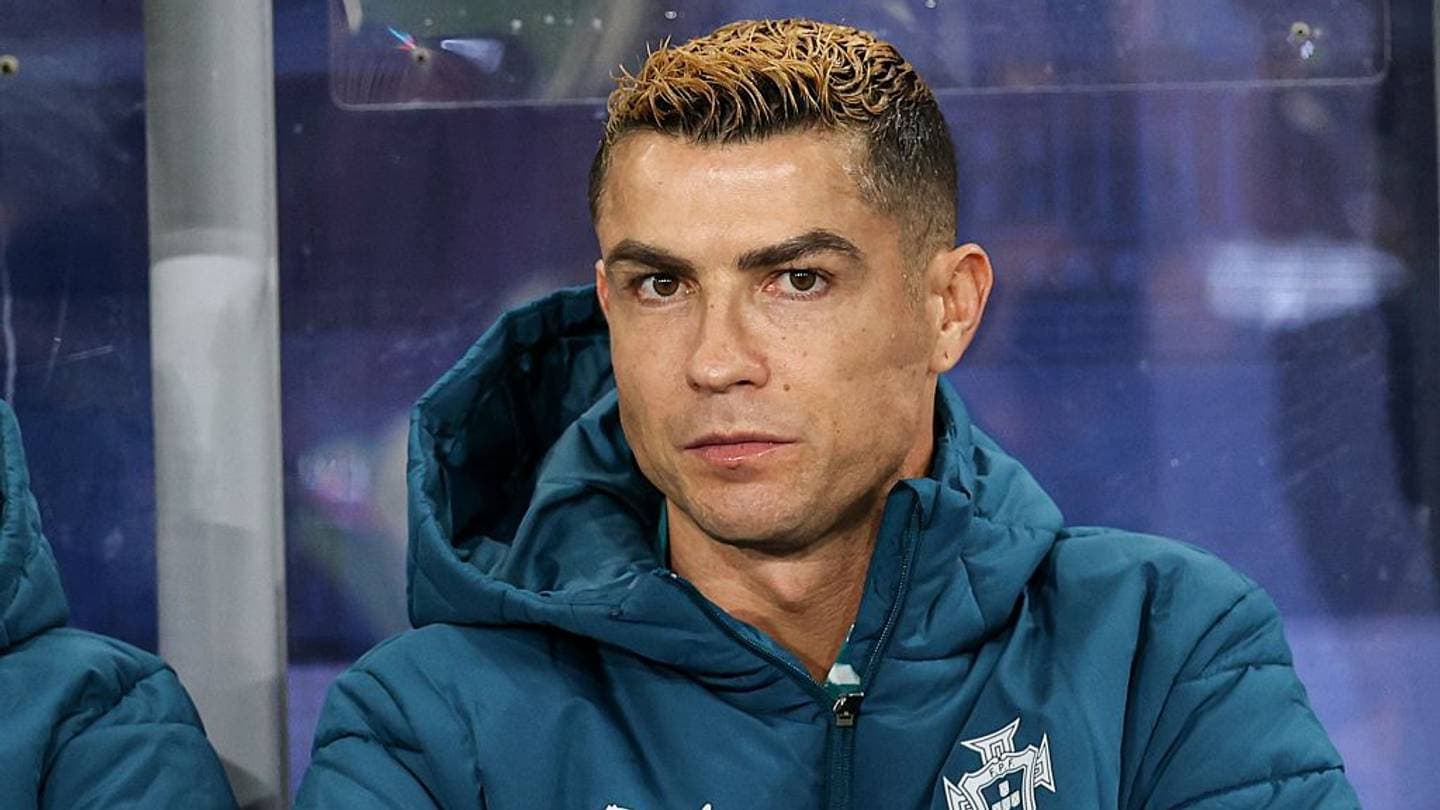
Cristiano Ronaldo has already ruled out playing at 45 in 2030. His absence changes everything and nothing at once. The team still has talent everywhere. The fear is that Roberto Martínez may have already let the best window slip by.
Diogo Costa (30) ranks among the world’s top goalkeepers and should only be more commanding by 2030. In defense, Gonçalo Inácio (28) and Nuno Mendes (27) offer a strong platform, while António Silva (26) will look to reboot his promising career, seemingly at Bournemouth.
Midfield remains a strength. João Neves (25) and Vitinha (30) would walk into most national teams, dictating tempo and knitting play together. In attack, Gonçalo Ramos (28), João Félix (30) and Francisco Conceição (27) are all capable of match-winning moments.
The concern is age. Bruno Fernandes (35), Bernardo Silva (35) and Rúben Dias (33) will all be nearing the end of their peak years. Portugal can still contend, but the sense of a missed golden opportunity will hang over every qualifier and every friendly.
7) Norway – Haaland’s joy, a nation’s belief
Norway arrived in 2026 as dark horses and left as one of the tournament’s revelations. Their quarter-final run felt earned, not accidental, and the atmosphere around the squad became the envy of the competition.
Crucially, the core should be back.
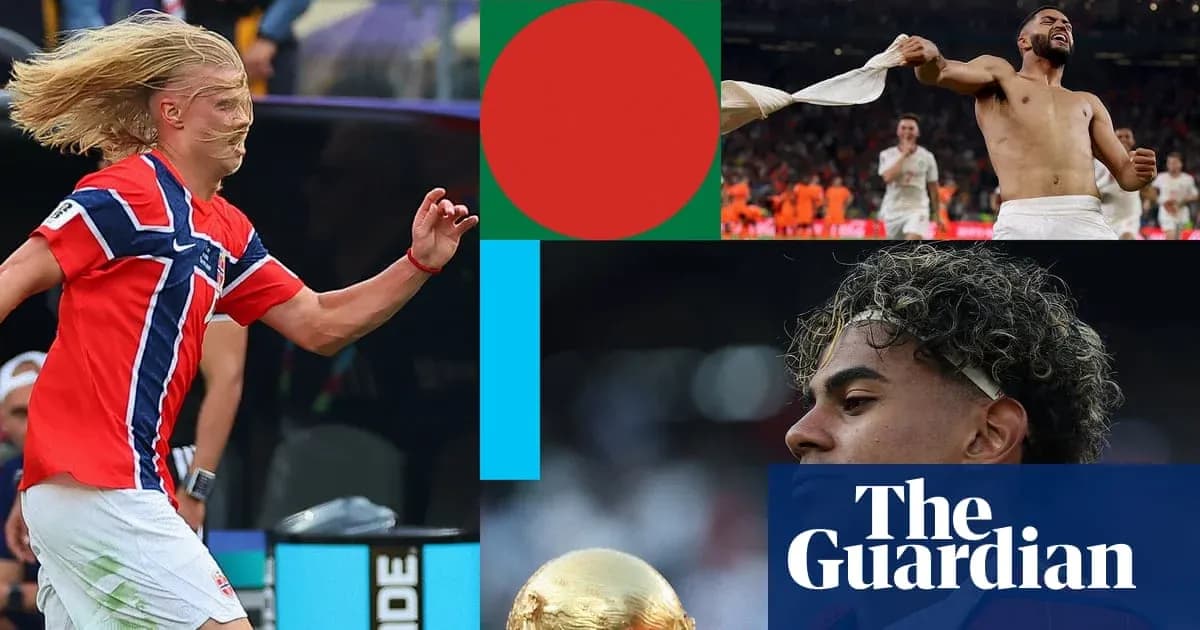
No one seemed to enjoy the World Cup more than Erling Haaland (29), grinning his way through defenses and defenders alike. If he stays fit, he will still be one of the most terrifying strikers on the planet in 2030.
Around him, the supporting cast is maturing nicely. Andreas Schjelderup (26), Antonio Nusa (25) and Oscar Bobb (26) give Norway genuine quality in the final third. Martin Ødegaard (31), if he can dodge the injuries that have dogged him, will again look to dictate play and feed the front line.
The back half of the pitch will need work. There will be rotation in defense and in goal as Norway search for the right blend. But as long as Haaland leads the line and Ødegaard pulls the strings, they will enter any tournament with a puncher’s chance.
8) Côte d’Ivoire – The Elephants are coming
Côte d’Ivoire navigated a tricky Group E with poise, beating Ecuador and Curaçao before bowing out to Norway in the last 32. It felt like a beginning, not a peak.
If Emerse Faé returns to the dugout, he will find a squad stacked with talent just as the World Cup heads back to Africa.
Yahia Fofana (29) offers calm in goal, helped by a defense that defends as a unit. Ousmane Diomande (26), Odilon Kossounou (29) and Wilfried Singo (29) give the Elephants strength, mobility and aggression at the back.
Up front, the options verge on luxurious. Amad Diallo (27), Oumar Diakité (26), Elye Wahi (27), Yan Diomandé (23), Simon Adingra (28) and Ange-Yoan Bonny (26) give Faé a “champagne problem” in attack: too many forwards, not enough places.
Midfield is the one area that looks thin. If Franck Kessié (33) can no longer start every three days, someone will need to step up to carry the physical and tactical load. On paper, though, and with an Afcon 2023 title and a first World Cup knockout win behind them, Côte d’Ivoire look built to scare bigger names.
9) Germany – Klopp’s long runway
For years, Germany looked stuck in a post-2014 hangover, cycling through ideas and identities without conviction. Jürgen Klopp changes that. He now has four years to reshape the culture, impose a new system and drag Die Mannschaft into a new era.
The question is whether the player pool will match his ambition.
The injury to Lennart Karl (22) on the eve of the 2026 World Cup hurt more than expected. The Bayern playmaker will be a welcome addition in 2030, offering the kind of creativity Klopp can weaponise.
Further forward, Kai Havertz (30) remains a big-game wildcard, popping up with crucial goals when least expected. Florian Wirtz (27) and Jamal Musiala (27) should arrive at their home tournament in their prime, provided they can stay fit and find rhythm.
Nathaniel Brown (26) looks an ideal wing-back for Klopp’s high-energy demands. Joshua Kimmich (35) has already dismissed talk of retiring before 2030, a relief given the turnover required in Germany’s defensive half.
This will not be a quick fix. It will be a four-year project. But if any coach can fuse a fractured giant into a snarling, coherent unit, it is Klopp.
10) United States – A bruised step forward
The United States leave 2026 with a strange mix of pride and frustration. The Balogun Affair cast a shadow over what was, by almost any measure, their most promising men’s World Cup campaign. Mauricio Pochettino’s long-term future remains uncertain.
Still, the last-16 run revealed something important: a core group, largely of similar age, ready to carry the team into the next cycle.
They are not on Spain’s level. They do not have Mbappé or Haaland. But they do have time, cohesion and a window where many of their key players will hit their prime together.
If the federation can stabilise the coaching situation and avoid another high-profile rift, 2030 will not just be about participation. It will be a test of whether this generation can turn potential into something more tangible on the world stage.