Thomas Tuchel's Balancing Act with Bukayo Saka Ahead of Panama
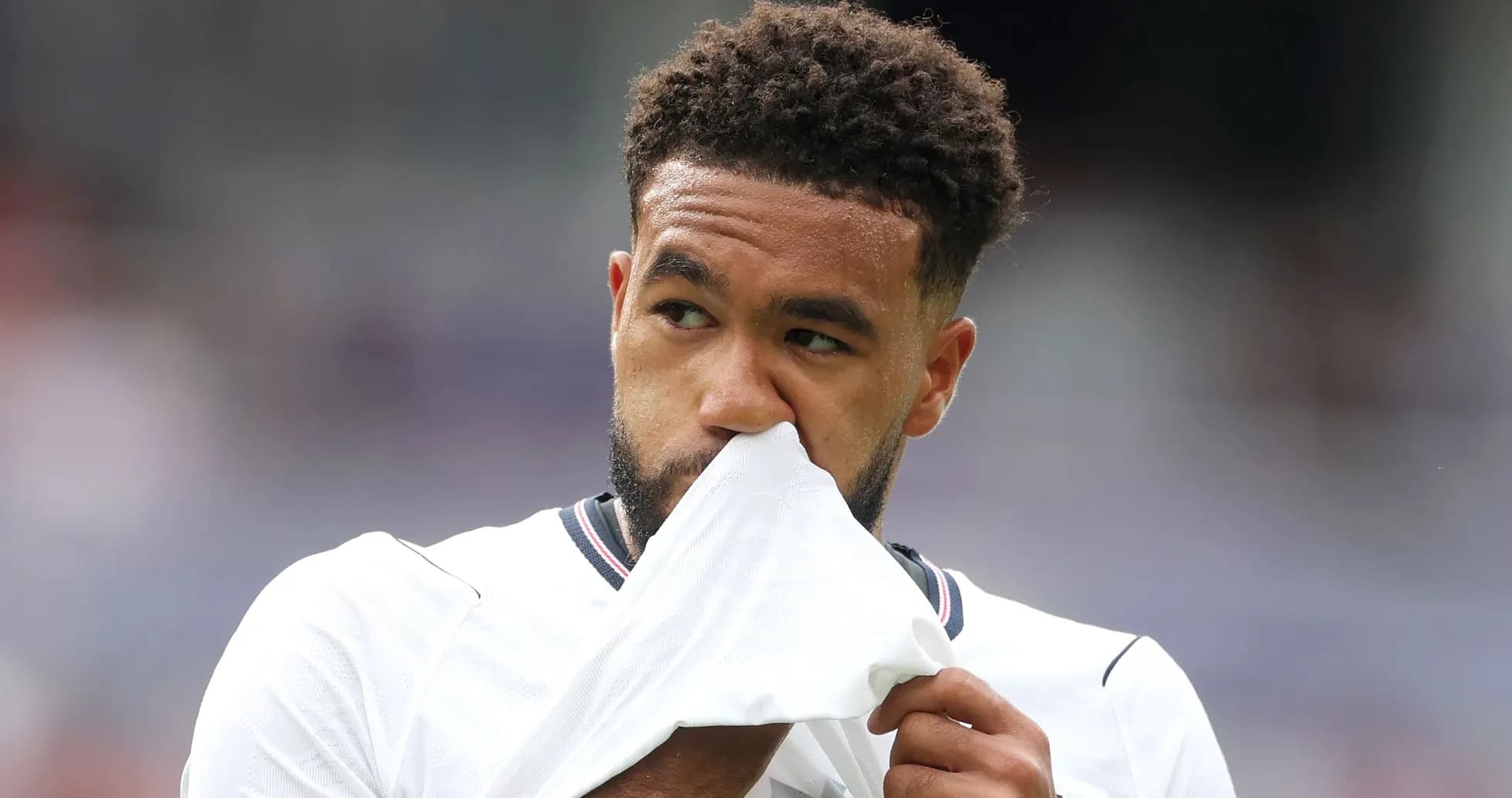
Thomas Tuchel is walking a tightrope with Bukayo Saka – and he knows it.
The England head coach needs his Arsenal star at full throttle as the tournament sharpens, but he also knows one wrong move with that Achilles and the plan for this World Cup could unravel in an instant.
Saka has been eased back into action, his minutes rationed, his training load monitored like a high-performance engine. Tuchel can see the needle moving in the right direction.
“He seems to be more and more ready, and will hopefully push, and then we will see what is coming,” Tuchel said, outlining the careful build-up. “He’s getting there, and there’s more and more training sessions, so he needs to have more sessions now. Two sessions to be ready for Panama. It’s not only about Bukayo, but it was good he got some minutes under his belt. Hopefully, there is no reaction and he is good to go.”
That last line tells the story. England want to unleash Saka, but not at the cost of losing him.
Saka, scrutiny and the “big-game” question
The debate around Saka sharpened after England’s laboured display against Ghana, a game that produced just four shots on target and a wave of criticism over the lack of cutting edge.
The question came, blunt and predictable: does Saka have the big-game mentality to ignite this frontline?
Tuchel refused to let the narrative hang on one player.
“We need it from everyone. I’m not engaging in that,” he snapped back. “It’s not like Bukayo comes back and everything is solved, and I don’t want to put this on his back. He is a top player, that’s why he is with us. We need him desperately, like every other player, in top shape, and pushing. But everyone is doing their best, and it’s not the moment to shout for individual names to help us out. We’re in a good place, still.”
This is classic Tuchel. Protect the individual, spread the responsibility, keep the dressing room tight. Saka may be the headline act, but the German is determined not to make him the only storyline.
Panama next – memories of 2018, reality of now
Panama bring familiar history and very different circumstances. England humiliated them 6-1 at the 2018 World Cup in Russia, a swaggering win that felt like a statement of intent at the time.
This version of Panama is more stubborn than spectacular. They have lost both games at this tournament 1-0, competitive without being expansive. They will not roll over.
Tuchel is not planning a revolution for them either. No sweeping overhaul, no panic reaction to one stodgy performance.
The one possible tweak is at left-back, where Manchester City’s Nico O’Reilly could return in place of Djed Spence. Beyond that, Tuchel is backing what he calls the “structural balance” of his side and pushing back against calls for wholesale change.
“I am not shy to do some rotation now,” he said. “Some players should be on the pitch but maybe it will be more moderate. It’s not always fair if you just rotate your players in and say: ‘OK, let’s perform.’ Let’s see. I like for example the centre-backs. They were good together. I like Elliot Anderson, he had a step forward and a good performance, maybe a bit better than against Croatia.”
That defence of continuity is deliberate. Tuchel wants rhythm, not roulette.
Performance over spectacle
England’s attack against Ghana never caught fire. The numbers told their own story: half-chances, promising deliveries, dangerous set plays – and nothing to show for it.
Tuchel accepts it was not pretty viewing, but he sees a different game from the touchline.
“We created half-chances, we created deliveries and set plays but couldn’t score from it to change the characteristics of the game,” he said. “I know it’s not an easy watch. Maybe I watch it differently from the sideline as a coach. I know what we wanted and what we had to take care of.”
The temptation after a flat performance is to rip things up. Tuchel is resisting that urge. He’s leaning on experience, on the reality of tournament football, on the idea that control often matters more than chaos.
“There is a long way to go and no one has won a World Cup with four goals per match and going for it,” he added. “We always want to go for it and our responsibility is to bring everything to the table. We tried and tried but it’s difficult sometimes and there is no need to feel negative.”
So the message is clear. No crisis. No dramatic reset. No scapegoats.
Saka will be pushed, but not rushed. The core of the side will stay intact. The demands will rise, especially in the final third, and Panama will offer a chance to answer some uncomfortable questions.
The real test now is simple: can this England team turn Tuchel’s faith in structure and patience into the kind of ruthless edge that defines champions?