Tacoma Defiance Prevails Over Vancouver Whitecaps II in 2–0 Victory
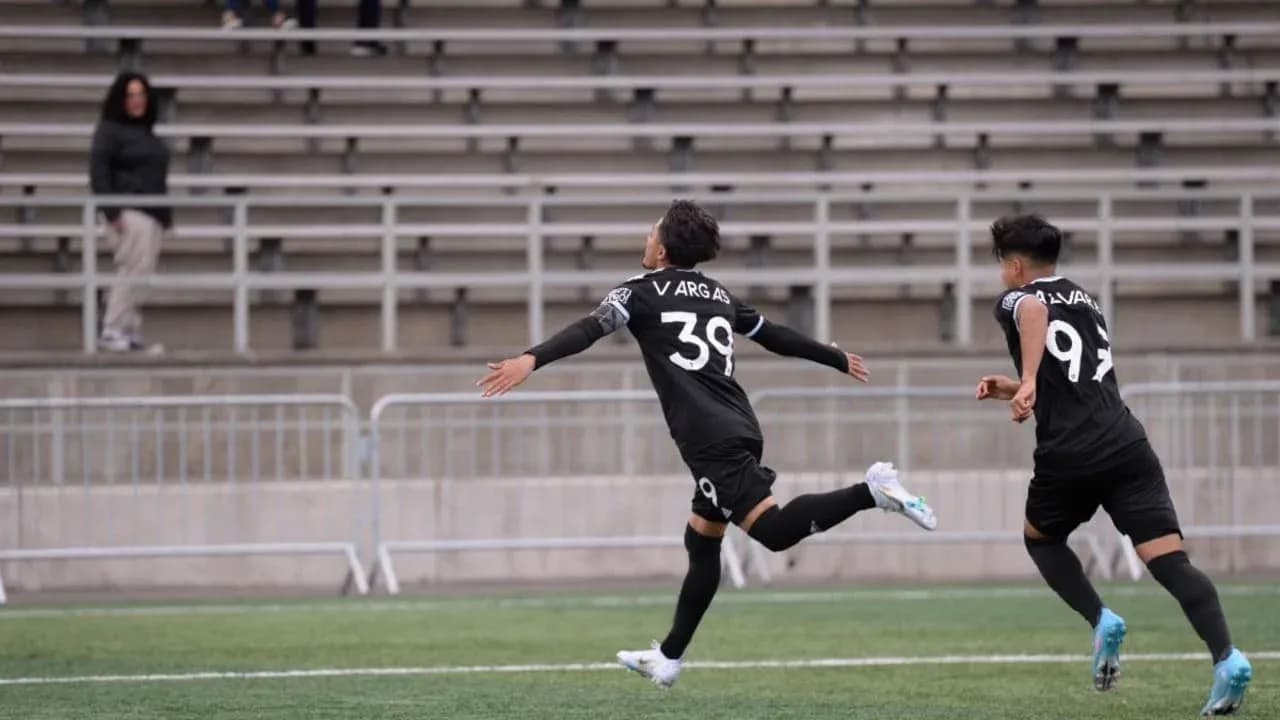
Swangard Stadium watched a lesson in MLS Next Pro pragmatism as Tacoma Defiance travelled north and walked away with a 2–0 win over Vancouver Whitecaps II, a result that sharpened the contrast between two teams already heading in different directions in the Pacific Division.
Heading into this game, the table framed the narrative. Vancouver Whitecaps II sat 7th in the Pacific Division with 9 points and a goal difference of -11, and 13th in the wider Eastern Conference snapshot with the same -11 mark. Their season-long profile was stark: in total this campaign they had played 11, winning 3 and losing 8, scoring 16 and conceding 27. At home they were far more competitive – 3 wins from 5, 8 goals for and 8 against – but on their travels they had been punished repeatedly, losing all 6 away fixtures with 8 goals scored and 19 conceded.
Tacoma Defiance arrived as a side that had been forced to grow up quickly in adversity. They were 6th in the Pacific Division with 11 points and a goal difference of -6, and 11th in the Eastern Conference snapshot with the same -6. In total this campaign they had 4 wins and 7 defeats from 11, with 14 goals scored and 19 conceded. At home they had split the difference (2 wins and 4 defeats, 8 scored and 8 conceded), while away they were volatile but dangerous: 2 wins and 3 defeats, 6 goals for and 11 against, averaging 1.2 away goals for and 2.2 away goals against.
The seasonal DNA of both sides was clear. Vancouver’s matches were open and often chaotic: in total they averaged 1.5 goals for and 2.5 goals against per game, with no clean sheets at home or away. Their biggest away loss, 6–1, underlined how quickly games could run away from them once the structure cracked. Tacoma, by contrast, lived closer to the margins. In total they averaged 1.3 goals for and 1.7 goals against, with 2 clean sheets overall and a capacity to swing between heavy defeats (4–0 away) and emphatic wins (4–1 at home).
Into that context stepped two young lineups heavy on development minutes and light on established stars. For Vancouver Whitecaps II, coach Rich Fagan turned again to a group that has been learning on the job. S. Rogers, C. Munn and T. Wright were among the starters, with P. Amponsah and M. Garnette giving the side a physical spine. In advanced roles, the likes of Y. Tsuji, C. Rassak and S. Deo were tasked with knitting together possession and providing a platform for R. Sewell, Y. Zuluaga and M. Popovic to threaten.
The presence of Trevor Wright – listed in the league’s top charts as both a notable defender and a statistical reference point for Vancouver – added another layer. Even without goals or assists to his name in the broader data, his inclusion as a ranked performer hinted at a player judged on defensive reliability and distribution rather than headline numbers. For a team conceding 2.5 goals per game in total, any stabilising influence across the back line was invaluable.
Tacoma Defiance’s XI reflected a different kind of balance. M. Anchor provided security in goal, shielded by a back line including C. Baker, G. Sandnes and S. Hawkins, with C. Phoenix adding presence in the defensive half. The midfield core of M. O’Neill and X. Gnaulati suggested a blend of work rate and technical control, while the attacking band of C. Gaffney, S. Kitafuji and S. Gomez supported the movement of Y. Tsukanome. From the bench, Tacoma had depth in every line: R. Sailor as a defensive option, D. Robles and R. Jauregui to alter the midfield dynamic, and forwards such as M. Bronnik and D. Alvarez ready to stretch a tiring back four.
If the “Hunter vs Shield” storyline usually centres on a clear top scorer, here it was more about unit versus unit. Vancouver, at home, were scoring 1.6 goals per game and conceding 1.6. Tacoma, away, were conceding 2.2 per game. On paper, that pointed to an open contest in which Vancouver’s front players could test a shaky visiting defence. Yet Tacoma’s ability to deliver clean sheets both home and away – 2 in total this campaign – suggested they could lock things down when their block was compact and their pressing coordinated.
The “Engine Room” battle was equally nuanced. Vancouver’s season-long card profile revealed a team that often played on the edge late in games. Their yellow cards were spread across the match, but there was a clear late-game surge: 18.18% of bookings arrived between 76–90 minutes and another 18.18% between 91–105. Tacoma’s discipline curve was different, with 30.77% of their yellows coming between 31–45 minutes and 23.08% between 46–60, then another 23.08% late on. The implication was of a Defiance midfield that could be aggressive in the middle third of the match, trying to seize control before fatigue set in.
Following this result, the story is one of Tacoma’s pragmatism outlasting Vancouver’s volatility. The 2–0 scoreline away from home aligned with Tacoma’s underlying numbers: a side that, in total, scores modestly but can keep opponents at arm’s length when structure and concentration hold. Vancouver’s failure to score at Swangard went against their home averages but echoed a broader pattern: in total this campaign they had already failed to score twice, and with no clean sheets and a high goals-against average, they are often chasing games from behind.
From a statistical prognosis standpoint, the xG narrative one would infer from these profiles is of Tacoma creating fewer but clearer chances, while Vancouver rely on volume and home momentum. In a match where Tacoma’s defensive block, anchored by Anchor and marshalled by the likes of Baker and Sandnes, remained intact, Vancouver’s attacking rhythm was blunted. The late-game card tendencies suggest that as Vancouver pushed and tired, their structure loosened rather than sharpened, leaving them exposed to transitions.
For Vancouver Whitecaps II, the task now is to reconcile a strong home win column with a defensive record that undermines it. For Tacoma Defiance, this away win reinforces a growing identity: a team that can absorb pressure, strike with efficiency, and bend the numbers of a season that once threatened to slip away.