Spain Wins World Cup, Roshn League Left Watching
Two summers ago, the Saudi Roshn League basked in Spain’s glory. Euro 2024 ended with La Roja back on the throne, and two of the league’s own – Nacho Fernandez of Al-Qadisiyah and Aymeric Laporte of Al-Nassr – stood on the podium as champions of Europe.
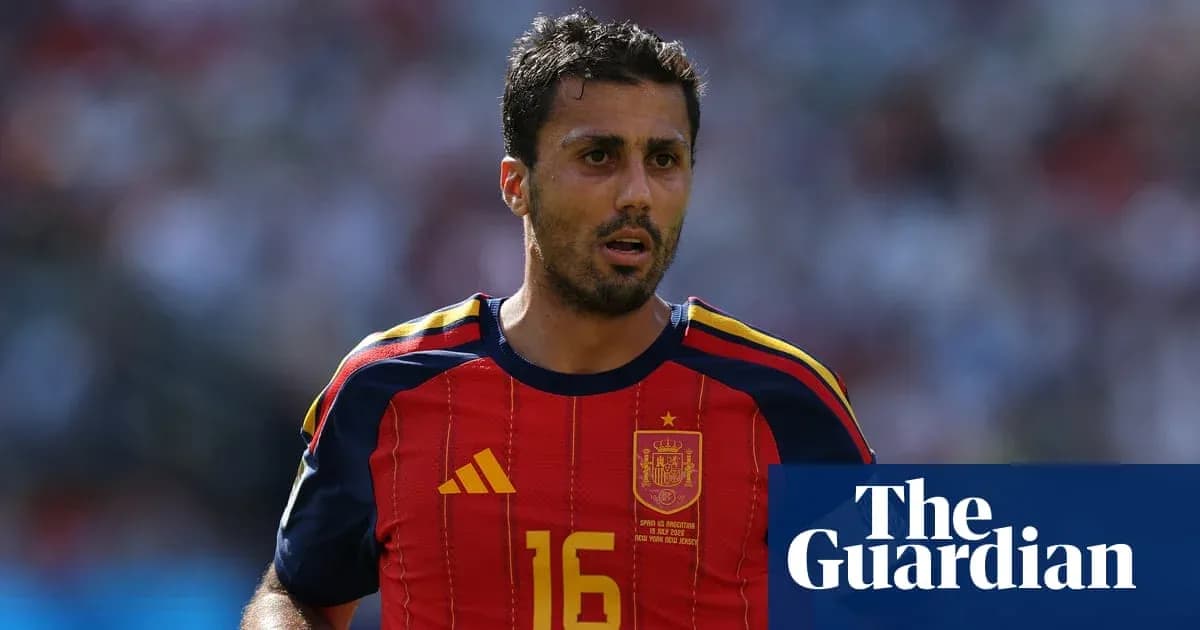
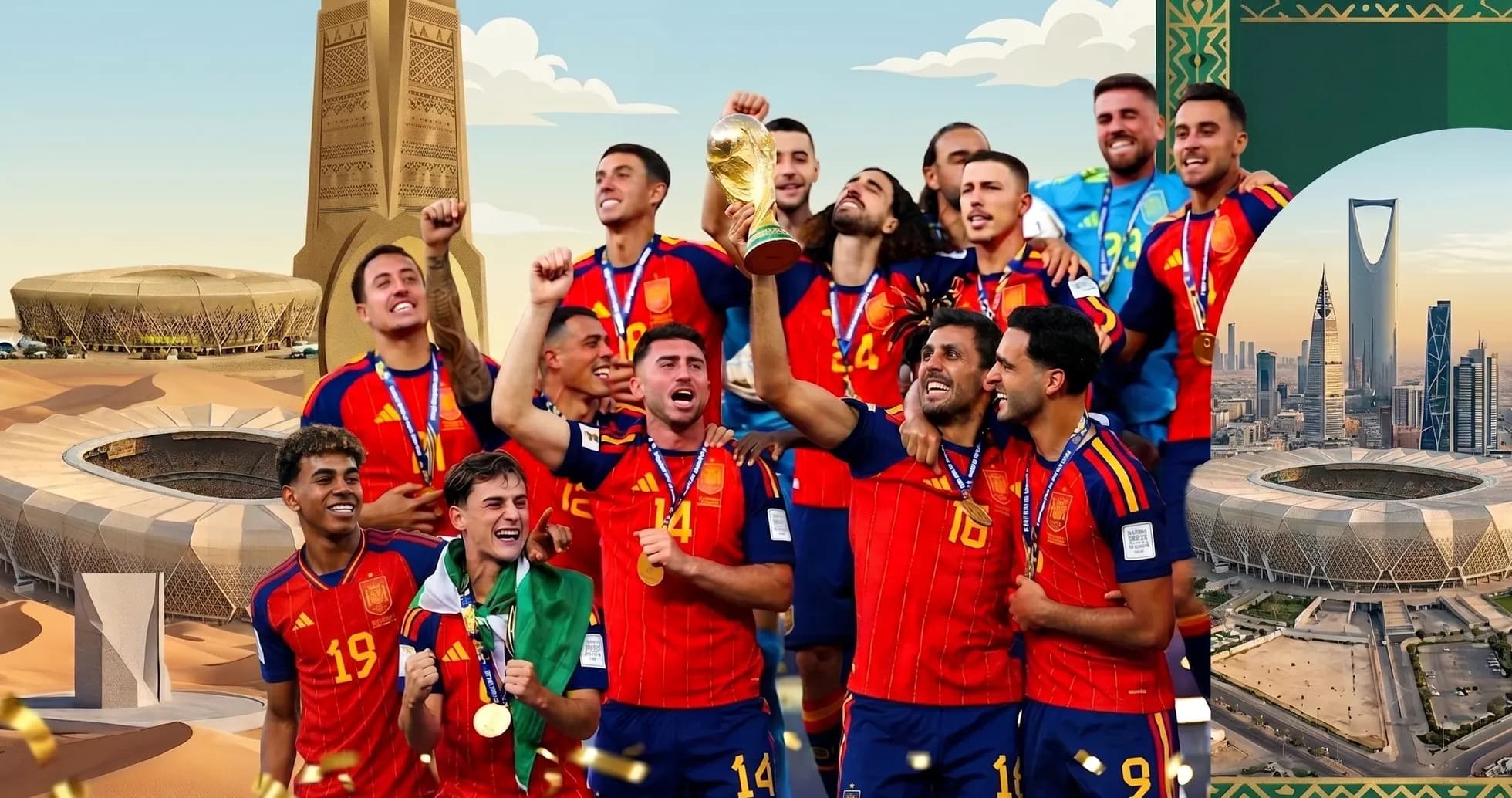
Fast forward to 2026, and Spain have gone a step higher, lifting the World Cup in the United States. This time, though, the Saudi league is watching from the outside.
Not one Spain player in Luis de la Fuente’s squad came from the Roshn League. Not one medal, not one photo of a Saudi-based player kissing the World Cup trophy. For a competition that has invested heavily in European talent, it’s a sharp twist in the storyline.
Spain’s crown, Saudi’s near-misses
Spain’s triumph came through a familiar blend of tactical control and iron discipline. De la Fuente’s side managed the tournament with icy composure, then edged Argentina in the final with a single, decisive goal.
Plenty of Spanish players now in Saudi might have imagined themselves there. None made it. The Roshn League is full of Spanish passports, but when the final squad list dropped, not a single Saudi-based name survived the cut.
The irony runs deeper with Aymeric Laporte. He didn’t just make the squad. He became one of the pillars of Spain’s World Cup win, forming a formidable partnership with Pau Cubarsi at the heart of the defence. Together, they built a wall that carried Spain all the way to the title.
And he did it a year after walking away from Saudi Arabia.
Laporte had been one of the league’s marquee arrivals at Al-Nassr, lining up alongside Cristiano Ronaldo. Yet his time in Riyadh ended in bitterness. Under Italian coach Stefano Pioli, the defender found himself sanctioned, ordered to train alone, and frozen out of the closing stretch of the season. He later described the atmosphere at Al-Nassr as “difficult”, pointing to constant upheaval in management and on the touchline.
From that turbulence, he went back to Athletic Bilbao. From Bilbao, he went to the summit of world football. The Roshn League, having once had a world champion in its ranks-in-waiting, could only watch him celebrate from afar.
He was not the only near-miss. Across the Spain squad, there were players who had attracted interest from Saudi clubs or been strongly linked, only for deals to collapse before signatures hit paper. Had just one or two of those transfers gone through, the league would now be boasting a World Cup winner in its colours.
That “final step” in negotiations – the last meeting, the last clause, the last phone call – turned into the invisible barrier that kept the Roshn League out of the world champions’ circle.
No champions, but plenty of presence
The absence of a Spain-based champion does not mean Saudi clubs were bit-part players in this World Cup. Far from it.
Forty-nine Roshn League footballers took part in the 2026 tournament. That volume alone underlines how far the competition has come as a destination for international talent. While none of them climbed the main podium with Spain, many left their mark on the pitch – and all of them generated tangible returns for their clubs.
FIFA’s club benefits programme ensured that participation translated directly into revenue. According to French newspaper L’Equipe, world football’s governing body paid out 4,300 euros per player, per day, to compensate clubs for releasing their players. The window ran from 1 June to 19 July 2026, with a total budget of 305.3 million euros.
The longer a player stayed in the tournament, the more his club earned. For some Saudi sides, the calculator rarely stopped.
Al-Hilal lead the way
No Saudi club felt the World Cup’s pull more than Al-Hilal. They sent 12 players to the tournament, the highest tally in the Roshn League and a figure that placed them among the most heavily represented clubs worldwide.
Their headline act was Theo Hernandez. The French full-back stayed in the competition all the way to the third-place match. France missed out on bronze, but Hernandez’s extended run meant weeks of top-level football – and weeks of compensation payments – for Al-Hilal.
On the pitch, that sort of experience has its own value. A defender who has gone deep into a World Cup returns sharper, hardened by knockout pressure, and carrying the rhythm of high-intensity games. For a club with Al-Hilal’s ambitions, that matters as much as the cheque.
Al-Ahli, Al-Nassr and a bronze story
Behind Al-Hilal, Al-Ahli and Al-Nassr shared second place among Saudi clubs for World Cup representation, each sending nine players.
At Al-Ahli, the spotlight inevitably swung to Ivan Toney. The striker helped England secure the bronze medal, a historic achievement in its own right for the Three Lions. His contribution did not dominate the headlines in the way a Golden Boot winner might, but he played his part in a campaign that ended with England on the podium.
That bronze now travels back with him to Jeddah. For Al-Ahli, it is a powerful badge of credibility: a centre-forward who has just helped his country to a World Cup medal will walk back into the dressing room with a different aura.
Al-Nassr, who once housed Laporte and saw him leave only to become a world champion elsewhere, will feel the contrast keenly. They matched Al-Ahli’s nine participants, banked the FIFA money, and gained valuable experience through their internationals. Yet the sight of their former defender lifting the trophy in another shirt will sting.
Al-Qadisiyah and the rise of Julian Quinones
Al-Qadisiyah may not have matched the raw numbers of Al-Hilal, but they made their presence count. The club sent six players to the World Cup and watched one of them, Julian Quinones, light up the tournament.
The Mexican forward delivered four goals and a decisive assist in just five matches. That is the kind of output that shifts a player’s status from “good signing” to “headline act”. Every goal he scored on the world stage reflected back on his Saudi club, raising both his profile and theirs.
For Al-Qadisiyah, Quinones’ performances represent more than a fleeting summer story. They now hold a forward who has proved he can carry responsibility for his country under intense scrutiny. His market value has climbed, his confidence with it, and the club’s bargaining position in any future negotiations has strengthened.
What comes next for the Roshn League?
So the ledger stands like this: no World Cup winners wearing Saudi badges, no Spain stars flying back to Riyadh or Jeddah with gold medals, but 49 players who tasted the biggest stage and a significant financial windfall through FIFA’s compensation scheme.
The Roshn League finds itself at an intriguing crossroads. It has the money, the visibility, and the platform to attract elite talent. It has already shown it can host players who go on to conquer Europe and the world, as Laporte’s journey underlines.
The question now is whether Saudi clubs can turn those near-misses into signatures, and those World Cup cameos into a sustained era where champions don’t just pass through, but win their medals while playing in the Kingdom.