Sevilla vs Real Madrid: Tactical Breakdown of 1-0 Defeat
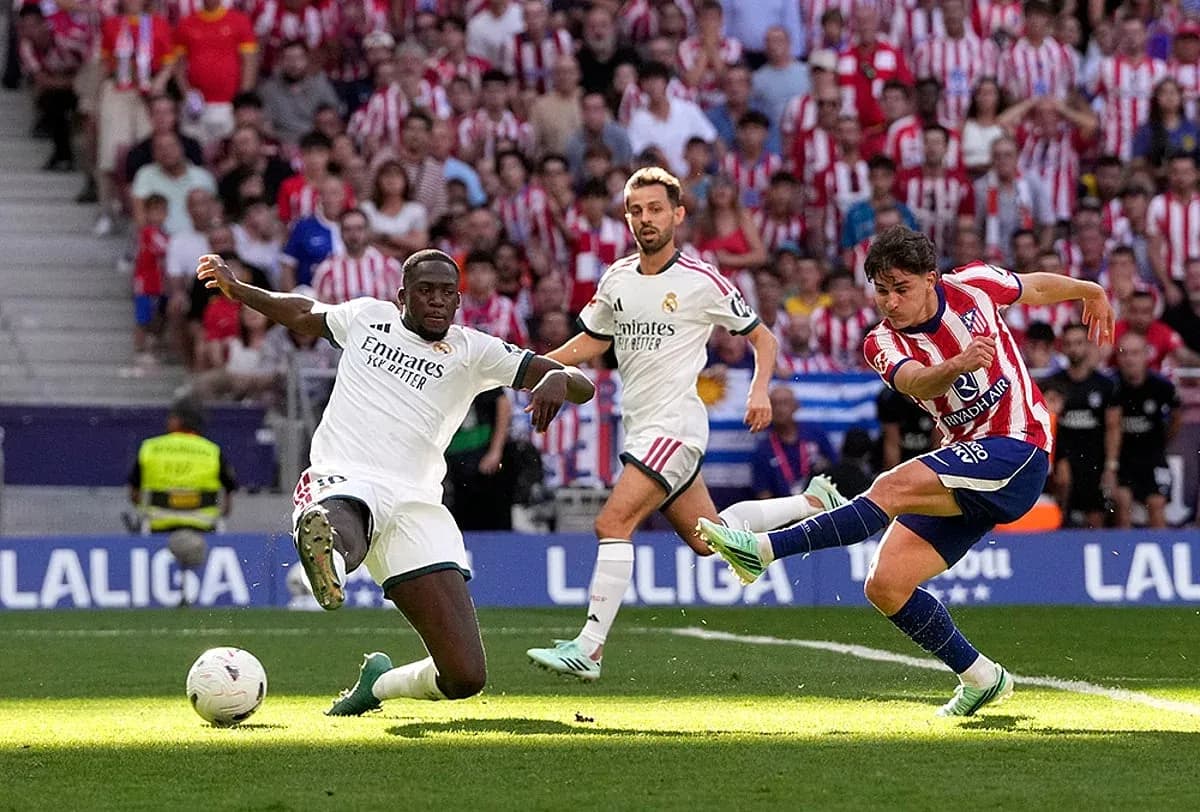
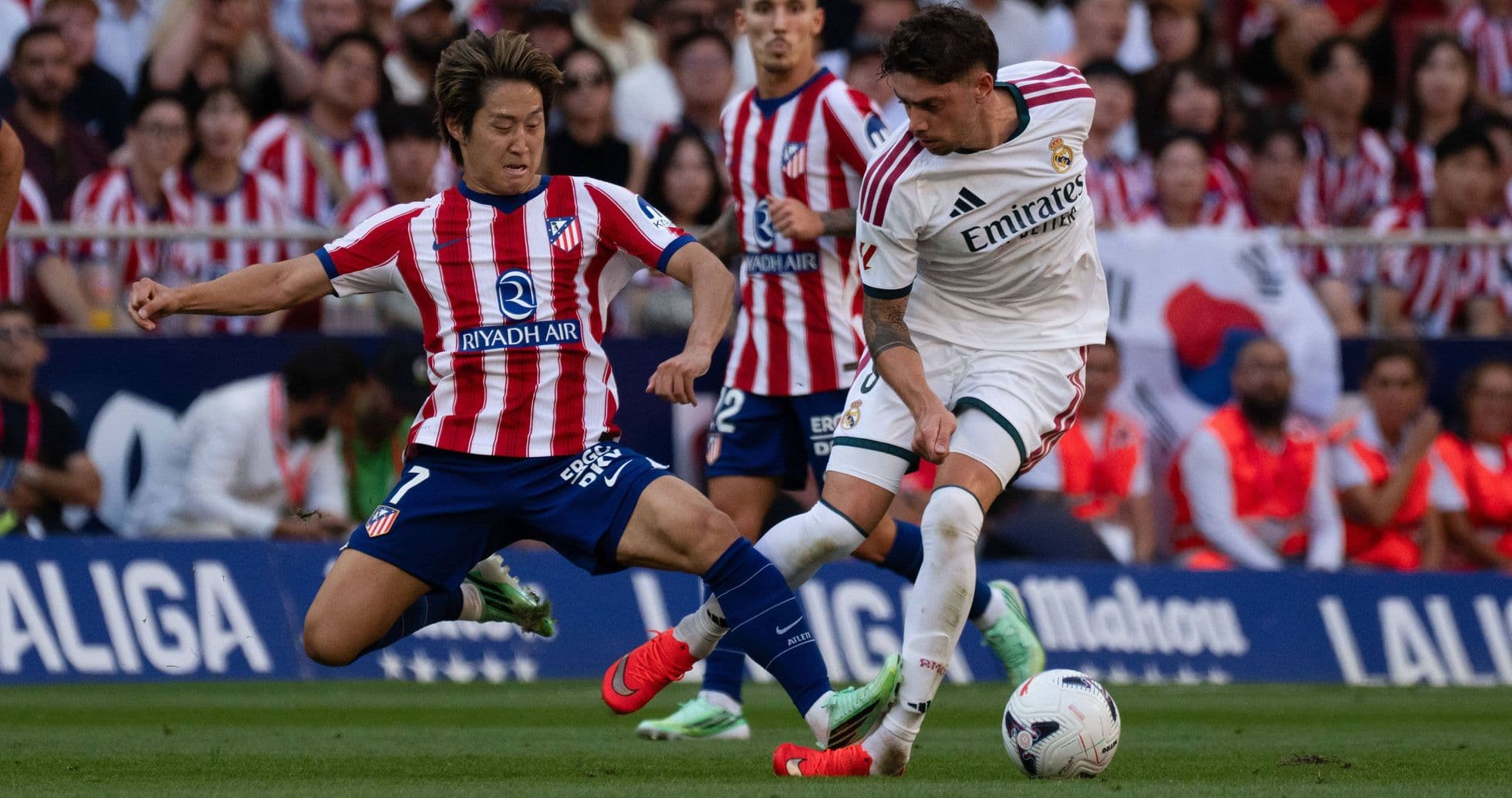
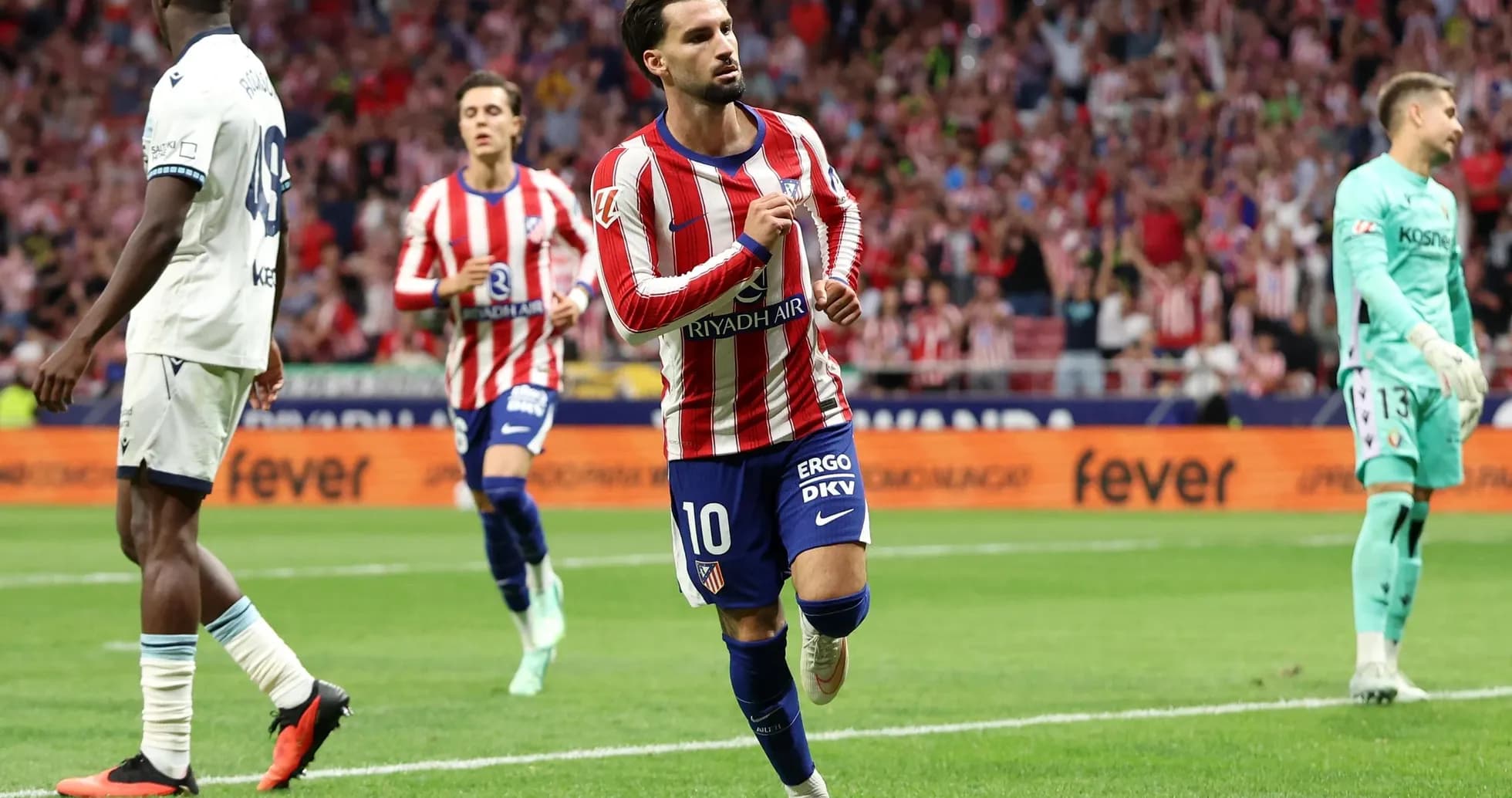
Sevilla’s 1-0 home defeat to Real Madrid at Estadio Ramón Sánchez Pizjuán unfolded as a study in structural contrast: Luis Garcia Plaza’s compact 4-4-2 block against Alvaro Arbeloa’s ball-dominant 4-3-3. The single decisive action arrived early, with Vinicius Junior striking in the 15th minute, after which Madrid managed the rhythm through possession and Sevilla tried to drag the game into a more chaotic, direct contest. The statistical profile – Madrid’s 59% possession and higher xG (1.03 to 0.73) against Sevilla’s greater volume of shots on target (6 to 1) – underlines a match where Madrid controlled zones and tempo, while Sevilla relied on territorial surges and volume rather than sustained chance quality.
Vinicius Junior’s 15th-minute goal, a “Normal Goal” without a registered assist, set the tactical template.
Real Madrid’s front three of Brahim Diaz, Kylian Mbappe and Vinicius Junior pinned Sevilla’s back four, with Jude Bellingham and Aurelien Tchouameni stepping high to compress the middle third. Sevilla’s 4-4-2, with A. Adams and N. Maupay leading the line, initially tried to press Madrid’s first phase, but the visitors’ technical security – 528 passes, 463 accurate (88%) – allowed them to play through and around the first line.
Without the ball, Sevilla’s two banks of four dropped relatively narrow. O. Vlachodimos had only 1 save to make, which is revealing: Madrid’s shot selection was conservative, preferring to secure territory and protect rest-defense rather than flood the box with low-quality attempts. Their 12 total shots, with only 1 on target, came largely from controlled patterns rather than broken play. The xG of 1.03 suggests that while they did engineer a few good looks – including the Vinicius strike – they were content to protect a lead rather than chase a margin.
In contrast, Sevilla’s attacking pattern was based on quick verticality once possession was regained. With 355 passes, 285 accurate (80%), they were less precise but more direct. The front pairing of Adams and Maupay looked to run channels and attack early crosses from G. Suazo and J. A. Carmona, while R. Vargas and Oso on the flanks tried to carry the ball into Madrid’s half. Sevilla generated 14 total shots, 6 on goal, and split their attempts evenly between inside and outside the box (7 each), pointing to a side forced into speculative efforts when Madrid’s compact central block held.
Second Half Substitutions
The second half substitutions by Garcia Plaza were clearly aimed at raising the attacking ceiling and altering the dynamics between the lines. At 53', Alexis Sánchez (IN) came on for N. Maupay (OUT), shifting Sevilla’s front line towards a more fluid, support-striker profile. A minute later, C. Ejuke (IN) replaced R. Vargas (OUT), and L. Agoume (IN) replaced Nemanja Gudelj (OUT), rebalancing the midfield with fresher legs and more ball-carrying from wide. At 70', Juanlu Sánchez (IN) came on for J. A. Carmona (OUT), injecting energy at right-back, and at 78' I. Romero (IN) replaced Oso (OUT), adding another forward threat.
These changes tilted the emotional tone but not the underlying control. Sevilla’s fouls climbed to 18, and their four yellow cards all came after the break, reflecting the increasing desperation of their press and duels: at 48' Nemanja Gudelj was booked for an “Off the ball foul”; at 80' Alexis Sánchez received a yellow for “Argument”; at 84' Juanlu Sánchez was cautioned for “Foul”; and at 90+4' Lucien Agoumé was booked for “Argument”. Madrid, by contrast, finished without a single card, consistent with their more measured defensive approach and superior positional structure.
Madrid's Substitutions
Arbeloa’s substitutions were primarily about energy management and preserving the 1-0 state. At 70', Eduardo Camavinga (IN) came on for Aurelien Tchouameni (OUT), and F. Mastantuono (IN) replaced T. Pitarch (OUT), refreshing both the holding and interior roles without altering the 4-3-3 template. At 77', T. Alexander-Arnold (IN) replaced Brahim Diaz (OUT), adding a more conservative and distribution-focused presence on the right flank, while G. Garcia (IN) came on for Vinicius Junior (OUT), trading dribbling chaos for defensive reliability. Finally, at 87', A. Leiva (IN) replaced Jude Bellingham (OUT), another move to protect legs and maintain midfield coverage in the closing phase.
The defensive profiles of the two goalkeepers capture the essence of the match. Thibaut Courtois made 6 saves, with a goals prevented figure of 0.46, aligning almost exactly with Sevilla’s xG of 0.73 and underlining that he had to intervene decisively on several medium-quality chances, particularly as Sevilla’s crossing volume rose late on. Vlachodimos, with just 1 save and 0.46 goals prevented, faced fewer but slightly higher-quality moments; his concession to Vinicius Junior was essentially the defining action against him.
Statistically, Madrid’s 59% possession and 88% passing accuracy allowed them to dictate where the game was played. Their 4 corner kicks to Sevilla’s 4 reflect a balanced set-piece count, but the territorial story is one of Madrid spending more time in structured build-up and Sevilla trying to spring quickly from deeper zones. Madrid’s 12 fouls versus Sevilla’s 18 also reinforces the picture of the home side chasing, breaking rhythm with challenges, and occasionally losing emotional control, as seen in the two “Argument” bookings.
In xG terms, Madrid’s 1.03 to Sevilla’s 0.73 justifies the 0-1 scoreline without suggesting dominance. Sevilla’s 6 shots on target from 14 attempts point to volume and persistence, but not sustained penetration into premium zones. Madrid’s 1 shot on target – the Vinicius goal – underscores their clinical edge and game-state management: they struck early, then shifted into a risk-averse, possession-heavy mode. Across the season lens, a side that can win away with such economy of shooting yet retain defensive stability and disciplinary control usually profiles as a top-tier contender, while Sevilla’s blend of effort, card accumulation, and sub-1.0 xG highlights a team still searching for a more repeatable attacking structure against elite opposition.