Sebastian Beccacece's Heartfelt Goodbye After Ecuador's World Cup Exit
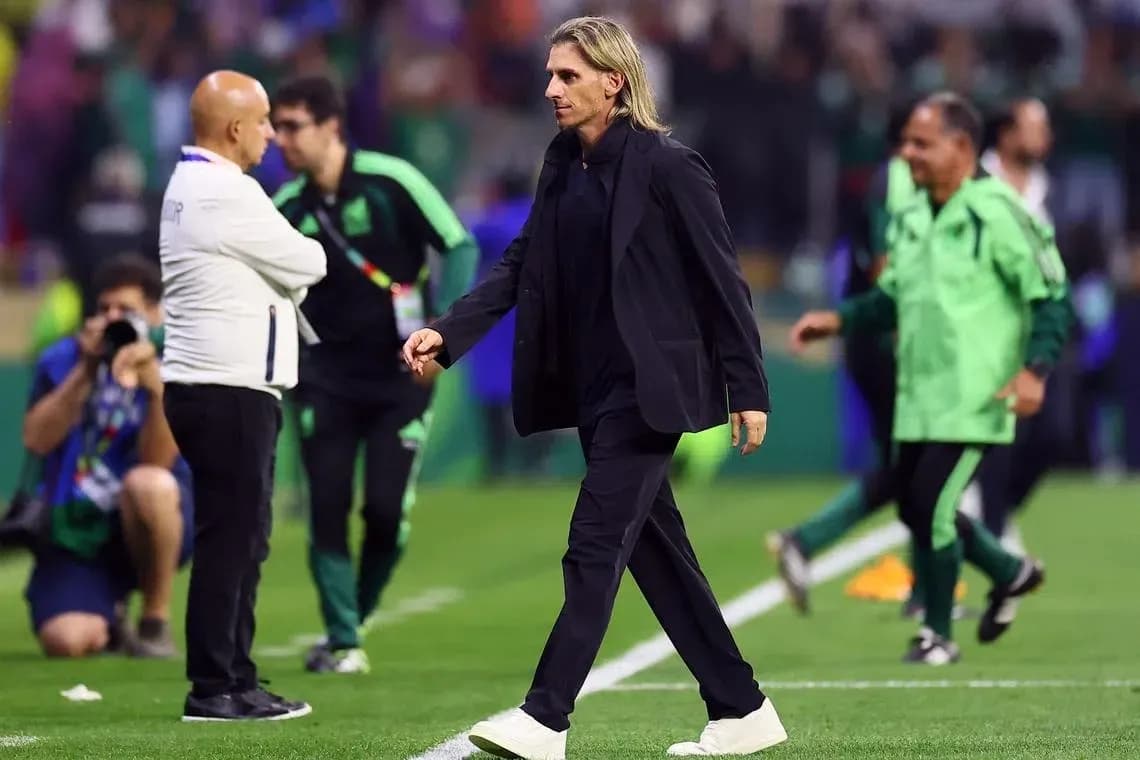
Sebastian Beccacece walked into the bowels of the Azteca knowing what was coming. Mexico had just beaten Ecuador 2-0 in the World Cup round of 32 on Tuesday, the noise still rattling around the concrete, and with it went his job and his promise.
Their contract, he reminded everyone, ended with the tournament. The dream had ended with it.
“I don't think we were able to achieve the feat we promised: to make this the best World Cup ever. Today it's my turn to say goodbye,” he said, his words cutting through the echo of a stadium still buzzing from Mexico’s victory.
Ecuador arrived in the knockouts with a sense of possibility. They had just stunned Germany with a dramatic comeback, riding that surge of belief into Mexico City. The Azteca, though, can swallow teams whole. Mexico started fast, played with a ferocity that pinned Ecuador back, and leaned on a defence that had not been breached all tournament.
“We were outplayed in the first half,” Beccacece admitted. No excuses. No dressing it up.
Mexico’s intensity strangled Ecuador’s rhythm in those opening 45 minutes. Every loose ball seemed to fall to a green shirt. Every Ecuadorian touch came under pressure. By the time Beccacece’s side settled, they were already chasing the game.
After the break, the pattern shifted. Ecuador finally found a foothold, pushed higher, and kept the ball for longer spells. The match tilted, if only slightly. They searched for a way back, probing, recycling possession, trying to drag Mexico’s back line out of shape.
“We fought back, but we couldn't find the goal that would have given us a boost,” the coach said. The chances never quite became clear-cut. The belief never quite turned into a breakthrough. Mexico’s defensive record stayed untouched, and with every minute that ticked away, Ecuador’s World Cup slipped with it.
The defeat hurt. The goodbye hurt more.
“That’s why I have to leave,” Beccacece said. “I would have liked to continue because what I received from the players and the management warranted the possibility of continuing. But I understand how this works and it hurts, but I think the decision was clear.”
There was no anger in his voice. Just resignation and a kind of quiet pride. He had led the youngest team in Ecuador’s history onto this stage, pushed them into the knockout rounds, and watched them grow in front of him. The bond, he insisted, is what remains.
Asked what legacy he leaves, he pushed the spotlight away.
“The legacy is from the players, because they have been the youngest team of Ecuador,” he said. The emphasis stayed on “they,” not “I”.
He spoke of gratitude, not regret. Gratitude to a squad that had followed him, to a country that had embraced him, to a journey that ended too soon but clearly left its mark.
“I have no complaints, only gratitude to the people and the players,” he said. “I received so much gratitude and affection from the bottom of my heart. The boys gave me two beautiful hours after the match and that's what we're left with.”
No trophy. No historic run. Just a young team, a broken promise, and a coach walking away from the Azteca with the sense that something had been started, even if he will not be the one to finish it.