Revolution in Saudi Midfields: Al-Nassr, Al-Ahli, Al-Ittihad Shake Up Their Game
In a league obsessed with marquee forwards and headline-grabbing wingers, the real revolution this summer has taken place in the engine room. Across Saudi Arabia’s heavyweights, the midfield has been ripped up, rewritten and, in some cases, weaponised.
And right now, Al-Hilal stand almost alone amid the chaos.
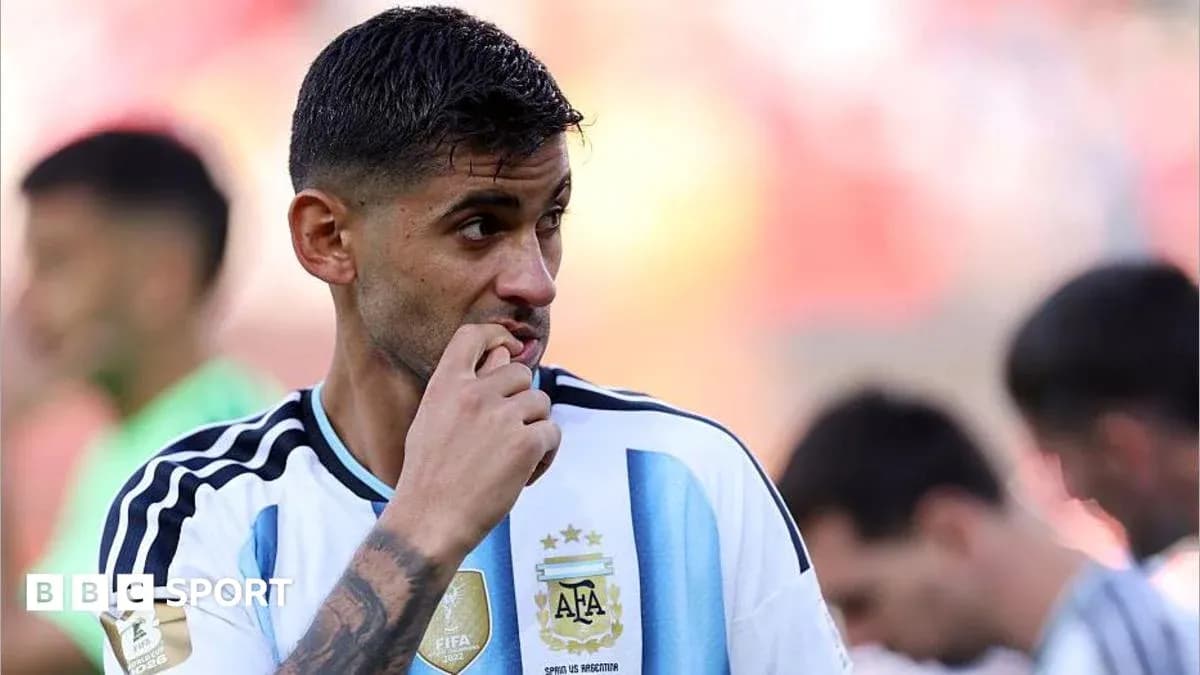
Life After Brozovic: Al-Nassr’s New Equation
For the first time since 2023, Al-Nassr walk into a season without Marcelo Brozovic. That is not a simple name off a team sheet. It is the loss of the man who set the rhythm, dropped between centre-backs, took the ball under pressure and turned defence into attack with a single pass.
He was their pivot. Their metronome. Their safety valve.
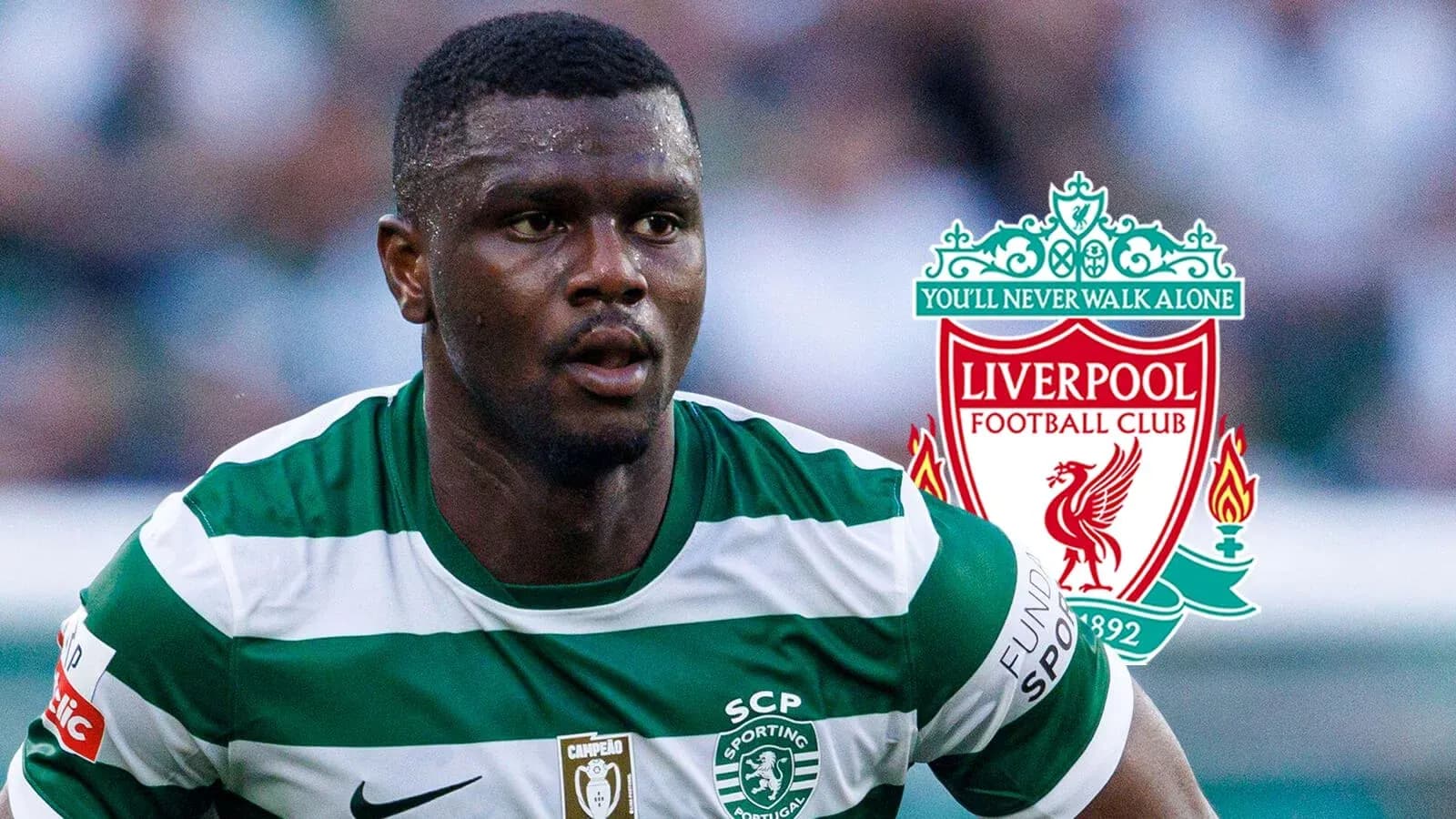
Now the responsibility shifts to Samu Costa, the man asked to step into one of the most demanding roles in the league. Al-Nassr are not just changing personnel; they are changing shape. The plan points towards a three-man midfield of Abdullah Al‑Khaibari, Angelo and the anticipated arrival of Costa, a triangle built to spread the workload that Brozovic once shouldered almost alone.
Al‑Khaibari can shield, Angelo can shuttle and link, Costa is expected to stitch everything together. On paper, it offers more balance between breaking up play and launching it. On the pitch, the question is harsher: can a committee replace a conductor?
The answer will define Al‑Nassr’s season. Lose that calm first pass out from the back and the whole structure starts to creak. Get it right, and they might discover a midfield that covers more ground, wins more duels and carries more legs into the final third than the Brozovic era ever allowed.
Al-Ahli Tear It Up and Start Again
Al‑Ahli have chosen a similar path of upheaval, but for different reasons. Franck Kessié, a pillar since 2023 and one of the side’s central figures in recent years, has gone. His departure is not just about replacing a powerful box-to-box presence. It’s about reimagining what the middle of the pitch should look like.
In comes Eduard Spertsyan, a fresh creative spark, set to operate alongside Ivorian midfielder Valentin Atangana. The club are still working on another addition in that zone, and that final piece will say a lot about the identity they want to build.
This is not a like-for-like swap. Al‑Ahli are not hunting for “the new Kessié.” They are redistributing responsibility. The new coaching staff want a midfield that mirrors their ideas: less dependent on one all-action figure, more about shared roles, clearer lanes, and a structure capable of carrying the team both in domestic competition and on the continental stage.
Next season, Al‑Ahli’s midfield will not just look different on the teamsheet. It will feel different in every phase of play.
Al-Ittihad’s African Core and a New Era
The boldest incision has come at Al‑Ittihad. The club have drawn a line under the Fabinho era, ending the Brazilian’s spell that began in 2023 and choosing a new direction with the signing of Senegalese midfielder Dion Lopy from Spanish side Almeria.
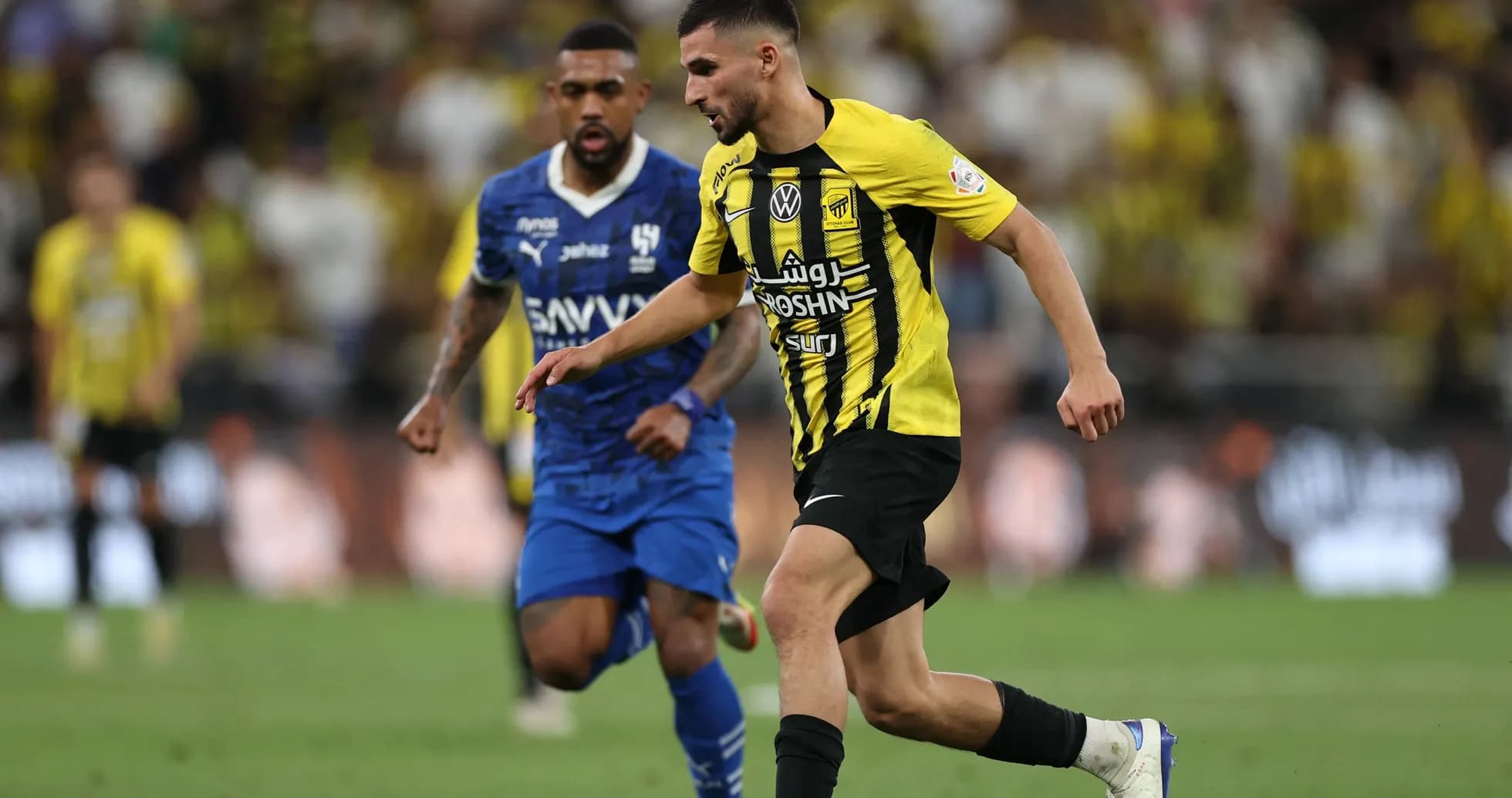
With one move, Al‑Ittihad have handed their midfield a distinctly African heartbeat. Lopy joins Malian Mohamed Doumbia and Algerian Houssem Aouar, a trio that promises a fierce blend of physicality, ball-winning aggression and technical poise.
Lopy can cover ground and disrupt. Doumbia brings bite and energy. Aouar offers vision and finesse between the lines. Together, they give Al‑Ittihad a completely different profile from the Fabinho-led structure that came before.
Fabinho’s exit closes a chapter built on his experience and positional sense. Lopy’s arrival opens a new tactical phase, one that should, in theory, give Al‑Ittihad more legs, more pressure on the ball and more variation in how they progress it. The club are betting that this mix will finally deliver the balance in midfield they have been chasing.
While Everyone Rebuilds, Al-Hilal Stay Still – and Strong
While their rivals redraw their blueprints, Al‑Hilal have chosen something far more powerful: continuity.
No radical surgery. No torn-up plans. Just the same core that has already proved it can dominate.
Ruben Neves, Sergej Savic, Mohamed Kanno and Nasser Al‑Dawsari remain the spine of the side, a unit rich in experience and, crucially, in shared minutes. They know each other’s habits, their zones, their triggers. They understand when Neves should drop, when Savic should surge, when Kanno must press, when Al‑Dawsari needs to cover.
That familiarity is an edge you cannot buy in a single transfer window.
While Al‑Nassr, Al‑Ahli and Al‑Ittihad spend the opening weeks experimenting with combinations and chemistry, Al‑Hilal can start at full speed. Their patterns are already drilled. Their distances are already set. Their midfield does not need to “bed in”; it just needs to pick up where it left off.
In a league swept by a storm of change, Al‑Hilal’s greatest weapon may be the one thing everyone else has sacrificed: stability. The question now is simple and brutal for their rivals—can newly built midfields find cohesion quickly enough to catch a team that never had to stop and rebuild at all?