Roy Keane Critiques English Football's Arrogance After World Cup Exit
Roy Keane has taken aim at what he calls a deep‑rooted “arrogance” in English football after the country’s World Cup semi-final defeat to Argentina sparked a furious backlash at home.
England’s campaign ended in Atlanta on Wednesday night, despite taking the lead through Anthony Gordon. Thomas Tuchel’s side looked to be edging towards a first World Cup final since 1966, only for Argentina to turn the game on its head late on.
Enzo Fernández struck to haul Lionel Scaloni’s team level, and Lautaro Martínez delivered the decisive blow, sending the reigning champions into a second consecutive World Cup final and plunging England into another bout of soul‑searching.
Tuchel, hired as the proven winner to finally drag England over the line in a major tournament, has found himself at the centre of the storm. The reaction has been fierce, unforgiving, and familiar.
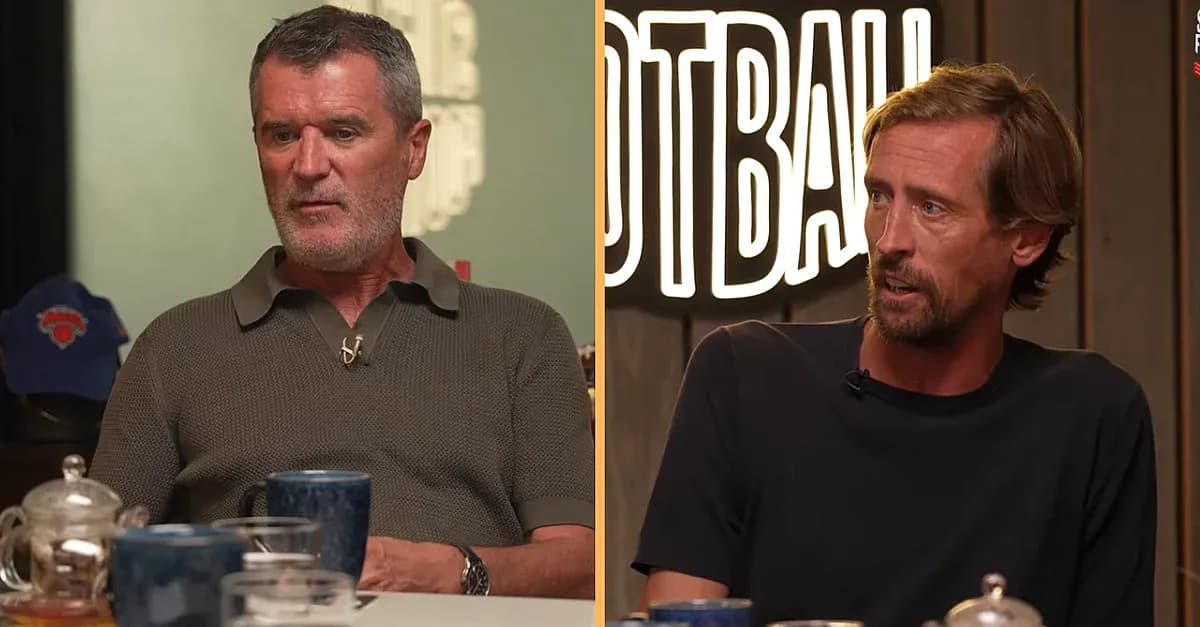
On the latest episode of Stick To Football, Keane sat alongside Gary Neville, Ian Wright and Peter Crouch to pick through the wreckage. The former Manchester United captain did not bother softening his verdict on the response back home.
Crouch’s Tweet, And The Backlash That Lit The Fuse
Crouch revealed he had been taken aback by the level of vitriol aimed at the players and manager. He pointed to a now-deleted tweet he posted after the Argentina defeat, which tried to balance disappointment with admiration.
“Gutted we are out, but watching Argentina was an experience, Messi's a genius and a hard bastard as well like the rest of them. I'm proud of our lads and what they've achieved at the World Cup, some real heroes emerged and it was a pleasure to have been here for it.”
It was hardly incendiary. A nod to Lionel Messi’s brilliance, respect for Argentina’s edge, and pride in England’s efforts.
The replies, though, were enough to make Crouch delete it. That, Keane argued, was the perfect snapshot of a bigger problem.
“I think this is the bit of arrogance with English fans comes into it and pundits or whatever because, what they got beaten in a semi-final?” Keane said. “The World Cup is going on for nearly 100 years and England have won it once. There's been 23 World Cups so why are they thinking they should be winning it? They're competing, they came up short, that's what happens in sport unfortunately.”
No sugar-coating. No pandering. Just a blunt reminder of England’s actual place in the World Cup’s long history.
Expectations, Reality, And The Thin Line At The Top
This England squad arrived at the tournament carrying the weight of heavy predictions. On paper, it looked like a group ready to win it all: depth across the pitch, big‑club experience, a manager with a Champions League on his CV.
The semi-final exit has been framed in some quarters as a collapse, a betrayal of talent. Keane sees it differently. For him, the margins at this level are too fine, the opposition too hardened, for a last‑four defeat to be dressed up as a national disgrace.
They led against the world champions. They were minutes away from a shot at history. Then Fernández and Martínez showed why Argentina sit where England still want to be.
Keane’s point cut through the noise: competing at the sharp end of a World Cup is not a birthright. It is a privilege earned, and it does not guarantee glory.
England came up short. Argentina go on. The anger, Keane suggests, says more about the English gaze on itself than it does about what actually happened on the pitch.