Rodri's Transfer Saga: Barcelona vs Real Madrid
Rodri’s World Cup coronation has done more than add another trophy to his bulging cabinet. It has detonated the transfer market.
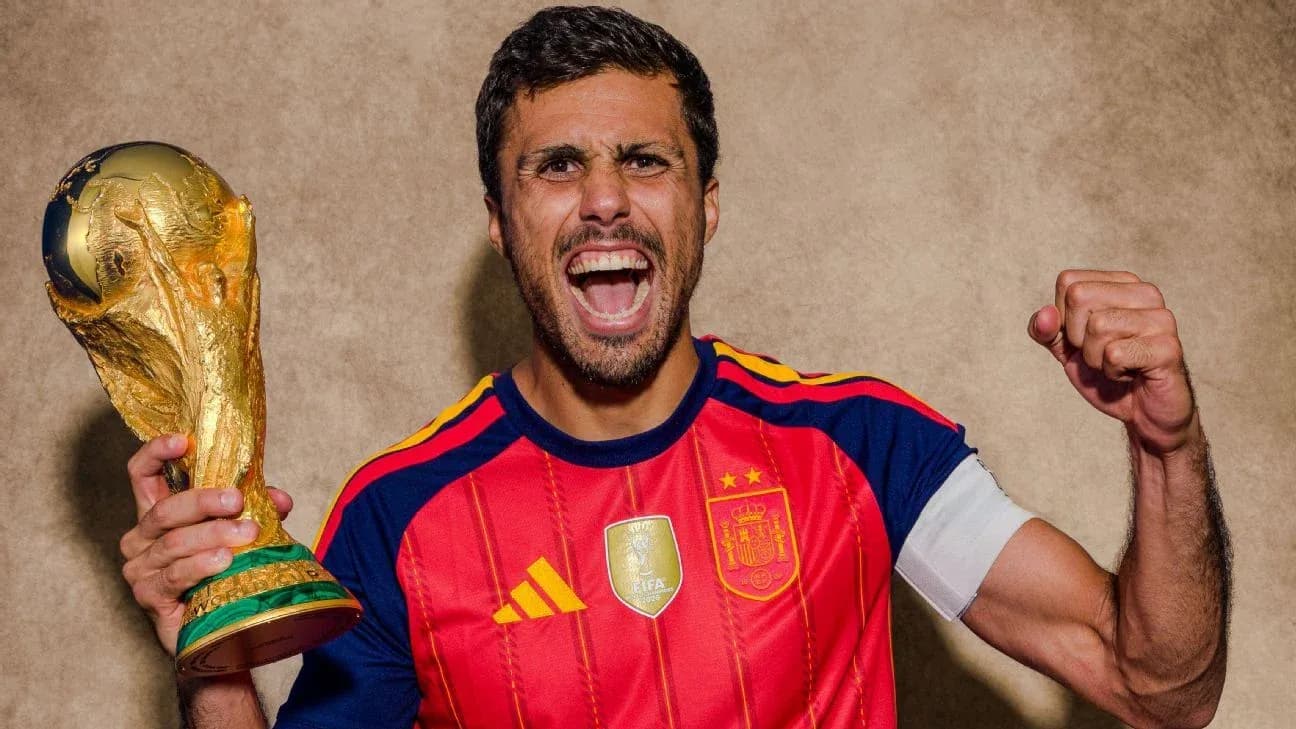
The Manchester City midfielder, fresh from dragging Spain past Lionel Messi’s Argentina in the World Cup final and taking home the Golden Ball, now stands at the centre of a tug-of-war between Barcelona and Real Madrid, with his current club braced for impact.
A Ballon d'Or winner, four-time Premier League champion and scorer of the decisive goal in the 2022-23 Champions League final, Rodri is no longer just City’s metronome. He is Spain’s captain, a national icon, and a 30-year-old with one year left on his contract. That combination usually leads one way in modern football: a move.
The question is where.
Barcelona: The Busquets heir finally within reach
Barcelona have dreamed of this moment for years.
Inside the club, Rodri has long been viewed as the natural heir to Sergio Busquets, who left for Inter Miami CF in 2023 before retiring last year. The profile is obvious: positional intelligence, passing range, the ability to control games at walking pace and sprint speed alike. Yet Barça did not start this summer believing Rodri was a realistic target.
That changed quickly.
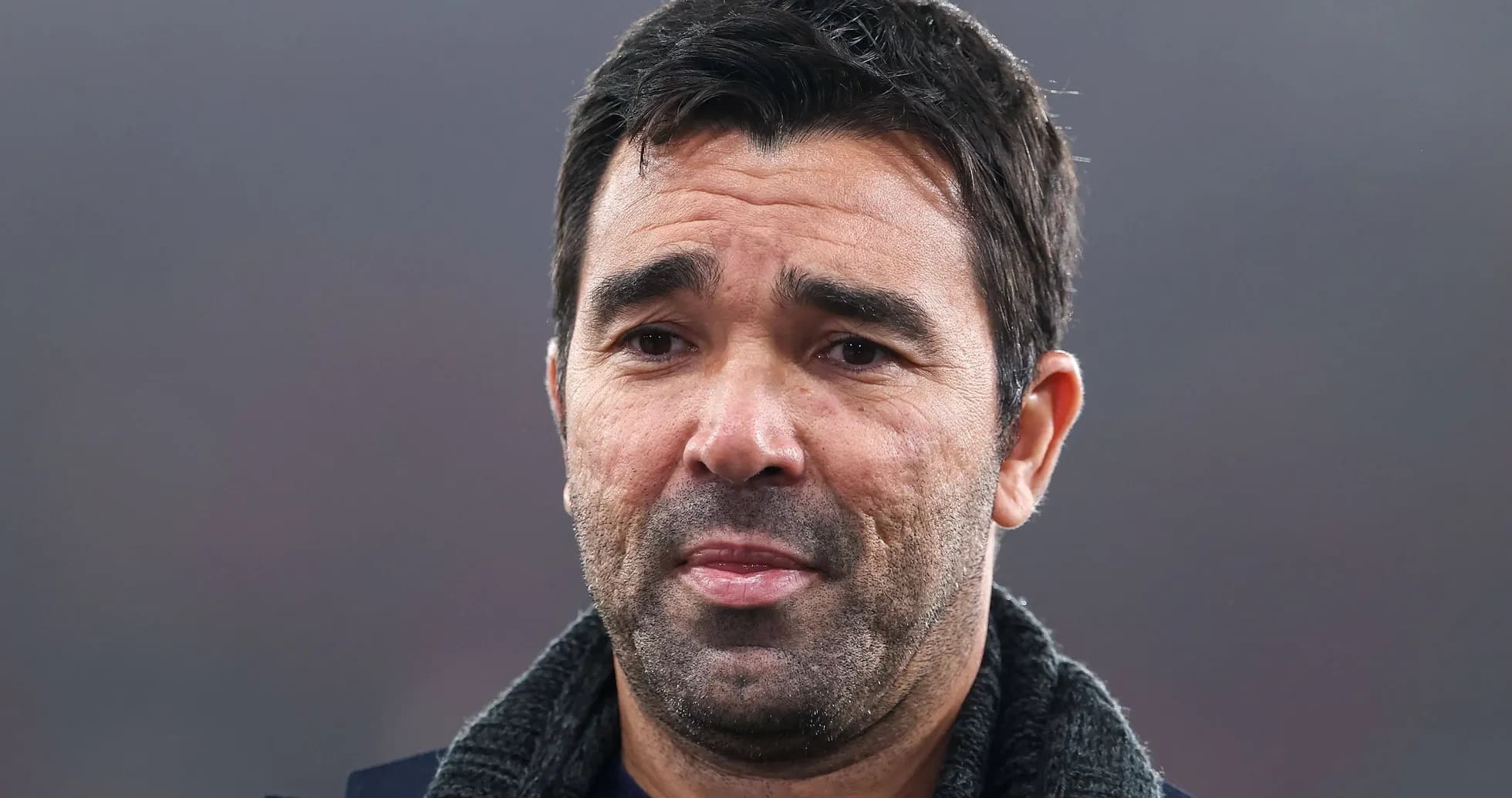
An injury to Frenkie de Jong pushed the Catalans into the market for a new midfielder. At first, the search felt routine. Then came the first hint: a deal for Rodri might actually be possible. As that realisation took hold, coach Hansi Flick and sporting director Deco shifted gear. Excitement grew. So did ambition.
The pressure finally told last week. Barcelona learned that Rodri would prioritise them over Madrid if he left City. For years, the assumption inside Spanish football circles was that any return to LaLiga would mean the Bernabéu. Instead, the World Cup changed the landscape.
Rodri lifted the trophy alongside eight Barcelona players. He liked the look of Flick’s proactive, possession-heavy style. On top of that, a cluster of Catalans who have worked at City over the past decade spoke glowingly about the Barça project. The pull of home remained strong, but the compass needle began to swing towards Montjuïc and, eventually, the new Camp Nou.
Club sources now say there is a loose agreement on personal terms with Rodri. The belief inside the building is clear: they can get this done.
The sticking point is City.
Barcelona have already seen a first bid rejected. Negotiations continue over a package that could reach €70 million, and the dialogue is active. The Catalans know things can flip in a heartbeat at this level, yet the mood is bullish. They see Rodri anchoring a midfield already crowded with talent: Pedri, Gavi, Marc Bernal, Fermín López, Dani Olmo.
What that means for De Jong when he returns from injury is a problem for another day, but not an insignificant one. Rodri’s arrival, pushed ahead of signing a centre-back – though a defender is not completely off the table – would be a clear statement: Barcelona intend to turn back-to-back LaLiga titles into something more. The Champions League, absent from their trophy room since 2015, is the obsession.
Flick wants a team that can dominate Europe again. He believes Rodri is the piece that changes the level.
Real Madrid: From cool distance to losing the race
Across the country, Real Madrid’s relationship with the Rodri saga has been a story of hesitation, reassessment and, now, regret.
For months, voices inside the Bernabéu insisted that Rodri was not on the summer agenda. On paper, that stance looked odd. Spain’s captain. Madrid-born. The best holding midfielder in the world. One year left on his contract. A ready-made solution to several of Madrid’s long-term structural questions.
Yet doubts lingered at the top.
President Florentino Pérez, sources say, worried about Rodri’s recent injury record. Coach José Mourinho preferred a different type of midfielder. Renewing Aurélien Tchouaméni’s contract signalled faith in the internal option. Rodri, the heartbeat of City’s system, simply did not make the short list.
Then came the World Cup.
Rodri dominated the tournament, erased concerns about form and fitness and walked away with the Golden Ball. Inside Madrid’s hierarchy, opinions shifted. Director general José Ángel Sánchez and chief scout Juni Calafat, key architects of the club’s recent rebuild, became open to the idea of bringing him in.
From there, optimism slowly crept in. By late July, some at the club felt a deal was possible. Rodri wanted to return to Spain. The issue was City: they had no agreement on a fee, and the Premier League champions wanted to secure a replacement first.
So Madrid waited.
They focused on other fronts – talks over Yan Diomande, discussions around Vinícius Júnior’s new contract – confident that time was on their side. Rodri’s desire to come home, they believed, would eventually tilt the move their way.
Then, without warning, the mood flipped.
On a Wednesday night, word filtered through: Barcelona were in. Not just lurking, but serious. Within hours, the internal reading changed. Some inside Madrid now rated the race as 50-50. Rodri, they were told, was open to both clubs.
By the next day, optimism had evaporated. Madrid felt they were out.
Sources say Rodri and his camp sensed that Madrid’s doubts had never fully disappeared, particularly those attributed to Mourinho. Flick, by contrast, had picked up the phone himself, outlining his plan and Rodri’s central role in it. That personal touch landed.
Madrid prepared one last push, but privately they feared it was too late. The player’s mind, they believed, was made up. His camp were frustrated that Madrid had not moved more decisively when the path looked clearer.
Unless there is a late, dramatic twist, Rodri is no longer seen as a live option at the Bernabéu. The club must now decide whether to pivot to an alternative profile – with some reports suggesting Mourinho views Bernardo Silva as a potential central midfielder alongside Tchouaméni or Federico Valverde – or double down on what they already have.
The chance to bring the country’s captain home, in his prime, may have slipped away.
Manchester City: Public resolve, private realism
Back in Manchester, the message from City is simple enough.
Manager Enzo Maresca has been clear in public: Rodri is a cornerstone of his team, and the club want him to stay and sign a new deal. Losing him in the first season after Pep Guardiola would turn an already delicate transition into a full-scale rebuild.
Behind the scenes, the picture is more nuanced.
City have long known that Rodri wanted to return to Spain one day. That knowledge partly drove their move for Kalvin Phillips in 2022, a plan that never came close to working on the pitch. They also have a principle: if a player genuinely wants to leave, they do not stand in the way, provided the terms are right.
Rodri’s age, his recent injuries and, crucially, his contract – which expires next summer – all weigh on the decision. Letting him run that deal down would mean losing one of the world’s premier midfielders for nothing in 12 months.
There is a number.
If Barcelona or Real Madrid – should they re-enter the race – put more than €70 million on the table, City are expected to engage. They will not accept a cut-price fee. They also know that replacing Rodri is almost impossible like-for-like, and that their midfield already needs attention.
Uncertainty around the futures of Tijjani Reijnders and Nico González only adds to that workload. Elliot Anderson has arrived from Nottingham Forest. Talks continue with Lille over Morocco’s breakout World Cup star Ayyoub Bouaddi. Those moves alone, though, would not be enough if Rodri walks out of the Etihad.
City’s recruitment team have already started to scan the market for potential successors. They understand the scale of the task. Maresca cannot be left short in the very area that has defined City’s dominance over the past decade.
For now, the club remain outwardly calm. No acceptable offer has landed. Until that changes, Rodri is a City player, and they will act like it.
Inside the Etihad, though, there is a growing sense that this might be the final chapter. The World Cup, the Ballon d'Or, the pull of home, the chance to anchor a new European project in Barcelona – all of it points in one direction.
Now it comes down to money, nerve and timing. Will City cash in, will Barcelona close, and will Madrid live to regret blinking first in the race for Spain’s most influential midfielder?