Rodri: The Key to Real Madrid's Revolution
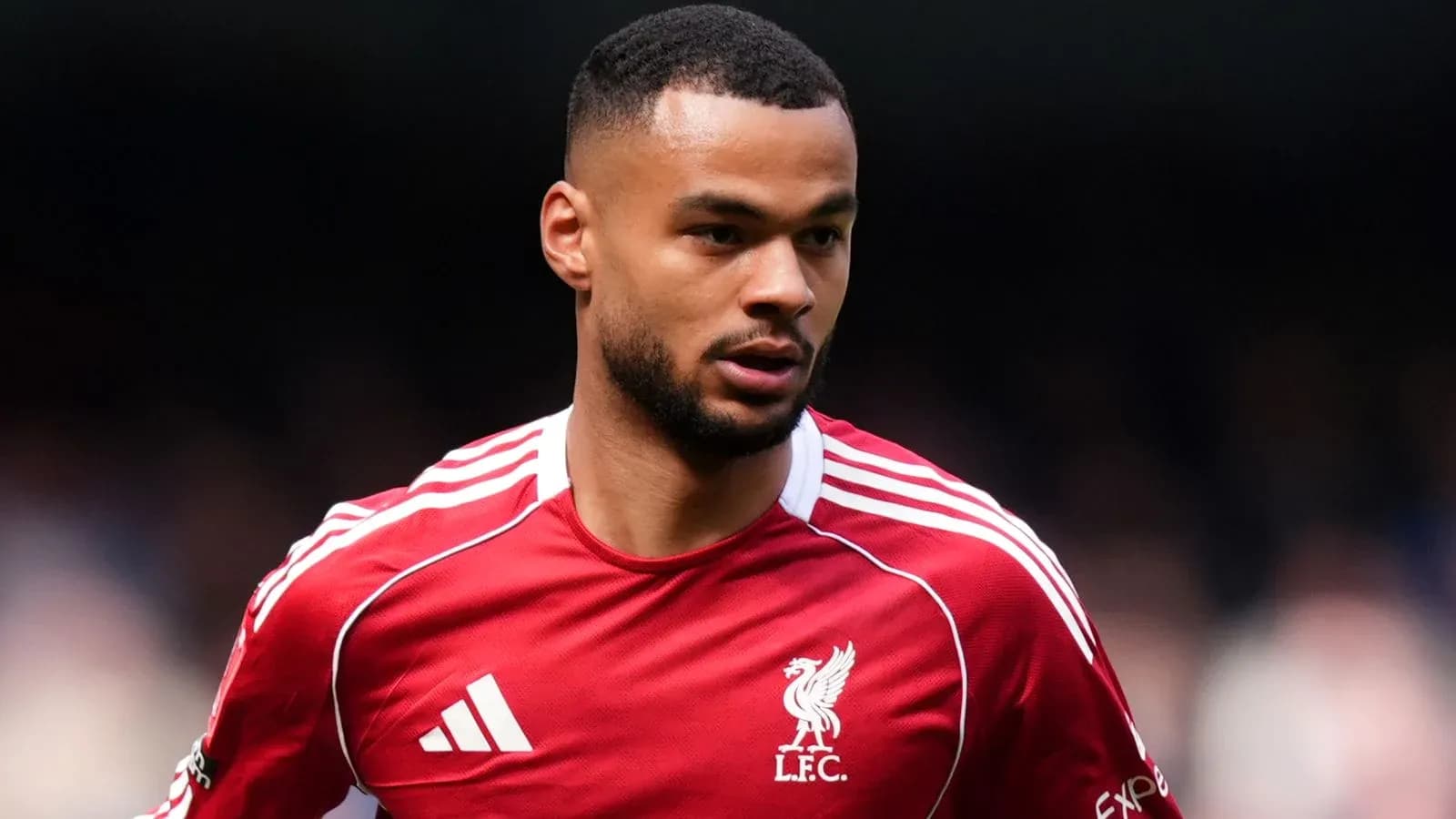
At Valdebebas, the names keep circling: Cucurella, Bernardo Silva, Dumfries, Diomande, Carlos Espi. Each one fits a specific need, a tactical nuance, a gap in a squad being torn up and rebuilt. Around them, the Portuguese coach’s staff grind through video, data, and training plans, determined to turn a sweeping overhaul into something coherent.
They are all chasing the same idea. In a team undergoing a revolution, you need a player who stitches everything together. Someone who connects defence, midfield and attack, who offers a passing lane when the pitch tightens and a solution when the game frays. Without that figure, the rest is just expensive noise.
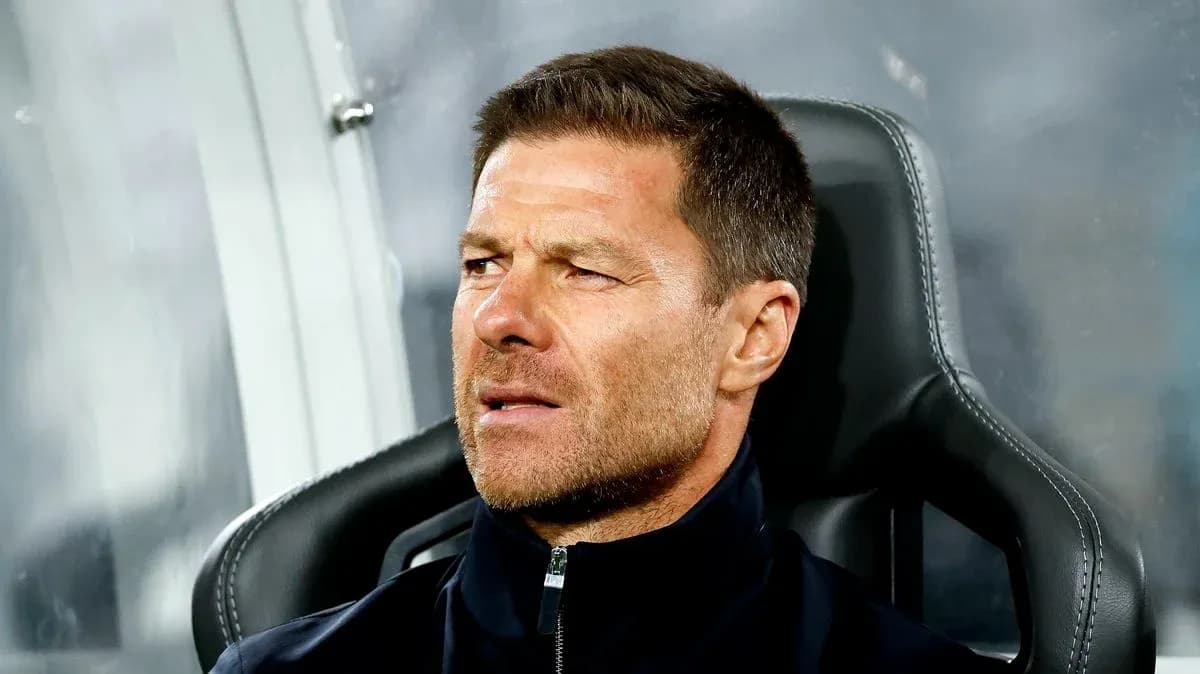
The outgoing players will decide how far this project can go. Sales are not just about trimming the squad; they will define the group Mourinho finally has in his hands. He has built his reputation on sides that start their football from the back, that treat the first pass out of defence as the opening move of an attack rather than a way to escape pressure. Give him the right profiles and he will build from there. Deny him them, and the revolution stalls.
In Madrid, one name has hovered over these conversations for months: Rodri. Real Madrid could have closed that deal long ago. The structure was clear, the interest mutual, the need obvious. Yet the file sat untouched, waiting for Florentino Perez to push the button. Only when the president gave the green light did the operation thaw.
Inside Valdebebas, the mood around Rodri was almost resigned certainty. People spoke of the signing as “a matter of time”, not as a possibility. They know the team’s true transformation depends on a player who does more than keep the ball moving. They want someone who can tilt the entire match on his own terms, then drag the opposition down with him. That is exactly what Rodri showed at the World Cup: a midfielder who controls tempo and territory, but also suffocates rivals until their level drops.
There is symbolism here that Madrid understand instinctively. Rodri arrives as one of the pillars of a Spain side crowned world champions. That status changes everything. A world champion carries an aura, a commercial pull, a sporting authority. It inflates a player’s appeal and, inevitably, his price.
Age never sparked an internal debate. Madrid are not chasing a distant promise in this case. They want a footballer who walks into the dressing room and delivers immediately, who can anchor a new cycle from day one rather than two years down the line.
The numbers, though, make them uneasy. The market for young, top-level talent has broken all traditional logic. Fees once reserved for generational stars now appear in negotiations for players still carving out their place. Clubs like Leipzig have shown how far this can go: they forced the maximum fixed fee possible for Diomande before letting him leave, squeezing every last euro out of potential.
Madrid know Rodri belongs in that same financial bracket, whether they like it or not. To reshape a team at this scale, they must pay the going rate for the player who will hold the whole structure together. The question is no longer whether he is the right man. It is how much they are willing to risk to let this revolution truly take hold.