Rodri Chooses Barcelona Over Real Madrid in Major Transfer Twist
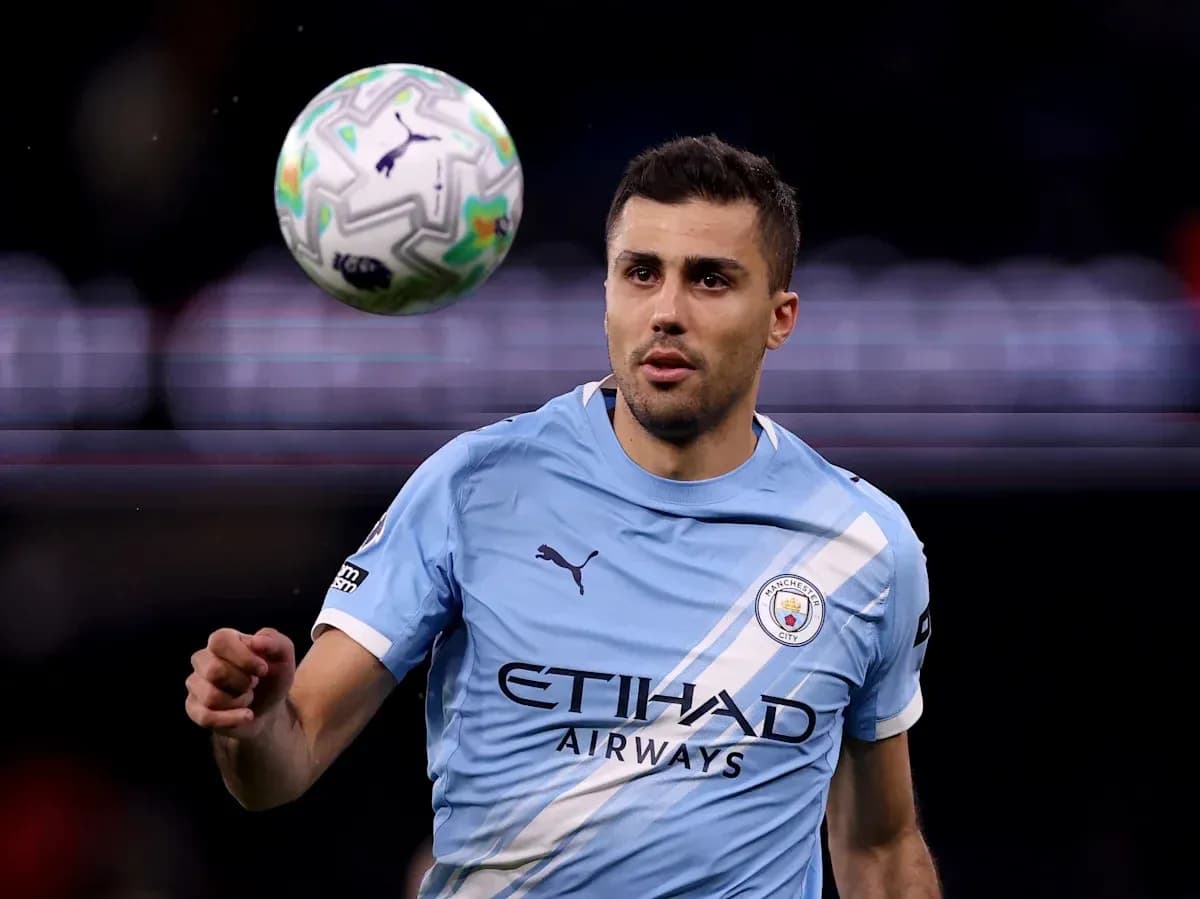
For months, the story seemed to write itself: Ballon d'Or winner, world champion, and Manchester City metronome Rodri gliding towards the white shirt of Real Madrid. The fit looked obvious. The narrative felt inevitable.
Not anymore.
According to well-connected insiders Gerard Romero and Fabrice Hawkins, the Spain international has turned his back on the idea of joining Real Madrid and instead given his approval to a move to Barcelona. In a transfer window already full of noise, this is a thunderclap.
The twist is as simple as it is seismic: Barça entered the race late, but decisively. Where Madrid pushed, Barcelona persuaded. The Catalan club, still rebuilding its identity and squad, reportedly managed to convince the City star that his future lies at the heart of Hansi Flick’s new project.
This is not just about money or medals. It’s about a role.
Rodri has long been the reference point in Manchester City’s midfield, the pivot around which everything turns. At Barcelona, he would be more than that. He would be the cornerstone of a new era, the player asked to reconnect the club with its traditional idea of control, rhythm, and positional dominance.
Reports suggest Flick himself stepped in, speaking directly with the player and outlining his vision. The message landed. The green light from Rodri is said to be given.
Now the drama moves from the player’s decision to the negotiating table.
Manchester City still hold the strongest card of all: a contract that runs until 2027. They are under no pressure to sell, and they know exactly how rare a midfielder of Rodri’s profile is. At the start of the summer, figures between €60 million and €70 million were circulating in the press for the 30-year-old. In the current market, for a Ballon d'Or winner at the peak of his powers, that already feels like a bargain.
Barcelona, wrestling with financial constraints yet again, must now find a way to turn Rodri’s “yes” into a signed deal. City will not roll over. They rarely do. Every clause, every bonus, every fixed fee will matter.
For Real Madrid, the blow is obvious. They had been strongly linked, their interest widely reported, their need in midfield clear. To lose out not to the Premier League or another financial powerhouse, but to their greatest rival, cuts deeper than a simple failed transfer.
For Barcelona, the potential prize is enormous. A player schooled in Spanish football, refined in the most demanding system under Pep Guardiola, returning to La Liga as the finished article. A leader, not a prospect. A reference, not a gamble.
If the clubs can find common ground on the fee, the move would reshape not just Barcelona’s midfield, but the balance of power in Spain’s title race.
The decision has been made by the player. The vision has been sold. The question now sits squarely with Manchester City and Barcelona: can they turn intent into ink on a contract, and change the face of La Liga in the process?