Richarlison's Future at Tottenham: Uncertainty and New Beginnings
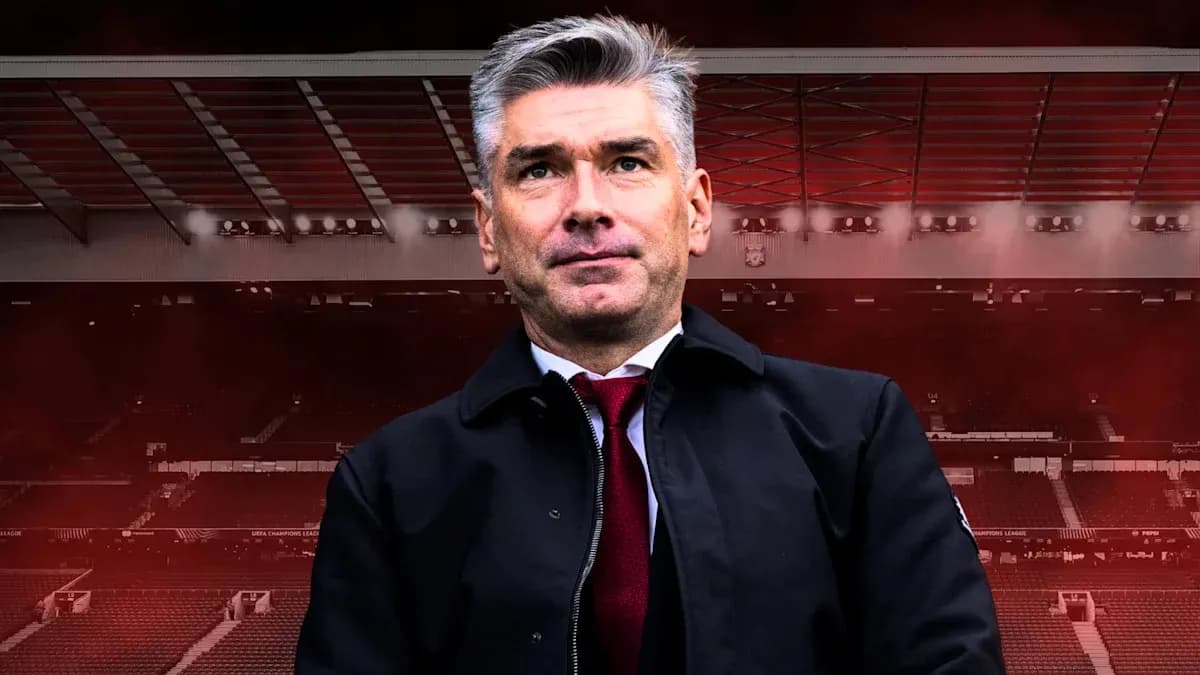
In Sydney, Roberto De Zerbi had barely finished celebrating a late winner when he dropped a line that will echo far louder than any pre-season scoreline.
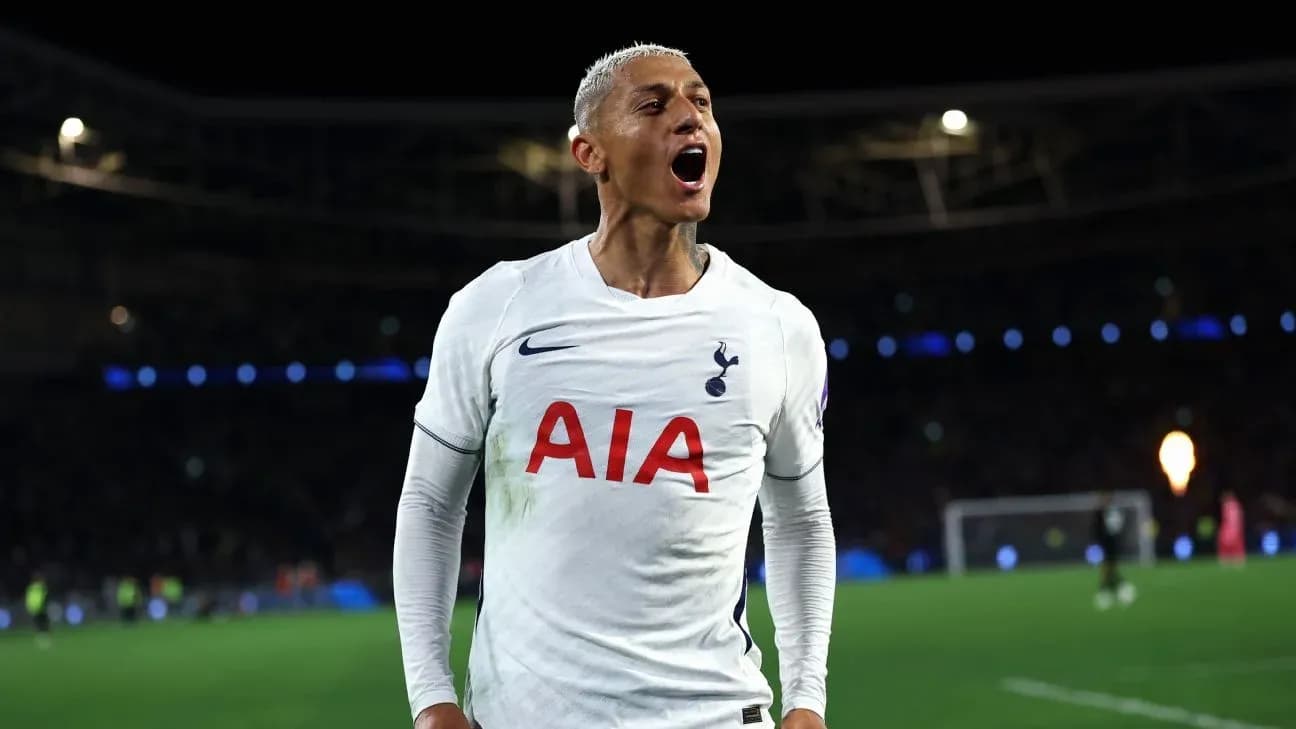
Richarlison, the matchwinner against Chelsea, might be edging towards the exit.
The Brazil forward had just decided a 2-1 friendly, tapping in to cap a sharp performance that underlined his value to Tottenham. Half an hour later, his manager was openly admitting he no longer knows if the 29-year-old wants to stay.
“I don't know,” De Zerbi said, laying out the uncertainty with unusual candour. “Sometimes he says he wants to stay, sometimes he wants to leave.”
No sugar-coating. No “it’ll be fine.” Just the blunt reality of a striker entering the final 12 months of his contract with no talks reported and a mind that seems to sway with the wind.
A rare striker, a restless mind
De Zerbi’s admiration for Richarlison as a professional came through clearly. He called him “unbelievable” in attitude and behaviour, a “lovely guy” who lifts the club and staff with his daily work. Inside the dressing room, there is no friction, no disciplinary cloud. This is not a manager pushing a player out.
Yet the numbers and the nuance tell a different story. Richarlison hit 12 goals last season, and De Zerbi was quick to stress that those goals were no accident.
“He scores goals and he knows the way,” he said. “The new striker, we don't know. The other striker, we don't know.”
That line cut straight to the heart of Tottenham’s dilemma. You can plan for the future, scout replacements, talk profiles and data, but you cannot guarantee that the next man will find the net with the same instinct. De Zerbi knows it. Spurs know it. Richarlison, perhaps, knows it best of all.
The tension lies in that grey area between admiration and acceptance. The coach clearly wants to keep him, but he is just as clear that the club will have to respect whatever the forward decides.
“There is not any problem,” De Zerbi insisted. Yet when a manager starts talking that way about a player with a year left on his deal, everyone in the game knows what usually comes next.
A new standard-bearer: Archie Gray
While one key attacker hovers between staying and going, another storyline is quietly taking shape at the other end of Tottenham’s timeline.
Archie Gray, just 20, has worn the captain’s armband throughout Spurs’ tour of Australia. In a squad that still includes seasoned figures like Ben Davies, that is no token gesture.
Asked why he had elevated the youngster to such a prominent role, De Zerbi grinned: “I'm the coach, I decide.”
Behind the quip sat a clear plan. The Italian later explained that handing Gray the armband was about giving him “something more as a confidence booster,” a visible sign of trust for a player he has long identified as central to the club’s future.
“Last season, I said he is the future of the club, as well as the present,” De Zerbi reminded everyone.
Gray’s value lies not just in his talent but in his versatility. He can cover two or three positions, even if one of them does not exactly thrill him. Right-back is not his favourite role, yet De Zerbi framed the captaincy as a test of leadership and sacrifice.
“With the captain, you have to think first of all for the group, for the team, for the club, then for yourself,” he said.
Gray has accepted that challenge, even when it has meant playing out of position or stepping out of the “best eleven” on paper. The armband, in that context, becomes more than a strip of fabric. It is a statement: this is the player Spurs expect to grow into the heartbeat of the side.
Mudryk’s return and a personal bond
Across the technical area, another story unfolded in Sydney, one that reached back to De Zerbi’s past.
Mykhailo Mudryk, back in Chelsea’s squad after winning his appeal against a doping ban that had kept him out since November 2024, returned to the pitch with the eyes of the football world on him. For De Zerbi, though, this was not just a headline about a rival winger. It was deeply personal.
He coached Mudryk at Shakhtar Donetsk, helped shape the explosive wide man who earned a move to the Premier League. On Saturday, he spoke about him with warmth that went beyond the usual managerial platitudes, describing him as “my second son.”
“I’m very, very happy,” De Zerbi said of Mudryk’s comeback. “A good guy, a top player, hopefully he can show what he suffered in the last two years in the next season. Maybe not against Tottenham, but he's a lovely guy and he's a very, very good player.”
It was a reminder that even in the churn of pre-season, with transfer sagas brewing and tactical plans forming, the human stories still cut through.
A crossroads in August
So Tottenham leave Sydney with a win over Chelsea, a young captain in Archie Gray, and a manager publicly embracing both loyalty and uncertainty.
On one hand, De Zerbi is building around a 20-year-old he calls the future and the present, loading him with responsibility and trusting him to carry it. On the other, he is bracing himself for the possibility of losing a proven goalscorer he freely admits will be “not so easy” to replace.
The goals in friendlies will soon be forgotten. The decisions that follow them will not. As Richarlison weighs up his next move and Gray tightens the armband around his sleeve, Spurs stand on the edge of a familiar Premier League question:
Do you cling to what you know, or jump into the unknown and hope the next striker “knows the way” just as well?