The Return of Europe's Great Absentees: Football's Resurgence
They were gone long enough to be missed. Not long enough to be forgotten.
Across Europe this season, some of the game’s most evocative names are clambering back into the light, dragging with them years of chaos, reinvention and stubborn refusal to accept irrelevance. From Galicia to Diyarbakir, from the Sarthe to the Saarland, promotion has not simply meant a better fixture list. It has meant survival.
Deportivo La Coruña: Ghosts of a Golden Age
For a generation, Deportivo La Coruña were not plucky underdogs. They were a problem.
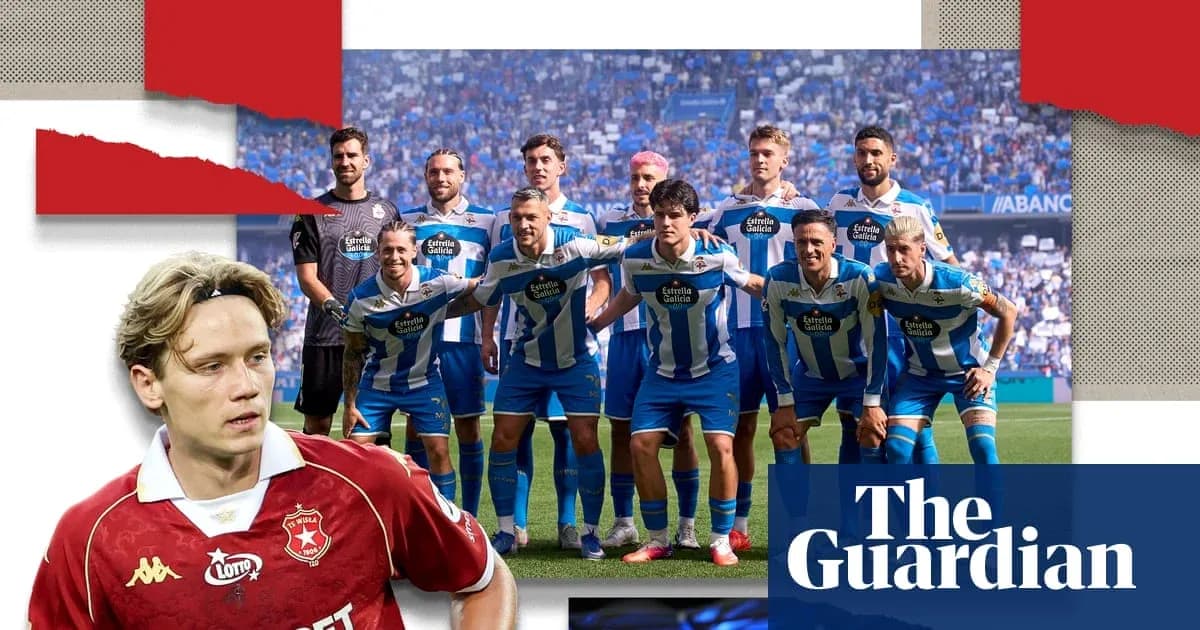
Between 1993 and 2004, Dépor lived permanently in the nosebleed section of La Liga, finishing in the top three nine times and smashing the duopoly so hard they took the title in 1999. They pushed Europe’s elite too, reaching the 2004 Champions League semi-finals and running into José Mourinho’s Porto at full tilt. Change that tie and history might read very differently.
Then the floor gave way.
The club that once traded blows with Barcelona and Real Madrid slipped into mid-table anonymity, then out of the top flight altogether. By 2020, they were marooned in Spain’s regional third tier – a fall so steep it felt almost surreal. Riazor, once a stage for title deciders, hosted the grind of obscurity.
Four years later, the climb finally began to look like a story again. Dépor fought their way back to the Segunda, then jolted from 15th in 2024-25 to automatic promotion last season. No slow burn. A leap.
The Juan Carlos Valerón and Diego Tristán era is gone, locked in grainy highlights and fading shirts. But the intent is back. The club have moved decisively in the market, bringing in Mallorca goalkeeper Leo Román and veteran finisher Pierre-Emerick Aubameyang – the kind of signing that signals ambition rather than survival panic.
Deportivo are not alone in their resurrection. Racing Santander, champions of the Segunda, return to La Liga after 15 years away. Málaga, who also dropped in 2018 and briefly sank into the third tier in 2023-24, are back as well. Once, these were fixtures that shaped the Spanish season. Now they carry a different weight: can the old names still matter in a league that has moved on without them?
Elversberg: A Village Club at the Top Table
Germany’s promotion battles have grown used to the same script: heavyweights trying to drag themselves upright while smaller clubs sprint past them. Last season fit the pattern perfectly.
Schalke, a giant with scars still fresh, took the 2. Bundesliga title and finally escaped a division they have visited far too often in recent years. The runners-up, though, told the more remarkable story.
SV Elversberg come from a town in Saarland whose entire population could fit inside Schalke’s Veltins-Arena four times over. Three years ago, in 2021-22, they were still kicking around the regional leagues. Now they are staring at the Bundesliga.
The rise gathered pace under coach Horst Steffen, who turned Elversberg into a relentless, upwardly mobile unit. They narrowly missed out in the promotion playoff, Steffen was prised away by Werder Bremen last summer, and the narrative should have cooled there.
It didn’t.
Steffen lasted just nine months at Bremen. Elversberg, meanwhile, simply reloaded. Vincent Wagner, brought in from Hoffenheim’s second team, stepped up and kept the momentum rolling, guiding the club into the top flight.
Off the pitch, reality is catching up. The stadium will be expanded throughout the season to meet the 15,000-capacity requirement. On the pitch, there will be no such gradual easing in. Their first two visitors? Leverkusen and Bayern Munich. No time to blink, no space for awe. A village club, a makeshift top-flight ground, and the champions at the door. That is not a learning curve. It is a cliff face.
Le Mans: From Financial Ruin to a New Project on the Circuit
In France, money has become a familiar accent in the top tier. Paris FC’s billionaire backing, BlueCo at Strasbourg, City Football Group stepping in with promoted Troyes. Ligue 1 is now a magnet for investors with grand plans and long portfolios.
Le Mans arrive with a similar script, but a different setting.
This is a club whose stadium sits inside the legendary Circuit de la Sarthe, in a town known worldwide for endurance racing rather than football. They tasted the top flight briefly in the 2010s, then veered into financial collapse and disappeared from the main stage.
The first job was simply to get back to relevance. They climbed to Ligue 2, stabilised, and then the story shifted again last August when Brazilian consortium OutField took over. The new ownership came with star power: Novak Djokovic, Thibaut Courtois and F1 drivers Felipe Massa and Kevin Magnussen all attached their names to the project.
It would have been easy to turn that into a circus. Le Mans have chosen a different line. The club have “moved quickly through the gears”, but the strategy is not about throwing money at short-term fixes. They are reopening the academy, investing in youth, and focusing on potential rather than headline-grabbing fees.
The glamour sits in the background. The football project, if it holds its nerve, will be built on something more durable than a celebrity shareholder list.
Amedspor: Promotion on a Fault Line
Few promotions anywhere in world football carry the political charge of Amed SK’s.
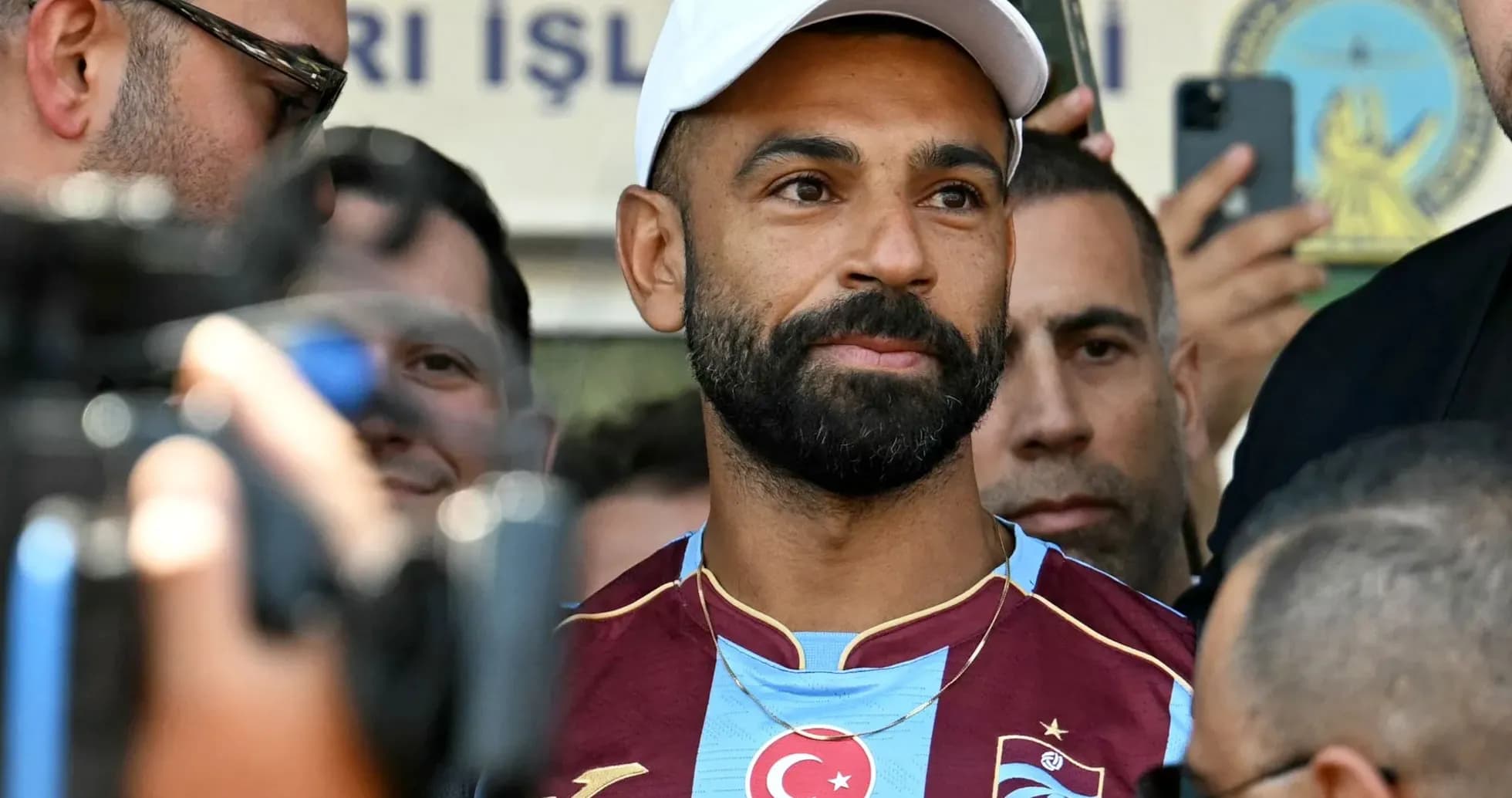
Better known as Amedspor, the club will play in the Turkish Super Lig for the first time this season. On paper, they are just another promoted side. In reality, they represent a city, a language and a long history of tension.
Based in Diyarbakir, a Kurdish-majority city closer to the borders with Iraq and Syria than to Istanbul, Amedspor have become a focal point for Kurdish identity. The turning point came in 2014, when the club added “Amed” – the Kurdish name for the city – to their title. That decision transformed them.
The new name drew a broader, more diverse fanbase and turned the club into a symbol as much as a team. It also attracted hostility. Amedspor supporters have endured abuse, intimidation and even physical attacks from rival fans. The situation became so volatile that the Turkish FA banned their fans from away games until 2020.
On the pitch, they climbed from the third and fourth tiers to the brink of the elite. Now they are in the Super Lig, and the stakes have risen again. Security, crowd control, the risk of violence – all of it will be under scrutiny every week.
There are hints, though, that some of the old lines may be softening. President Recep Tayyip Erdogan, who has consistently refused to acknowledge Diyarbakir’s Kurdish name, surprised many by publicly congratulating Amedspor on their historic promotion. One message does not erase years of tension, but it does frame this season as something more than a sporting experiment.
Every away trip, every televised game, will test how ready Turkish football really is for Amedspor at the top table.
Wisla Krakow: The White Star Rises Again
In Poland, the return of Wisla Krakow feels less like a promotion and more like a correction.
Founded 120 years ago, Wisla are one of the country’s great institutions, 14-time league champions and, until recently, permanent residents in the top division. That run ended in 2022. The White Star dropped out of the Ekstraklasa and spent four seasons looking up at a league they once helped define.
They did not disappear. Last year, still in the second tier, Wisla lifted the Polish Cup for a fifth time, a reminder that history and know-how do not vanish overnight. Behind the scenes, the club used the exile to modernise. Analytics became a sharper tool. Academy products found clearer pathways.
Former player Jakub Blaszczykowski joined as a minority investor, lending both capital and credibility to the rebuild. The payoff arrived with promotion and a statement of intent on their top-flight return. Against Katowice, Wisla won 2-1 as the stands erupted in a red-and-white pyro show that felt less like a celebration and more like a declaration: they were back, and they intended to sound like it.
The city’s football landscape has changed too. The “Holy War” derby with Cracovia returns to the calendar, but it no longer stands alone. Wieczysta Krakow have muscled their way into the Ekstraklasa via the playoffs, lifting the number of top-tier sides from Poland’s second-largest city from one to three.
Wieczysta will ground-share with Wisla this season because their own stadium does not meet league standards. One city, three clubs, shared turf, and a league that suddenly has Krakow at its heart again.
The question now is not whether these names belong back in the spotlight. It is how long they can stay there, and how far they dare to push the story this time.