Record Heatwave Delays Anglian Combination Season Start
The Anglian Combination was supposed to be lacing up this weekend. Instead, the boots are staying in the kit bags while the pitches bake under another relentless heatwave.
One of England’s biggest amateur competitions, with 85 clubs spread across Norfolk and Suffolk, has taken the rare step of delaying the start of its 2026/27 season after weeks of extreme weather left grass surfaces “rock hard” and unsafe.
After an urgent board meeting on Friday, league officials unanimously agreed to postpone the kick-off until 29 August, citing player welfare and a growing list of injuries on parched pitches.
Pitches Like Concrete
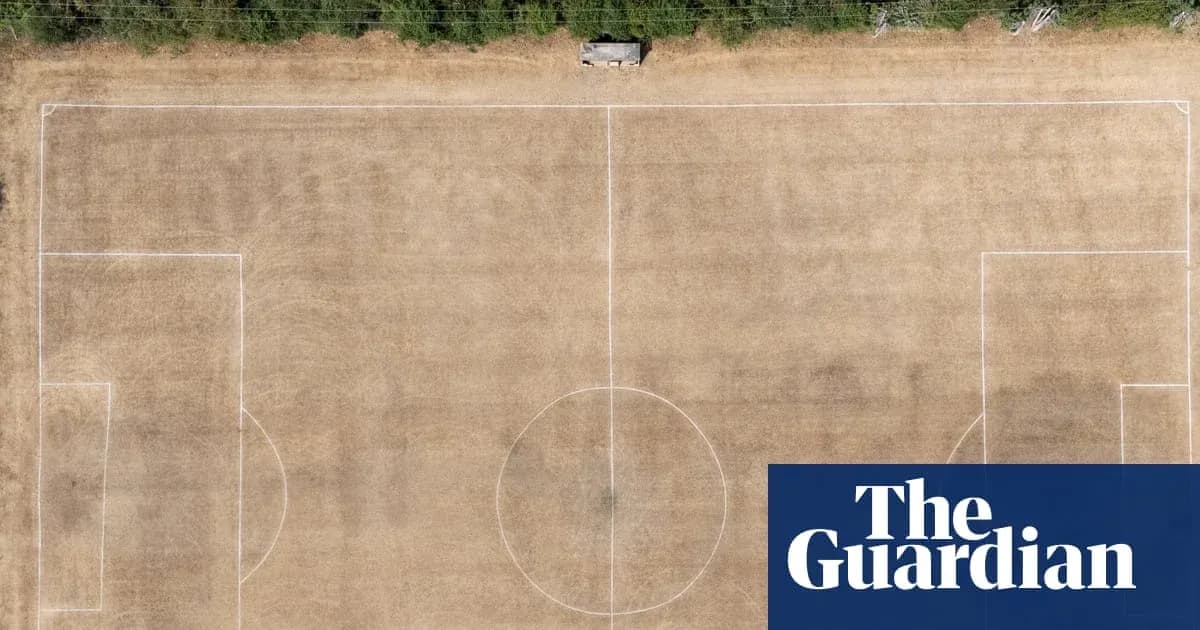
Pre-season was the warning sign. Friendlies were being scratched from the schedule as clubs inspected their grounds and found turf that simply wouldn’t give. Where matches did go ahead, the league reported “many injuries” linked directly to the unforgiving conditions.
In a statement sent to clubs, players and officials, league chair Dale Brown laid out the stark reality. Most grounds in the Anglian Combination are traditional grass pitches, not heavily irrigated training complexes. With July confirmed as the driest since records began in 1836, the surfaces have turned from playing fields into something closer to car parks.
“The rationale behind this decision is to protect the welfare of players, officials and all associated with the match day, in what has been the driest and hottest July since records began in 1836,” Brown said, stressing that the ground is “extremely dry and pitches rock hard.”
For a grassroots league, where many players head back to day jobs on Monday morning, the risk of serious injury on such surfaces was a line the board was not prepared to cross.
Brown admitted the call would not be universally popular. Some clubs had squads ready, friendlies arranged, and budgets planned around an earlier start. “This was a very difficult decision to reach and one that will not please all clubs,” he conceded.
A League at the Mercy of the Weather
This is not a one-off hot spell. England and Wales have endured a sequence of record-breaking heatwaves and exceptionally low rainfall, leaving large swathes of the country visibly scorched. Much of England is now officially in drought, with half the country under that designation last month.
May and June brought record temperatures. July went further, becoming the driest on record. The result is a landscape where grass pitches, parks and playing fields have faded to brown and turned rock solid.
Anglian Water, which supplies Norfolk and Suffolk, imposed a hosepipe ban on 11 July. That restriction has handcuffed many community clubs, who rely on basic watering to keep their pitches playable. While some golf clubs, certain sports facilities and private schools have attracted attention for exemptions from hosepipe bans, the bulk of amateur football grounds have had no such luxury. They’ve simply been left to burn.
Aerial images from across the region tell the story: expanses of yellowed grass, goalmouths and centre circles indistinguishable from the rest of the field, the only green pockets often sitting behind the fences of more privileged venues.
No Respite on the Horizon
Those hoping the weather would break before the season opener have been left disappointed. The Met Office is forecasting yet another heatwave next week, with temperatures in parts of East Anglia and south-east England expected to climb to 36C by Thursday. Humidity is set to rise, but the one thing groundsmen are desperate for – meaningful rain – remains absent from the forecast.
That outlook left the Anglian Combination with little room to manoeuvre. Even if showers did arrive, they would need time to soften the ground and allow pitches to recover before competitive football could resume with any degree of safety.
For now, the calendar has been redrawn. The first league fixtures will not be played until 29 August at the earliest, compressing an already busy amateur schedule and asking clubs to adapt quickly once the whistle finally blows.
A Local Decision, A National Question
The Football Association does not keep central records on how many leagues have been forced into similar postponements by the drought. The governing body has made it clear this is a matter for individual competitions and county FAs to manage, based on local conditions.
That leaves the Anglian Combination as one of the clearest examples yet of how climate extremes are starting to reshape the rhythms of the English football season, not at Premier League level with under-soil irrigation and high-tech sprinklers, but on the village and small-town pitches where the game’s foundations lie.
For the players of Norfolk and Suffolk, the wait goes on. The balls will stay in the sheds a little longer, the touchlines will remain empty, and the only thing moving across those sunburnt pitches will be the heat haze.
When the season finally starts at the end of August, the first whistle may carry a different edge: not just the return of football, but a reminder of how fragile the grassroots game can be when the weather turns against it.