Real Madrid Set to Sign Yan Diomande for €120 Million
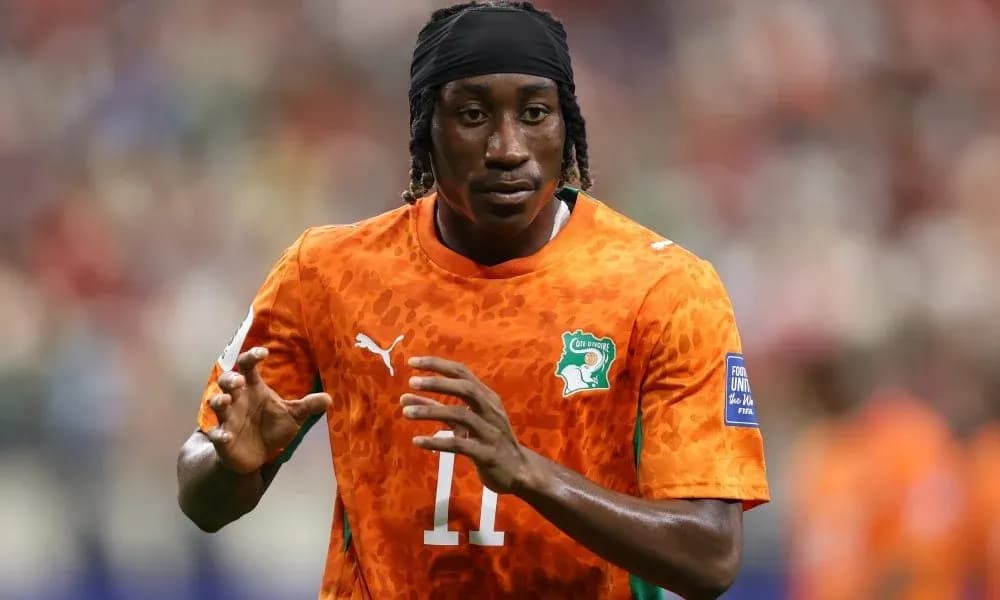
Yan Diomande is on the brink of becoming Real Madrid’s next blockbuster signing. The move is not yet official, but all roads now lead from RB Leipzig to the Bernabéu for the 19-year-old Ivory Coast winger.
Madrid are closing on an agreement with Leipzig for a fee in the region of €120 million, with Diomande expected to sign a five-year contract running until 2031. For a player who has only just burst onto the European scene, it is a statement of intent and a gamble rolled into one.
Barcelona knocked, Leipzig slammed the door
Before Madrid pressed the accelerator, Barcelona had already circled the player. According to Mundo Deportivo, the Catalan club made their move quietly, using the good relationship forged with Leipzig during the Dani Olmo deal to open a line of communication.
They asked the question every sporting director in Europe has on their mind right now: is Diomande available?
Leipzig’s reply was blunt. No negotiations. Not for a player they had only recently brought in, not unless someone came with an offer that blew the market apart. Internally, club officials made it clear that any conversation would start above €100 million.
Barcelona walked away. They were never going to stretch that far for a teenager, not in their current financial context, and certainly not with other priorities on the table. What looked excessive in spring has now been dwarfed by Madrid’s willingness to push towards €120 million.
Scouting, meetings… and a change of plan
Barcelona did not stop at a single phone call. The club met Diomande’s representatives in April and May, at a time when the winger was tearing through the Bundesliga. Thirteen goals and ten assists in 36 appearances had turned him into one of the most talked-about young attackers in Europe.
The profile fit: explosive wide man, one-on-one specialist, end product already there. But Leipzig’s stance never softened. No discount, no compromise, no clever structure that might bring the price down.
So Barcelona pivoted.
They explored extending Marcus Rashford’s stay first, before settling on a different route: Anthony Gordon. The England international arrived for €70 million plus €10 million in bonuses, a major outlay but still comfortably below the Diomande numbers. On top of that, they added Karim Adeyemi, another versatile forward, again for a combined investment lower than what Madrid are now ready to commit to a single player.
In the end, Barcelona chose experience and depth over one huge swing on a teenager.
A Europe-wide chase
Once Barcelona had tested the waters, the rest of Europe followed. Atletico Madrid were linked. Premier League clubs and Ligue 1 sides joined the queue as Diomande’s season gathered momentum.
PSG went further than most. They reached an agreement with the player himself, only to stall when it came to finding common ground with Leipzig. The German club held firm, just as they had with Barcelona. No club matched their demands.
That was the opening Real Madrid needed.
When Madrid arrived with a proposal close to Leipzig’s valuation, the tone of the conversations changed. Negotiations moved from theoretical to concrete, and the Spanish giants are now on the verge of securing one of the most expensive transfers in their history.
Two giants, two strategies
Look at the board, and the contrast is clear.
Real Madrid are ready to drop around €120 million on Diomande, betting on ceiling, potential, and the idea of building another long-term attacking pillar. It fits their recent pattern: pay big, pay early, and trust the talent to grow into the shirt.
Barcelona, boxed in by finances and scarred by past overpayments, have gone the other way. Gordon brings more top-flight experience, Adeyemi adds flexibility, and together they cost less than the single cheque Madrid are preparing for Diomande.
One club is doubling down on a prodigy. The other has spread the risk across two forwards.
Soon enough, the question will no longer be about fees or negotiations. It will be played out on the pitch: did Madrid’s bold swing for Diomande reshape the balance of power, or did Barcelona’s more measured rebuild prove the smarter play in the long run?