Real Madrid's Midfield Crisis: Rodri Chooses Barcelona
Two months ago, Florentino Perez stepped behind a podium and did what he does best: set the stage for something epic. A "player of the calibre of Cristiano Ronaldo or Kaka" was coming, he promised. A huge offer. At least €150 million. A statement signing to launch his new mandate and Jose Mourinho’s new era.
The money has gone. The statement hasn’t.
Michael Olise never left Bayern Munich. The officially confirmed €150m bid for Atletico Madrid’s Julian Alvarez was swatted away by their neighbours. The only major arrival is Yan Diomande from RB Leipzig, a gifted forward signed for a base fee of €125m. The cheque book is open, the firepower is stacked, yet the most obvious problem in this Real Madrid squad remains untouched.
They still don’t have a holding midfielder worthy of the shirts once worn by Toni Kroos, Luka Modric and Casemiro.
The one that got away
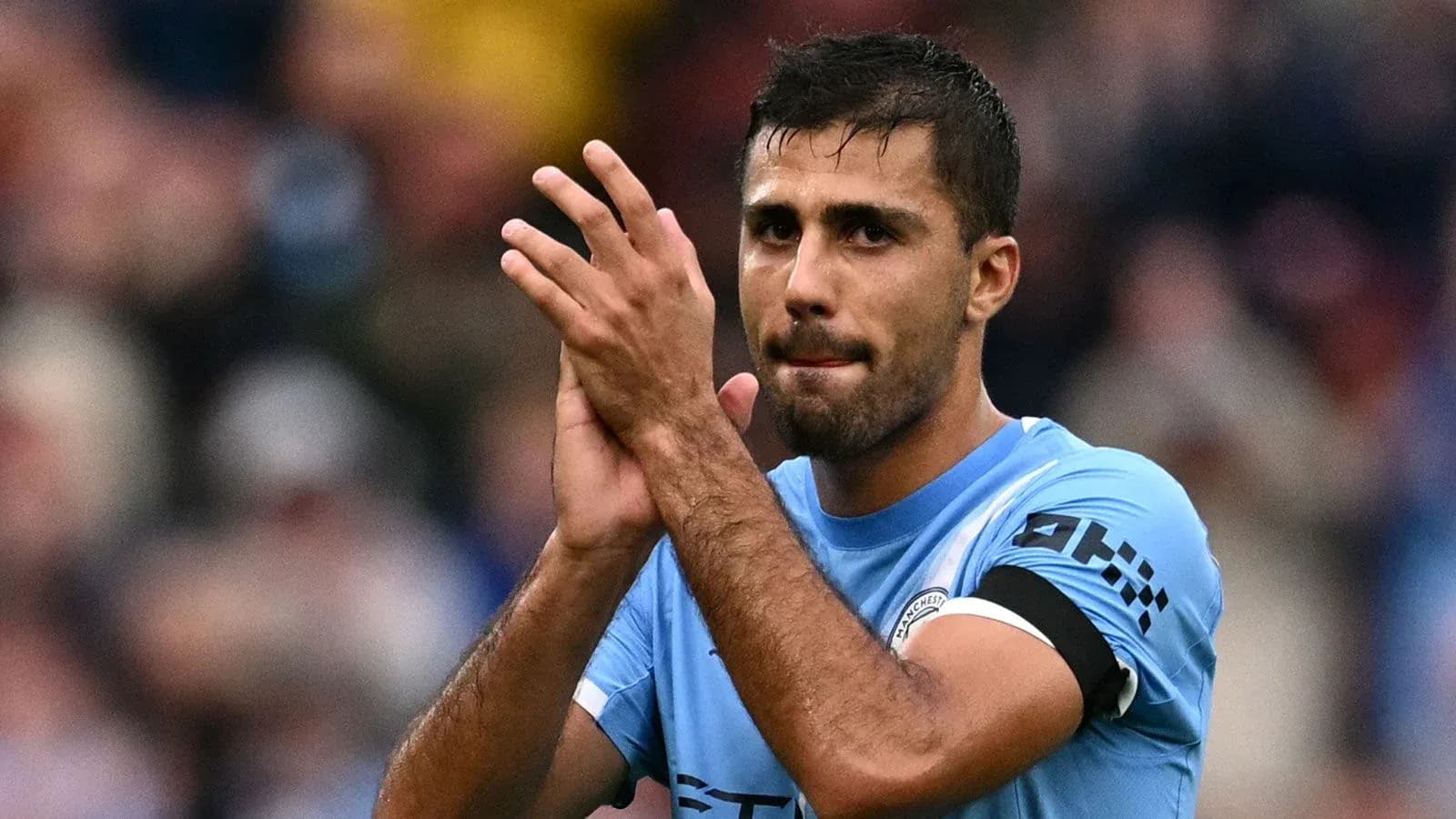
For a while, Rodri looked like the solution. Born in Madrid, polished at Atletico, crowned the best player at the World Cup with Spain, he spoke in the spring about how his past at the Metropolitano would not prevent a future at the Santiago Bernabeu. Others had crossed that line before him, he reminded everyone. It sounded like a door being nudged open.
Now it has been slammed shut.
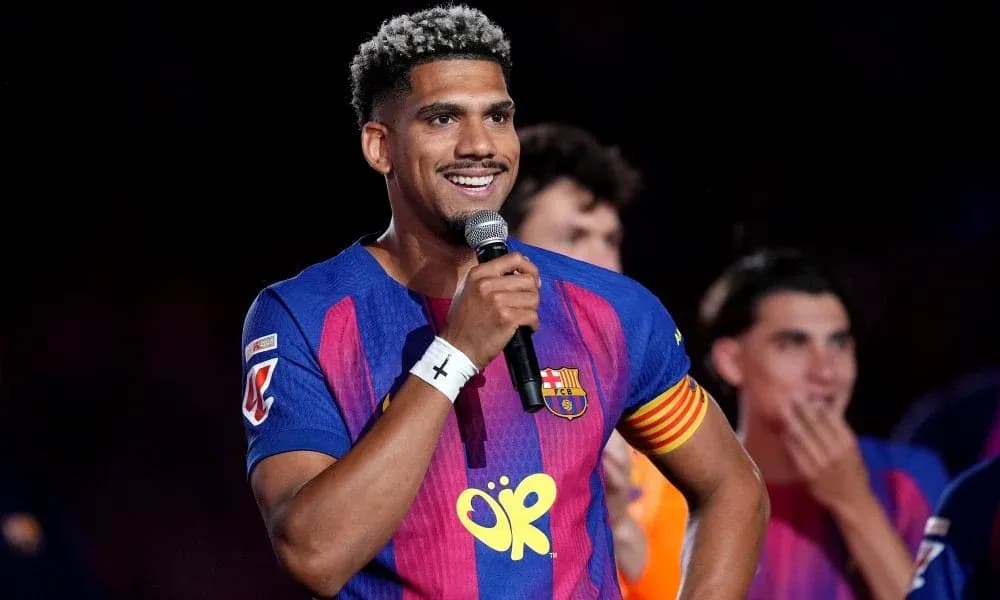
Rodri is on course to leave Manchester City for Barcelona instead, his agent Pablo Barquero making it clear that Real’s offer has been rejected. For Perez and Mourinho, that decision cuts deep. They were convinced the 30-year-old could anchor a new cycle, turn last season’s trophyless campaign into an uncomfortable blip rather than the beginning of a decline.
Instead, the player they had quietly earmarked as the cornerstone of a rebuilt midfield is heading to Catalonia. Not just anywhere in Catalonia, but to Barcelona.
For Real Madrid, that is not a transfer blow. It is a political defeat.
A skewed squad and a widening gap
The pattern at Real is impossible to ignore. Olise. Alvarez. Diomande. All forwards, all aimed at decorating an already glittering attack. Kylian Mbappe, Vinicius Junior and Diomande will terrify defences, but someone still has to feed them, protect them and control the tempo behind them.
Right now, that responsibility again falls on Aurelien Tchouameni and Fede Valverde. Both are outstanding footballers. Both have been asked, repeatedly, to become something they are not. The evidence of the last two years is clear: neither has the natural rhythm, positioning or authority to be the single reference point in front of the defence at the level Real Madrid demand.
Rodri does. That is why his move to Barcelona stings so badly in the Spanish capital and feels like a coup in Catalonia.
For Hansi Flick, it is exactly the signing he needed. Barcelona have humiliated Real twice in a row in the league. They have spent too long patching up the absence of Frenkie de Jong, who is again facing a long spell out injured. Now they are poised to bring in the World Cup’s outstanding player, a midfielder walking into a dressing room full of the same Spanish core with whom he just became world champion.
The sporting logic is obvious. The symbolism is devastating.
Another front in an endless war
Real Madrid and Barcelona do not simply compete. They collide. Every signing, every statement, every whistle from a referee is pulled into a feud that has run for decades and shows no sign of cooling.
Rodri’s expected arrival at Camp Nou drops straight into that history. The echoes of Luis Figo’s move in the 2000s still bounce around both stadiums. The Negreira scandal has poisoned trust in refereeing to the point where every Clasico decision is dissected as if it were evidence in court. Real even joined the criminal proceedings against Barcelona as a private prosecutor, a gesture that ensured every contentious call since has been framed by suspicion.
From there, the relationship between the two giants has only deteriorated. Joan Laporta branded Real the "club of the regime", historically favoured and still indulged by officials. The institutional ties that once held the rivalry in a kind of formal respect snapped. Perez and Laporta, once allies in the Super League project, stopped sharing the traditional pre-Clasico presidents’ lunch. Real refused to offer Barcelona’s hierarchy the customary VIP honours.
The battles moved from boardrooms to press releases. When Perez announced a record transfer was imminent, Real followed up by publicly confirming their €150m offer for Julian Alvarez and Atletico’s rejection. Barcelona, long linked with the Argentine, suddenly looked flat-footed. The suspicion was obvious: Real had gone public not only to show their muscle, but to inflate the price for a player their rivals admired.
Then came the 2024 Ballon d’Or. Real boycotted the gala in protest at Rodri’s triumph over Vinicius Junior. That night sharpened the animosity around the midfielder. He became a symbol of grievance in Madrid, a lightning rod for a club that felt slighted.
Now that same player is preparing to wear Barcelona’s colours.
Madrid’s next move
This is why Rodri’s rejection lands like a slap across the face at Valdebebas. It is not just that Real have missed out on the ideal holding midfielder. It is that he has chosen the other side. The one they are suing. The one they accuse. The one they measure themselves against in every possible way.
Barcelona, already armed with momentum and a coach who has twice dismantled Real in the league, now look set to add the very piece Perez and Mourinho needed most. Real, for the moment, are left with a disjointed puzzle: a fearsome front line, a proud badge, a gaping hole in the middle of the pitch and a transfer window ticking down.
They can still act. There is still time to find a different solution at the base of midfield, to correct the imbalance that has grown since the Kroos-Modric-Casemiro axis broke apart. But it will not be Rodri. It will not be the ready-made organiser they had quietly imagined anchoring the next great Madrid side.
The rivalry has its latest chapter. Barcelona celebrate a coup. Real Madrid are forced back to the market, and to the mirror. How they answer that reflection may define Mourinho’s new era before a ball is even kicked.