Quarterfinal Showdown: France, England, Argentina, Spain and Their Opponents
And then there were eight.
Ninety‑six matches in 27 days have stripped this World Cup down to its core contenders, leaving a quarterfinal slate that feels like a mini‑tournament of its own: a rerun of a Qatar classic, a first‑time visitor to this stage, a reigning champion clinging to its crown, and a defensive machine that hasn’t been breached once.
Here’s how the last eight stack up – and why each tie might tilt one way or the other.
1. France vs. Morocco – July 9
A semifinal reborn, with new faces and old scars.
Less than four years ago, France edged Morocco 2-0 in a tense, tactical semifinal in Qatar. The names at the heart of that night still linger – Kylian Mbappe, Ousmane Dembele, Achraf Hakimi, Yassine Bounou, Azzedine Ounahi – but almost everything around them has shifted.
Didier Deschamps now has a fresher, more experimental supporting cast. Michael Olise, Desire Doue and Bradley Barcola are tasting this altitude for the first time, asked to mesh with Mbappe’s ruthless directness and Dembele’s unpredictability. It’s still France, still heavy favorites, but the edges are less familiar, the patterns less rehearsed.
Morocco, meanwhile, has quietly retooled without losing its identity. Hakimi remains the emotional and tactical outlet on the right, Bounou the calm at the back, Ounahi the metronome in midfield. Around them, Brahim Diaz brings a sharper creative spark between the lines, while 18-year-old Ayyoub Bouaddi adds fresh legs and bravery in the middle of the pitch.
The balance feels similar to 2022: France with the deeper talent pool, Morocco with the cohesion and bite to turn this into a knife‑edge affair. Both sides can score multiple goals; both can also shut a game down and wait for a mistake.
One detail could loom large. Ismael Saibari limped out of Morocco’s round of 16 win over Canada, and the striker is a major doubt. Without him, Morocco loses a key reference point up front – someone who can occupy France’s centre-backs and create space for Diaz and the runners from deep. In a match likely to be decided by fine margins, that absence might tilt the balance just enough.
The memory of Qatar will hang over this one. So will the feeling that if anyone can drag France into another uncomfortable, grinding 90 minutes, it’s this Morocco side.
2. England vs. Norway – July 11
Haaland, the Premier League reunion, and a very different kind of test.
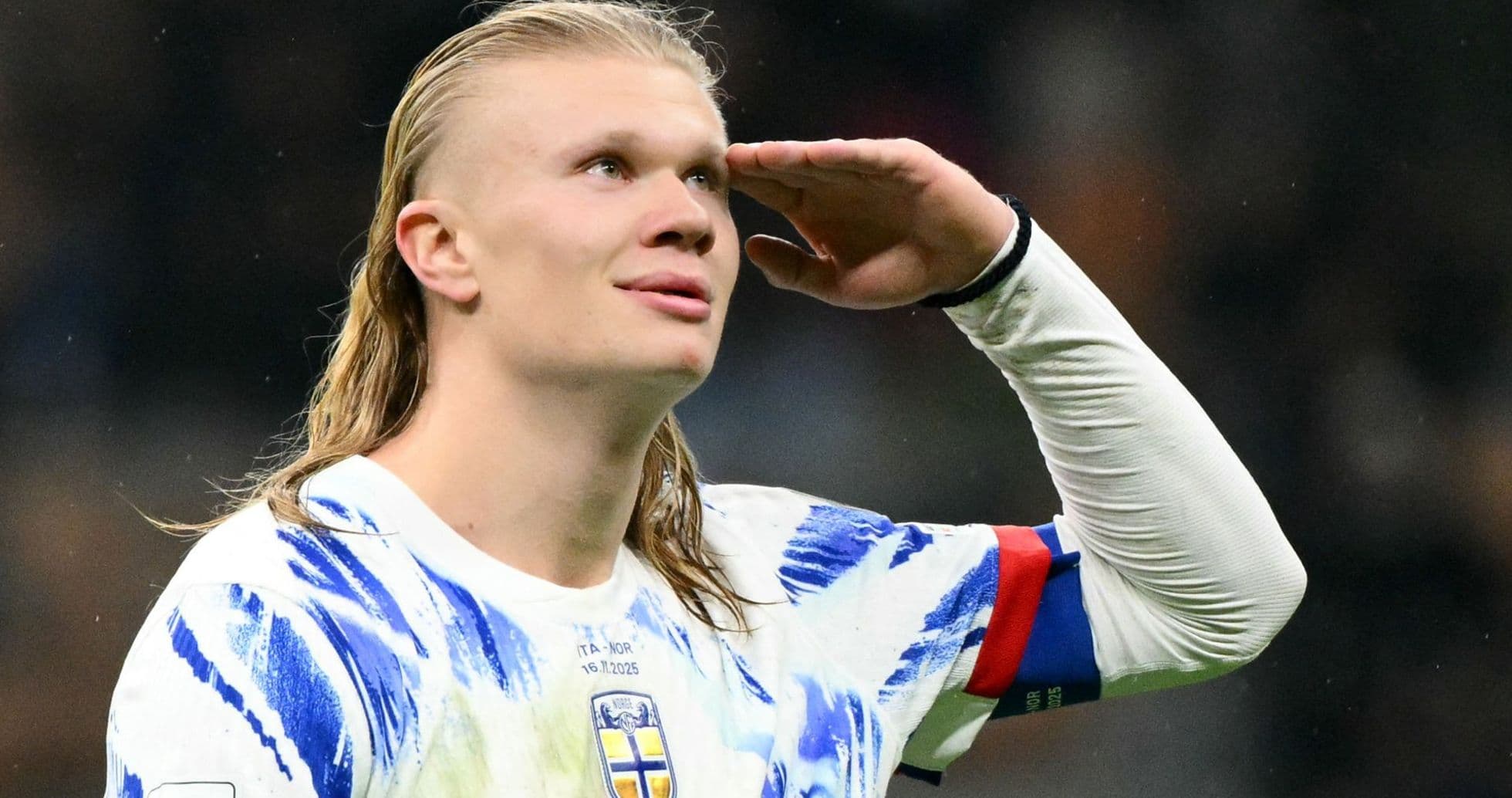
Norway has waited 28 years to see its flag in a World Cup quarterfinal again. Now it arrives in the United States with Erling Haaland leading the charge and a squad that feels far more than a one-man show.
Still, all eyes will start with Haaland. The Manchester City striker walks into Miami surrounded by familiar faces in enemy colors. England could realistically field three of his City teammates from last season – Marc Guehi, John Stones and Nico O’Reilly – across its defensive line. Few defenders in world football know his movements, his triggers, his habits as intimately.
Whether that knowledge slows him down or simply sharpens his edge is another story.
Norway’s threat doesn’t end there. Martin Odegaard orchestrates from midfield with the same composure Arsenal fans see every week. Sander Berge adds power and control for Fulham. Oscar Bobb, once of City and now also at Fulham, offers guile and incision from wide areas. This is a group steeped in Premier League rhythm, comfortable with the pace and physicality England will bring.
England arrives from the opposite emotional direction: not relief, but a jolt of belief. The stirring win over Mexico showed quality, but more importantly, character. They came through a test of nerve. Now comes a test of patience.
Against Norway, England should see more of the ball. The onus will be on them to probe, to create, to break down a compact block that knows exactly what it wants to do. The danger is obvious: every lost ball, every sloppy pass, becomes a launchpad for Haaland on the counter. One sprint, one pass, one finish – and the entire game plan can unravel.
This feels like a quarterfinal that might never fully open up. One mistake at the back, one perfectly timed run, one moment of set‑piece precision could settle it. Cagey, tense, decided by inches – and by which side manages Haaland’s shadow better.
3. Argentina vs. Switzerland – July 11
The champions keep living on the edge.
Argentina is two wins away from another World Cup final, but it has taken the scenic, nerve‑shredding route to get here. Extra time against Cape Verde. A monumental comeback against Egypt. Every round has carried a sense of brinkmanship, as if the title defense depends on surviving one crisis after another.
Now comes a different kind of obstacle. On paper, Switzerland is stronger than either of Argentina’s previous knockout opponents. On the pitch, it is exactly the sort of side that can turn a champion’s night into a long, grinding ordeal.
The Swiss are loaded with players hardened in Europe’s top leagues. This is a group that has already removed France and Italy from major tournaments in recent Euros. They know how to suffer without the ball, how to close space, how to turn a game into a series of duels and details.
Their defensive structure is sturdy enough to slow down Argentina’s rhythm and shrink the space around Lionel Messi. The question isn’t whether they can frustrate the holders. It’s whether they can hurt them.
Breel Embolo has the tools to do it. His pace, movement and finishing give Switzerland an outlet when they break the press. Yet the real swing factor could be Johan Manzambi. If he returns to full health, Switzerland gains another attacking option, another runner who can stretch Argentina’s back line and prevent them from pinning the game in one half.
Argentina will lean, as ever, on Messi’s genius and the team’s capacity to absorb pressure and respond. But this tie doesn’t promise chaos like Egypt or late drama like Cape Verde. It promises a test of control, of patience, of how long a champion can walk the tightrope without finally slipping.
4. Spain vs. Belgium – July 10
An immovable defense meets a revived attack.
Five games. Zero goals conceded. Spain has turned this World Cup into a showcase of control – the ball, the tempo, the opponent’s options. The numbers tell the story, but the feeling on the pitch is stronger: once Spain settles into its rhythm, matches start to look the same.
Lamine Yamal hasn’t lit up the scoresheet, but his presence changes everything. The 18-year-old Barcelona winger arrived less than fully fit, yet defenders still tilt toward his flank, double up, hesitate. That hesitation opens corridors elsewhere. Mikel Oyarzabal has exploited them better than anyone, leading Spain with four goals. Others have chipped in, but there’s a sense this attack still has another gear.
If Yamal can push closer to his top level, and if injured winger Nico Williams can offer more minutes and more thrust, Spain’s control could finally be matched by a more ruthless edge.
Belgium comes from the opposite trajectory. The group stage was a slog; the last three games have been a surge, with 12 goals scored and a shift to a more athletic lineup paying off in the win over the United States. The attack suddenly looks alive, direct, dangerous.
But that resurgence has come at a cost. Amadou Onana’s ACL injury in the round of 16 is a major blow. He has been the engine in midfield, the player who could both protect the back line and spring attacks. Without him, Belgium loses balance.
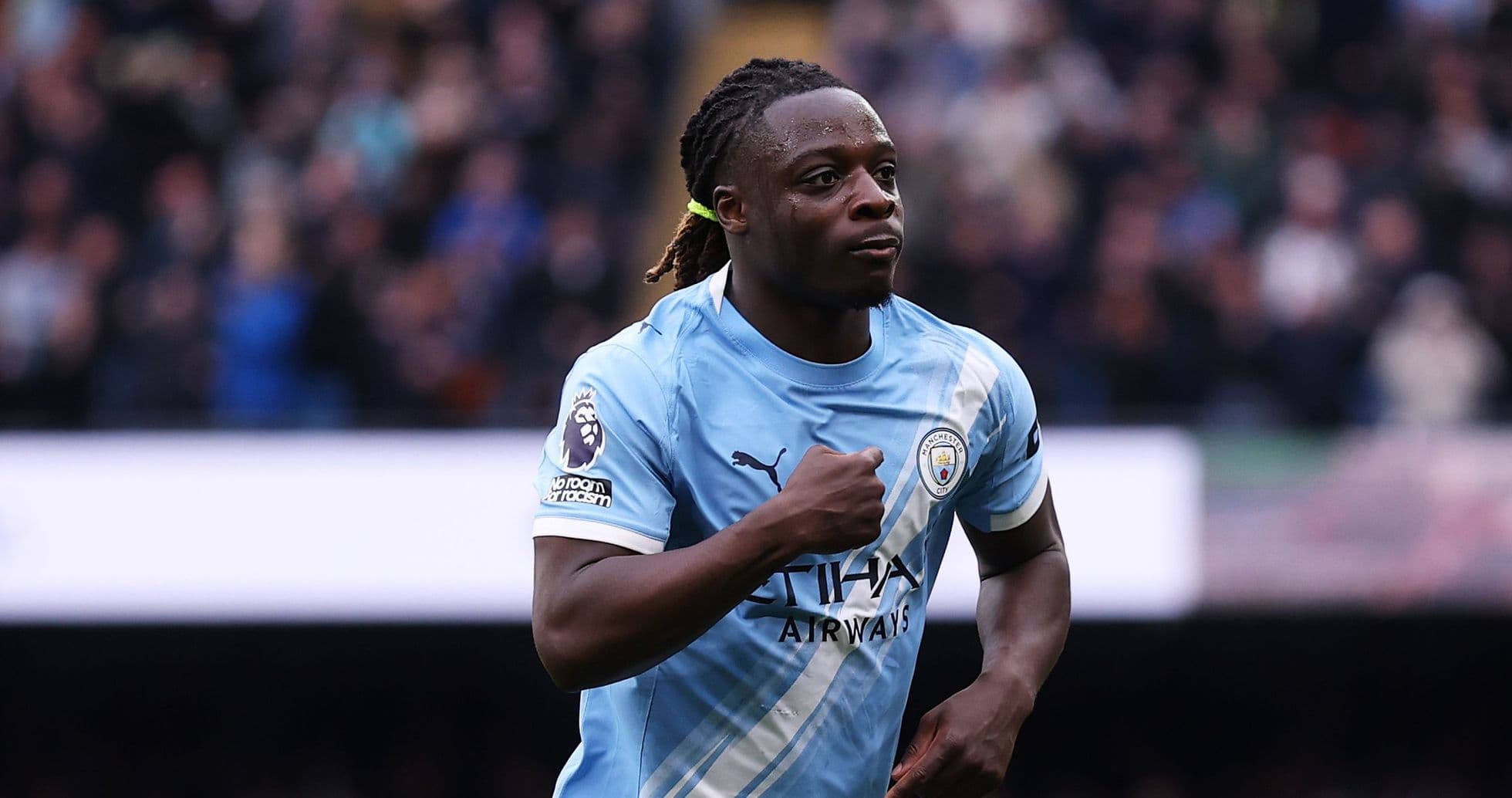
That absence may drag Kevin De Bruyne back into the starting XI after he sat out the last match. De Bruyne changes everything with one pass, one run, one idea, but he also needs the right structure around him. The choices facing Rudy Garcia are brutal: does he restore Jeremy Doku’s chaos on the wing? Does he keep Romelu Lukaku as an impact option off the bench, or trust him from the start against a defense that barely gives up chances?
With Spain’s control and Belgium’s attacking resurgence, this has the feel of a tight, tactical contest rather than a shootout. One goal could be enough. Extra time feels very much in play, and that will weigh heavily on Garcia’s decisions. Expect him to hold something – or someone – back, a late card to play when legs tire and spaces finally open.
Spain’s perfect defensive record and Belgium’s new‑found scoring touch are about to collide. One of those streaks ends here. The other might just carry its owner all the way to the final.