Protesters Occupy Dublin Sports Department Over Israel Fixtures
The Nations League meeting between Ireland and Israel in October is still weeks away, but the battle over whether it should go ahead has already reached the doors of government.
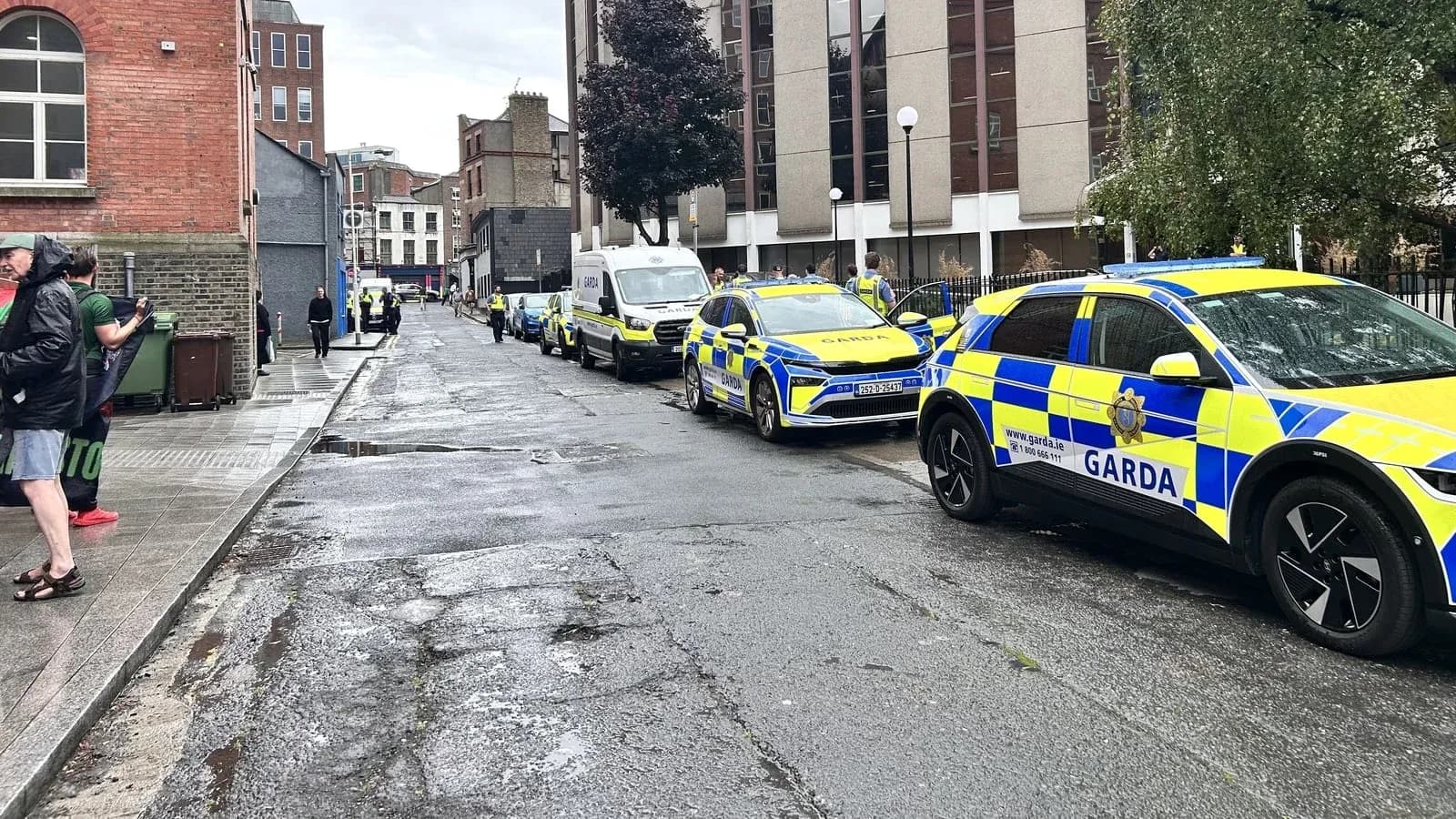
On Leeson Lane in Dublin, #StopTheGame activists forced the issue on Thursday, occupying the lobby of the Department of Culture, Communications and Sport before being removed from the building. Their target is clear: the planned Nations League fixtures between the Republic of Ireland and Israel on 27 September and 4 October.
For the group, this is not a one-off stunt. In a statement, they framed the sit-in as part of a rolling campaign that will “intensify” until both fixtures are scrapped. Their language was blunt and accusatory. They argued that Ireland, as a signatory to the International Criminal Court, “should not be engaging in sportswashing” and claimed the country is “failing in our moral, humanitarian and legal obligations” by playing the games.
The protest is aimed not just at the football authorities but at the political leadership. The statement accused the Government of exerting pressure on the FAI to fulfil the fixtures, singling out Taoiseach Micheál Martin as “one of the first to demand that the FAI play these games”.
Outside the building, Independent Dublin City Councillor Cieran Perry, speaking for the group, tried to draw a line around the players. The pressure, he said, should not fall on the squad asked to line out in green but on those who control the calendar. In his view, the FAI and the Government should take responsibility and withdraw from the Nations League ties altogether.
The football authorities have already shifted once. Last month, the FAI confirmed that the home Nations League game against Israel will not be staged in Ireland. Instead, it has been moved to a neutral venue and will be played behind closed doors in Bačka Topola, Serbia, on Sunday 4 October.
That decision was presented as a logistical one. In its own statement, the FAI Board said it had opted to relocate the match “due to operational challenges that could impact on the delivery of the game on home soil”. No further detail was offered, but the move underlined the sensitivity around hosting Israel in Dublin.
The away leg remains in place. The Republic of Ireland are scheduled to face Israel first on 27 September at the Nagyerdei Stadion in Debrecen, Hungary, before heading to Serbia for the so-called “home” fixture a week later.
Inside government, the message is that the state will not be the one to pull the plug. A spokeswoman for the Department of Sport stressed that bodies such as the FAI are “independent, autonomous bodies responsible for the governance of their own sports, including the organisation of sporting fixtures, whether in domestic or international competitions”. The line was firm: “The Government and Sport Ireland have no role in the organisation of such fixtures.”
So the standoff hardens. Activists vow to escalate until the games are halted. The Government insists the decision lies elsewhere. The FAI has already moved the match out of Ireland and behind closed doors, but kept it on the calendar.
The fixtures will go ahead, or they won’t. Between now and late September, the real contest may not be on the pitch at all, but in how far this protest movement is willing — and able — to push Irish football into a choice it has so far tried to avoid.