Portland Timbers II Edge Tacoma Defiance 1–0 in Tactical Battle
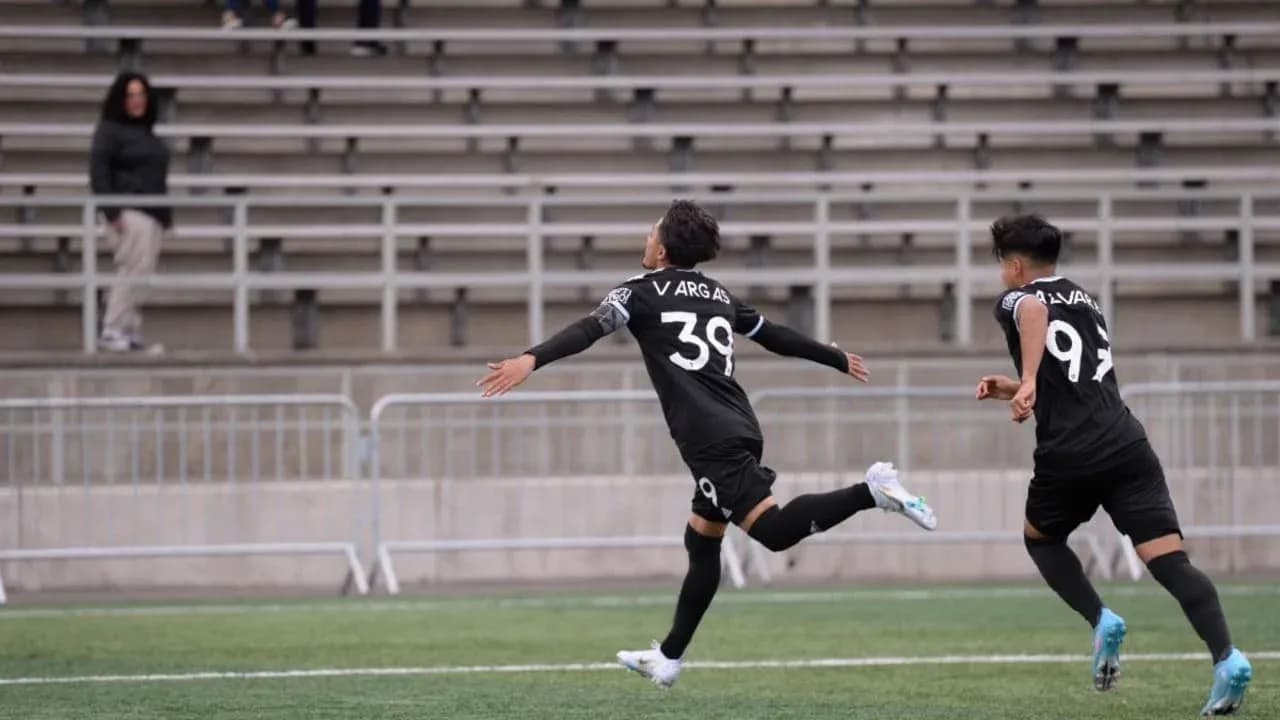
On a cool evening at Providence Park, Portland Timbers II edged Tacoma Defiance 1–0, a narrow scoreline that felt like a statement from a group that has quietly built a ruthless, results-first identity in MLS Next Pro’s Pacific Division. Following this result, the league leaders in their group underlined why they sit on 23 points from 12 matches, while Tacoma’s more volatile campaign, now 13 games deep with 14 points and a goal difference of -6 (13 goals for, 19 against), was laid bare in miniature.
I. The Big Picture – Portland’s ruthless edge vs Tacoma’s volatility
Portland’s season has been defined by extremes. Overall they have 7 wins and 5 defeats, with no draws in 12 games. In total this campaign they score 1.3 goals per match and concede 1.5, numbers that suggest a side living on a knife-edge. Yet in the table they are top of the Pacific Division and 4th in the Eastern Conference playoff picture, a team that tends to win big moments even when the margins are thin.
At home, the numbers are even starker. Across 8 home fixtures, Portland have won 4 and lost 4, scoring 11 and conceding 13. That is 1.4 goals for and 1.6 against at Providence Park – hardly the profile of a fortress, but it speaks to a side that embraces chaos and trusts its attacking pieces to tilt games their way.
Tacoma’s profile is different but equally unstable. In total this season they average 1.2 goals for and 1.5 against, mirroring Portland’s overall defensive vulnerability but with less attacking punch. On their travels they have taken 2 wins and 4 defeats from 6, scoring 6 and conceding 12: exactly 1.0 goal scored away per match, 2.0 conceded. The away goal difference of -6 (5 goals for, 11 against in the standings snapshot, 6 and 12 in the broader stats) encapsulates a side that can be picked apart when stretched.
This finished group-stage tie, then, was a meeting between the Pacific Division’s clinical frontrunner and a Tacoma side that oscillates between impressive wins and heavy defeats.
II. Tactical Voids and Discipline – Edges in the margins
There were no listed absentees in the data, so both coaches could lean fully into their preferred cores. For Portland, Jack Cassidy entrusted a young, energetic XI: S. Joseph, A. Bamford, N. Lund, C. Ondo, H. Mueller, C. Griffith, E. Izoita, V. Enriquez, N. Santos, L. Fernandez-Kim and D. Cervantes. The bench – M. Deisenhofer, C. Cruthers, B. Barjolo, D. Nunez, B. VanVoorhis, J. Izoita and M. Kissel – offered a mix of fresh legs and like-for-like replacements rather than a radical change of shape.
Tacoma’s starters – M. Shour, D. Alvarez, A. Lopez, G. Sandnes, C. Gaffney, X. Gnaulati, M. O’Neill, C. Phoenix, E. Carli, S. Gomez and M. Bronnik – were backed by a deep bench of nine, including N. Newman, D. Robles, K. Brito, J. Winslow, R. Jauregui, O. Hassan, M. Emert, D. Brown and L. Lucero. The sheer number of substitutes available hinted at tactical flexibility, but also at a group still searching for a settled core.
Discipline has been a quiet but decisive sub-plot for both sides this season. Heading into this game, Portland’s yellow-card pattern showed a clear spike between 61–75 minutes, where 30.00% of their cautions arrive, and another surge from 76–90 minutes at 20.00%. Combined with 16.67% of yellows in the 46–60 window, this paints a picture of a team that plays on the edge as matches open up in the second half.
Tacoma, by contrast, are most combustible either side of the interval: 26.32% of their yellows come in 31–45 minutes and another 26.32% in 46–60, with 15.79% from 76–90. Those peaks suggest a squad that can lose control during momentum swings, particularly around half-time, and that vulnerability to emotional tides was always likely to be tested by Portland’s high-intensity surges.
Neither side has seen a red card in the league data, and both are perfect from the spot so far – Portland with 2 penalties scored from 2, Tacoma with 1 from 1, and no misses for either. That meant any penalty award was always likely to be converted; the fact none arrived here kept the game in open-play’s hands.
III. Key Matchups – Hunter vs Shield, and the engine room
Without detailed positional data, the shapes were fluid, but certain duels framed the evening.
The “Hunter vs Shield” narrative centered on Portland’s collective attacking edge at home – 11 goals in 8 games – against Tacoma’s away fragility, those 12 goals conceded in 6 road fixtures. Portland’s front unit, with C. Griffith as a focal forward and N. Santos plus V. Enriquez offering vertical running, was set up to stress Tacoma’s back line of G. Sandnes, A. Lopez and C. Gaffney. M. Shour, in goal, effectively became Tacoma’s last shield against a side that tends to create enough chaos to score at least once.
For Tacoma, the counter-threat rested heavily on the interplay of X. Gnaulati, C. Phoenix and S. Gomez. With Portland conceding 1.6 goals per home match heading into this contest, there was space to believe that quick transitions and direct runs into the channels could unpick Cassidy’s side. Yet the final scoreline suggests Portland’s defensive structure, likely marshalled by the likes of N. Lund and H. Mueller in deeper roles, held firm when it mattered.
The “engine room” clash was more subtle. Portland’s season-long form line – WWLLWLWLWWLW – reflects a team that rides waves of momentum, and that often comes from midfield control in key phases. E. Izoita and L. Fernandez-Kim, flanked by the work rate of C. Ondo, gave Portland the ability to compress the middle third and deny Tacoma time on the ball. On the other side, M. O’Neill and E. Carli were tasked with breaking that press and feeding the forward line. Too often, Tacoma’s build-up this season has been broken before it reaches the final third, as evidenced by just 1.0 goal per away game in the statistics.
IV. Statistical Prognosis – Why 1–0 felt inevitable
Strip away the names and the narrative, and the numbers pointed towards exactly this kind of game. Portland at home: 1.4 goals scored, 1.6 conceded. Tacoma away: 1.0 scored, 2.0 conceded. Overlay those profiles and the most probable outcome was always a tight Portland win, with the hosts more likely to edge a low-scoring contest than to run away with it.
Defensively, both sides concede 1.5 goals per match overall, but Portland’s 5 clean sheets in total (2 at home, 3 away) compare favorably with Tacoma’s 3 (2 at home, 1 away). That extra capacity to shut games down, especially when leading, is a hallmark of a playoff-bound side. Once Portland went 1–0 up – and they led 1–0 at half-time – the statistical weight shifted heavily in their favor. Tacoma have failed to score in 5 matches in total this season, including 3 away, and that inability to reliably chase games was exposed again.
Following this result, the story of both squads feels clarified. Portland Timbers II, top of the Pacific Division and tracking towards the MLS Next Pro playoff 1/8-finals from 4th in the Eastern Conference table snapshot, are not a dominant juggernaut by goal difference – their overall figures in the standings show 15 goals for and 15 against, a goal difference of 0 – but they are a ruthless, high-variance group that wins more tight games than it loses.
Tacoma Defiance, sitting 6th in the Pacific Division and 11th in the Eastern Conference snapshot, remain a side of streaks: capable of a 4–1 home win, but just as likely to suffer a 4–0 away defeat. At Providence Park, against a Portland side comfortable in the chaos they themselves create, that volatility manifested as a narrow, frustrating loss – one that felt, in the cold light of the numbers, almost pre-written.