The Phone Call That Changed Manchester United's Future
In the corridors of Old Trafford they still talk about it as a “sliding doors” moment. A decision made in days, shaped over weeks, that altered the direction of Manchester United after Sir Alex Ferguson stepped down.
The story, long whispered, now sits in the open in a new Netflix documentary on Jose Mourinho. It confirms what many inside the club have known for years: in 2013, Manchester United thought they had their next great manager. And then, in a single phone call, they lost him.
The night Mourinho cried
The courtship had been deliberate and serious. Senior United figures flew to Madrid and London. Ferguson, who admired Mourinho’s edge and charisma, stunned him by revealing he would retire at the end of the 2012-13 season. The message was clear: the throne is yours if you want it.
Talks moved quickly from interest to detail. Terms were discussed. An agreement was reached. Internally, United believed the deal was done.
Then came the reversal.
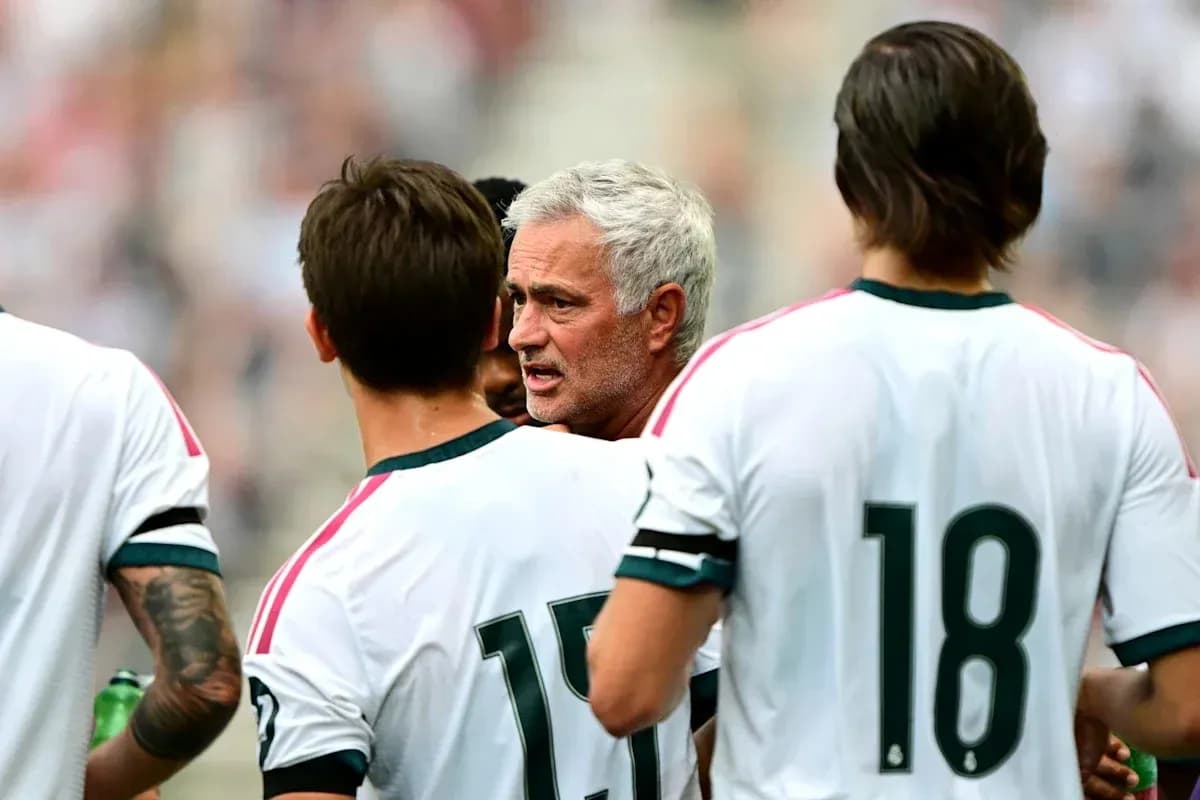
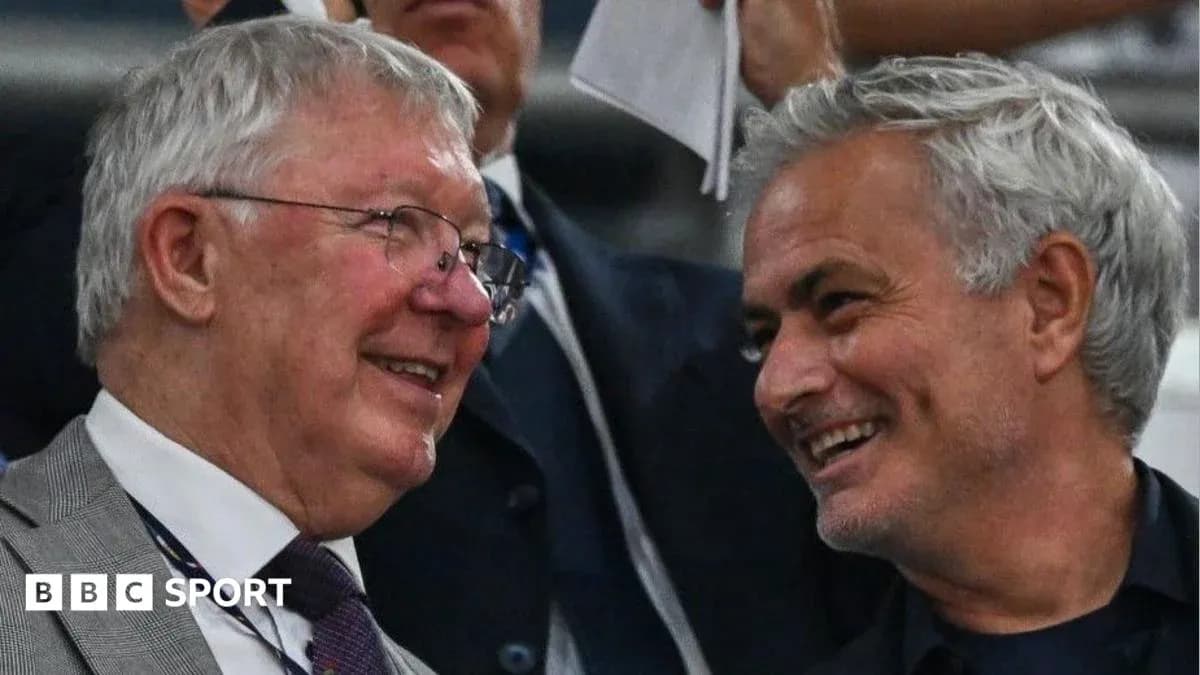
Ferguson recalls it in the documentary with typical precision. “One night, he phoned me and he was crying and he says: ‘Alex, I can't take it. I've given my word to Chelsea and I'm not going to break my word’.”
Mourinho had promised Roman Abramovich he would return to Stamford Bridge. He had a family home in London, roots in the city, and a sense of obligation after his first dismissal by Chelsea in 2007. That is the official line. Some at United still raise an eyebrow at the “family reasons”, but the outcome is not in dispute.
For a brief spell, Manchester United believed Jose Mourinho would walk out at Old Trafford as Ferguson’s immediate successor. Instead, he went back to Chelsea. United were left scrambling.
A club at a crossroads
The timing could hardly have been more delicate. Ferguson was not the only giant leaving. Chief executive David Gill, widely respected inside and outside the club, also departed that summer. United were losing not just their greatest manager, but also their most experienced operator in the boardroom.
Those at the top understood the scale of the shift. Ferguson had been a one-man institution, controlling almost every aspect of the football operation. The next phase would require a different structure, more modern, more distributed. They needed someone who could manage that transition while still keeping United competitive.
Mourinho, in their eyes, was built for that storm. Broad shoulders. Thick skin. Used to pressure, used to power. He would not flinch at the idea of following Ferguson. He would relish it.
When Mourinho chose Chelsea and Pep Guardiola committed to Bayern Munich, United’s options narrowed. They turned to David Moyes.
Moyes shared some of Ferguson’s traits: work ethic, discipline, a long spell of overachievement at Everton. But he had never operated at the very top of the European game. United unveiled him as “The Chosen One”. The banner hung at Old Trafford. The reality did not match the slogan.
The Mourinho United never saw
Three years later, Mourinho finally arrived. In 2016, he replaced Louis van Gaal, who had been sacked 48 hours after lifting the FA Cup against Crystal Palace. By then, though, both the manager and the club had changed.
Of the 18 players who had started 10 or more league games in Ferguson’s 2012-13 title-winning side, only six did so in Mourinho’s first season: David de Gea, Phil Jones, Wayne Rooney, Chris Smalling, Michael Carrick and Antonio Valencia. The dressing room he inherited bore little resemblance to the one Ferguson left behind.
Mourinho himself was different too. He had returned to Chelsea and won the Premier League again, but that second spell ended in acrimony in December 2015, with the champions languishing in 16th place, a point above the relegation zone. The edge that once felt like a weapon had begun to cut inwards.
His time at Old Trafford still divides opinion. On paper, his record stands up. He won the Europa League and the EFL Cup in his first season, and twice qualified for the Champions League. He has even called finishing second to Manchester City in 2017-18 — 19 points behind Pep Guardiola’s side — one of the “best achievements” of his career. United’s 81 points that year remain their highest total in the league since Ferguson retired.
The story behind the numbers is messier. Mourinho clashed with key players, most notably record signing Paul Pogba. He publicly criticised the club’s hierarchy for not backing him in the market, especially over Anthony Martial, whom he wanted to sell. The atmosphere darkened. By the time he left, the word “chaos” was not far from the lips of those describing the state of the club.
What if he had come in 2013?
Inside United, a belief has taken hold: if Mourinho had walked straight into Ferguson’s office in 2013, the outcome would have been very different.
For a start, his personality. Where Moyes appeared weighed down by the scale of the job, Mourinho would have attacked it. He would have arrived convinced he could improve on Ferguson’s final act, not just preserve it.
That difference would have been felt in the transfer market. Under Moyes, hesitation proved costly. Thiago Alcantara’s move from Barcelona had been agreed, but United did not close the deal. Those who were there insist Mourinho would not have blinked. Thiago would have been signed.
The club’s handling of Marouane Fellaini remains a cautionary tale. United paid £27.5m for the midfielder on deadline day, having allowed a lower release clause to expire. With Mourinho in charge, insiders are adamant: Fellaini simply would not have been bought.
Mourinho had even provided United with his assessment of potential recruits in 2013, including Italy midfielder Daniele de Rossi. There was a plan, a clear idea of how he wanted to reshape the squad around the experienced core Ferguson left behind.
Crucially, many at the club feel he would have squeezed more out of that final title-winning group. It is widely accepted that Ferguson extracted the maximum from that 2012-13 side; they overperformed to claim the league. The collapse to seventh the following season was dramatic and baffling, even to the players involved.
The sense lingers that Mourinho’s presence, his relentless demands, his sheer force of personality, would have pushed them harder and prolonged their competitiveness at the top.
A moment they never escaped
In the documentary, Ferguson revisits that night with Mourinho in stark, simple detail. The tears. The apology. The refusal to break a promise to Chelsea.
For him, it was a personal disappointment. For Manchester United, it was something bigger. A hinge point in their modern history.
They lost the manager they believed could carry them from one era to the next. They chose a different path, one that led through Moyes, Van Gaal and then the later, more volatile version of Mourinho himself.
More than a decade on from that phone call, United are still trying to find the stability and certainty that once defined them. And the question hangs in the air: if Mourinho had walked through the door in 2013, would they ever have lost it in the first place?