Philadelphia Union II vs New England II: A Playoff Dress Rehearsal
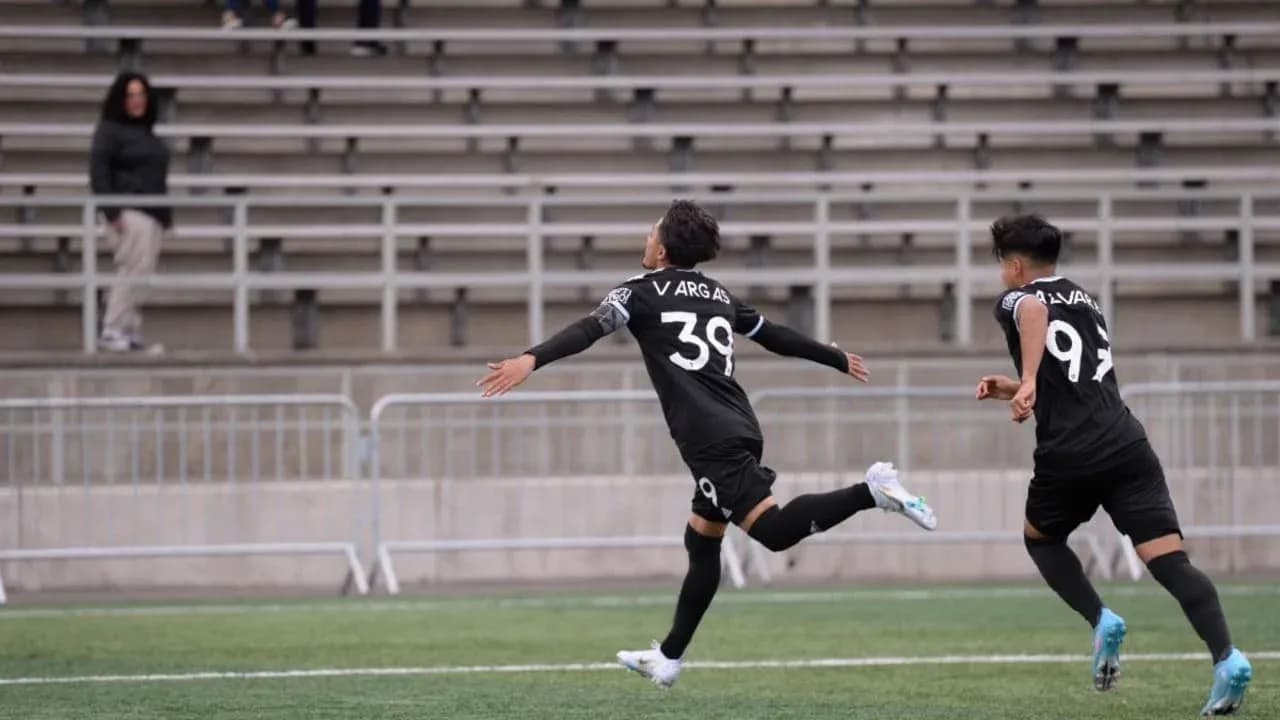
On a cool night at Subaru Park, Philadelphia Union II and New England II met in a Group Stage clash that felt every bit like a playoff dress rehearsal. The table said as much: New England II arrived as one of the conference’s early pacesetters, ranked 3rd in one version of the standings snapshot with 17 points and a goal difference of 3, while Philadelphia Union II hovered just behind the elite, 4th with 14 points and a goal difference of 2. Over 90 minutes, the margins between them compressed into a single moment, a 0–1 away win that underlined New England II’s ruthless edge and exposed the fine lines in Union II’s developmental project.
Heading into this game, both sides carried clear statistical identities. Philadelphia Union II were volatile but dangerous: 5 wins and 4 defeats in 9 league matches, no draws, and an attacking profile built on risk. Overall they averaged 1.3 goals for and 1.0 against per match, with their home numbers mirroring that balance at 1.3 scored and 1.0 conceded. The goal difference of 2 reflected a side that could tilt either way depending on execution in both boxes.
New England II, by contrast, were more efficient. Across 9 matches they had 6 wins and 3 losses, with 11 goals for and 8 against overall, again a goal difference of 3. At home they were dominant, winning 5 of 6 and averaging 1.8 goals for per match. Away, however, they were more cautious: just 1 win and 2 defeats in 3, scoring 0.7 goals on their travels while still conceding 1.0. This 0–1 victory at Subaru Park fit that away template: controlled, narrow, and opportunistic.
The lineups told their own developmental story. Ryan Richter’s Philadelphia Union II side leaned heavily into academy pathways and positional flexibility. With no formation explicitly recorded, the starting XI of P. Holbrook, G. Sequera, R. Uzcategui, A. Craig, J. Griffin, M. De Paula, K. LeBlanc, M. Berthe, W. Ferreira, S. Olivas, and M. Jakupovic suggested a youthful spine, likely structured around a back line anchored by A. Craig and a midfield tasked with both progression and protection.
Holbrook’s presence in goal framed Union II’s approach from deep: a side that, statistically, had managed 2 clean sheets at home in total but also failed to score once at Subaru Park. That tension—between expressive buildup and occasional bluntness in the final third—would define their night.
New England II, meanwhile, arrived with a starting group that reflected their sharper competitive edge. J. Gunn, G. Dahlin, J. Shannon, C. Mbai Assem, G. Emerhi, J. Mussenden, A. Oyirwoth, J. Smith, J. Siqueira, C. Oliveira, and J. Da formed a compact, athletic unit. Without a listed formation, the structure still hinted at a disciplined defensive block, built around figures like C. Mbai Assem and J. Shannon, with J. Da and C. Oliveira providing the creative and finishing threat.
Tactically, the “Hunter vs Shield” duel played out in the space between Philadelphia’s home scoring rhythm and New England’s away resilience. Union II, averaging 1.3 home goals, needed to break down an away defence that conceded 1.0 per match and had already collected 1 clean sheet on their travels. New England II, conversely, knew their away attack was lighter—0.7 goals on their travels overall—so the plan was never to chase a shootout. Instead, they leaned into structure, discipline, and the knowledge that Philadelphia’s all-or-nothing tendencies could leave gaps.
In the “Engine Room,” the contrast in season-long temperament was stark. Philadelphia’s card profile showed a side that lives on the edge. Their yellow cards were relatively evenly spread, but with notable spikes: 20.00% of their bookings came between 16–30 minutes, another 16.67% between 31–45, and 16.67% from 61–75. Red cards told an even sharper story—50.00% of their dismissals arriving in the 31–45 window and 50.00% between 61–75. This is a team that often plays with emotional intensity, sometimes tipping into self-sabotage in the heart of each half.
New England II’s disciplinary map, by comparison, was that of a side that tightens the screws as the match wears on. They recorded 25.00% of their yellow cards between 46–60 minutes and another 25.00% from 76–90, with 20.83% in the 61–75 window. No red cards in any phase. That late-game surge in cautions speaks to a team willing to foul, disrupt, and suffer in order to protect a lead—precisely the pattern that a 0–1 away win at Subaru Park suggests.
In narrative terms, the match became a test of who would impose their timing on the contest. Philadelphia Union II’s attacking ambition, supported by players like W. Ferreira and M. Jakupovic, tried to stretch New England’s lines. But without the cutting edge to turn pressure into goals, their statistical profile—2 total clean sheets, 2 total matches failing to score—reasserted itself. New England II, led from the back by Gunn and shielded by a disciplined defensive unit, leaned into their away identity: low-scoring, compact, and opportunistic.
Following this result, the statistical prognosis on both squads sharpens. For Philadelphia Union II, the underlying numbers still support their playoff push: 5 wins in 9, 1.3 goals for and 1.0 against overall, and a goal difference of 3 in the broader statistical feed that includes 12 goals scored and 9 conceded. But the margin for error is thin. Their card profile and lack of draws show a side that either bends matches to their will or gets punished for over-committing.
New England II, meanwhile, confirm their status as a contender built on defensive solidity and selective aggression. Overall they average 1.4 goals for and 1.0 against, with 3 clean sheets and a perfect penalty record—2 penalties taken, 2 scored, 100.00% conversion. Even without explicit xG data, the pattern is clear: they concede few chances, manage game states with maturity, and extract maximum value from limited attacking volume, especially away.
In a league defined by developmental chaos, this 0–1 at Subaru Park felt like a statement of method. Philadelphia Union II offered the promise and volatility of youth; New England II brought the structure and efficiency of a side already playing knockout football in their heads. Over a long season, those small statistical edges—the late-game discipline, the clean sheets, the flawless penalties—are precisely what tilt tight fixtures, and, in the end, campaigns.